Home›Blog›Acne›Acne Scars & Marks›Acne Scar Treatment in Singapore: Which Treatment for Which Scar
Written by Dr Gerard Ee. Last medically reviewed and updated: 22 September 2026
Acne scar treatment in Singapore is chosen by scar type, not by machine. Ice pick, boxcar and rolling scars each respond to different treatments, from subcision and TCA CROSS to RF microneedling and fractional CO2, and most faces need a combination over about six months. This guide sets out which treatment suits which scar, what each costs, and how the plan changes for darker skin.
Acne scar treatment in Singapore at a glance
- Treatment is chosen by scar type: subcision for rolling scars, TCA CROSS for ice pick scars, RF microneedling and fractional CO2 for boxcar scars and texture.
- From $390 for a single fractional CO2 session, or $4,000 for a six-month plan, before GST.
- Most faces need several sessions four to six weeks apart, with most of the visible change over three to six months.
- Treated by Dr Gerard Ee, MBBS (UK), MRCS (Edinburgh), PGDip Practical Dermatology (Cardiff), at The Clifford Clinic, Raffles Place.
Dr Gerard Ee is an aesthetic doctor and the founder and medical director of The Clifford Clinic, which he established 14 years ago. He has treated acne scars for 16 years and more than 2,000 acne-scar patients and is one of Singapore’s longest-standing users of the Infini RF microneedling system (16 years). He holds a Diploma in Dermatology (Cardiff) and is a Member of the Royal College of Surgeons (MRCS). More on Dr Gerard Ee.
Acne scars are among the most common skin concerns treated in Singapore, and among the most misunderstood. Many patients arrive after months of creams, serums and at-home devices with little to show for it. The explanation is consistent: a true acne scar is a structural change deep within the skin, and topical products cannot reach that depth. This guide explains what acne scars are, which treatments genuinely work, how they are combined, and the realistic results and costs in Singapore. The aim is to make the reasoning behind each treatment clear enough to support an informed decision. Dr Gerard Ee has treated more than two thousand patients for acne scars over sixteen years, including public figures such as actor Mark Lee, whose ongoing skin journey was featured by CNA.
What is an acne scar or pimple scar, and why does it not fade on its own?
Pimple scar is the everyday term for the same thing. When a pimple heals and leaves an indentation rather than a flat mark, that indentation is an acne scar, and it behaves the same way whichever word is used.
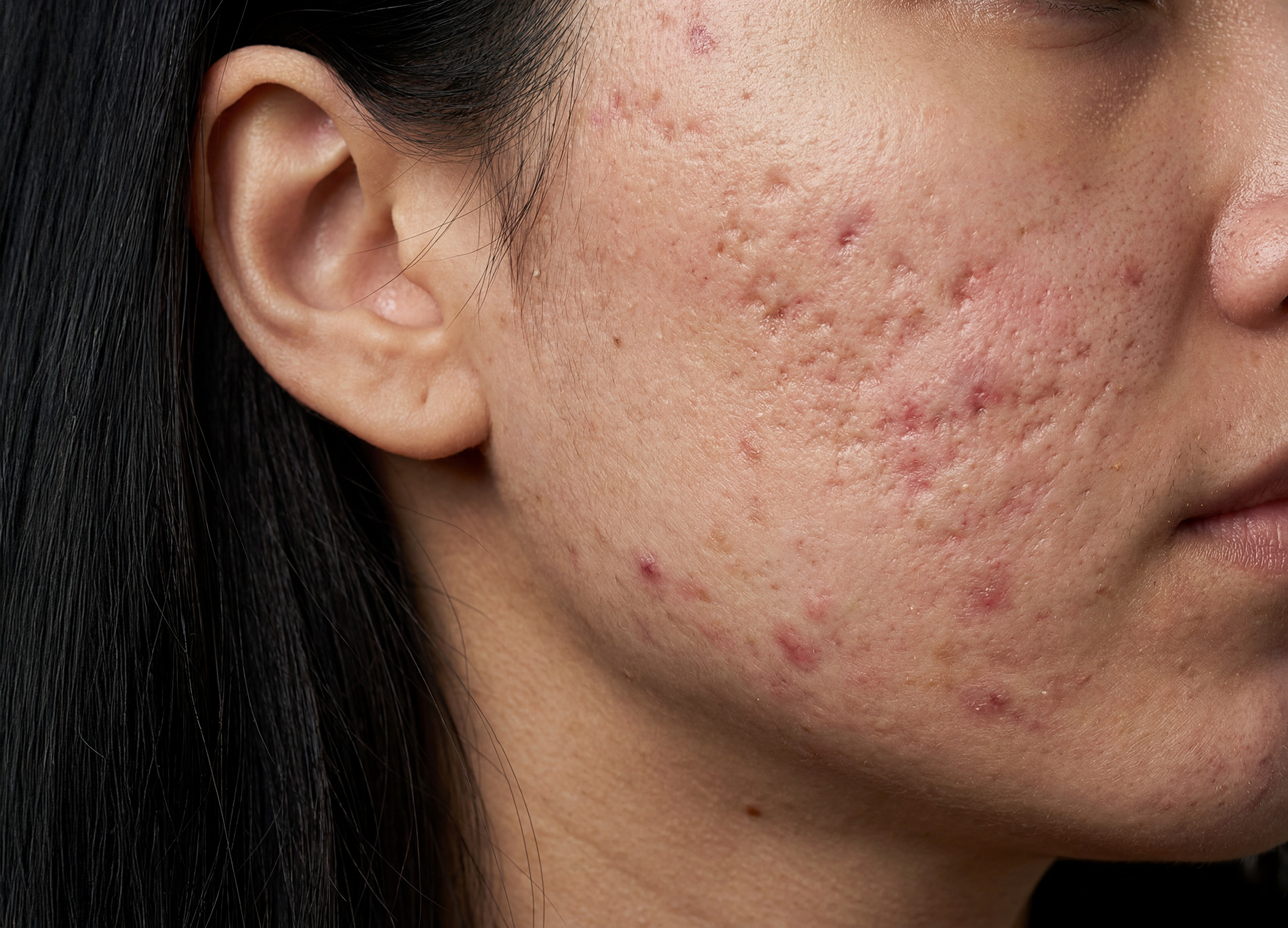
Acne scarring begins with inflammation. When a pore becomes clogged and inflamed, particularly in cystic or nodular acne that reaches deep into the skin, the immune response damages the surrounding tissue and the collagen scaffold that gives skin its structure. As the wound heals, the body remodels collagen. When it produces too little, the skin sinks inward into a depressed, or atrophic, scar. When it produces too much, a raised hypertrophic or keloid scar forms. In both cases, the change sits well below the surface, which is precisely why topical products that act on the upper layers cannot reverse it.
Raised scars that grow beyond the original wound are keloids, a different problem from the pitted scars above. See my guide to keloid scars and the options for keloid treatment in Singapore.
The relevant question is therefore not which cream to use, but how to rebuild collagen at the depth where the scar sits. Collagen remodelling is a biological process that continues for several months after each session, so a course judged after two sessions is assessed before most of its result has formed.
Acne scars vs acne marks (PIH and PIE): which do you have?
The first step before any treatment is to confirm that the lesion is a scar. Many marks that patients describe as scars are flat colour changes. Brown marks are post-inflammatory hyperpigmentation (PIH), caused by excess melanin left after inflammation, and red or pink marks are post-inflammatory erythema (PIE), caused by dilated small blood vessels. Both leave the skin texture normal and usually fade over weeks to months. Red marks respond to V Beam and brown marks to Q-Switch laser. A scar, by contrast, is a change in texture, either a depression or a raised area, and it does not resolve on its own. A simple home check is to stretch the skin gently or to shine a light across it from the side. A smooth surface indicates a mark, whereas a depression that casts a shadow and persists when the skin is stretched indicates a scar. The full test is on acne marks vs acne scars, the distinction from pigmentation is covered on acne scars or pigmentation, and the causes of scarring are explained on what causes acne scars.
Types of acne scars: ice pick, boxcar and rolling scars
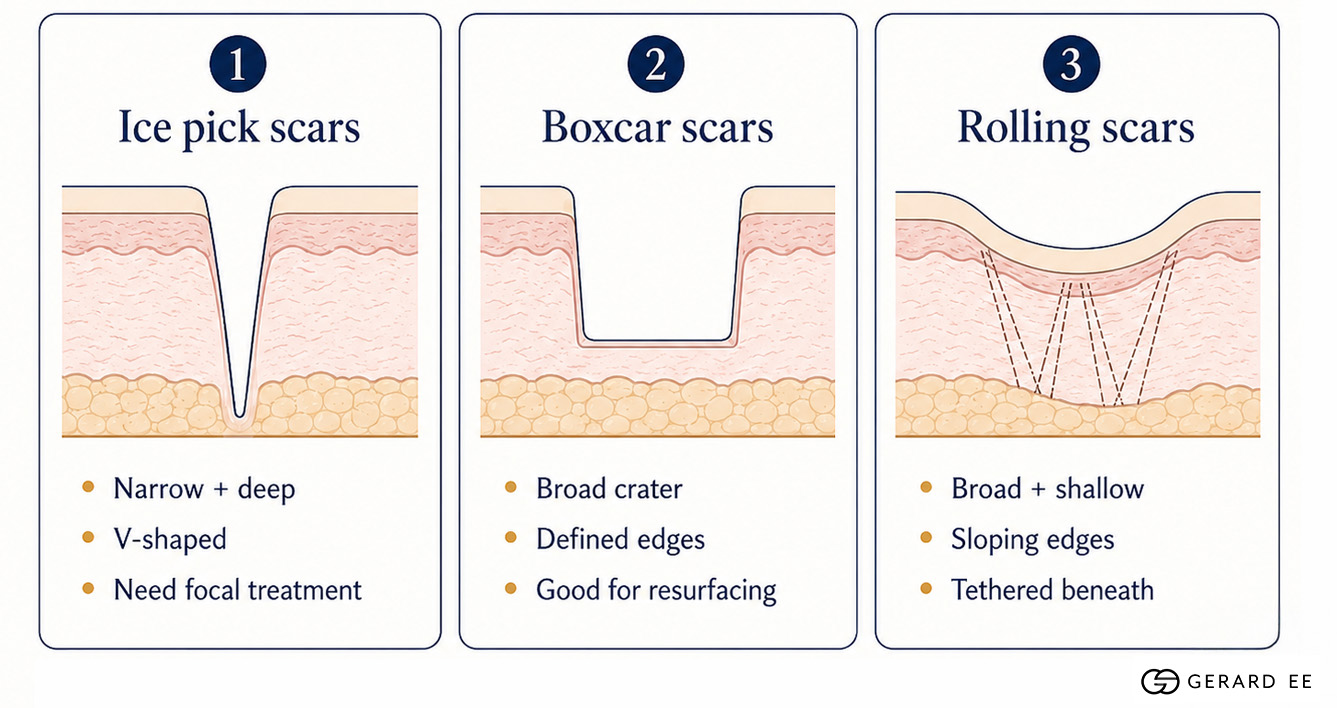
Three shapes account for almost every depressed acne scar, and the shape determines the treatment more than the severity does. Ice pick scars are narrow and deep, like a puncture, and usually extend beyond the depth laser energy can reach. Boxcar scars have steep walls and a flat floor, and they usually respond well to resurfacing. Rolling scars have no distinct edge and are tethered to deeper tissue by fibrous bands, so their appearance shifts with facial movement. Most patients present with a mixture of all three, and a plan that treats only one shape can disappoint even when each session is performed well. Raised hypertrophic and keloid scars result from an excess of collagen rather than a loss, and the treatments on this page do not improve them. The features that distinguish the three types, their response to each treatment and the trial evidence are set out on types of acne scars in Singapore. The way I map each scar before choosing a device is described on the acne scar mapping page.
Which acne scar treatment works for which scar type?
Matching the mechanism of the treatment to the mechanism of the scar is the whole method. The table summarises what the sections below explain.
| Scar type | What it is | First-line treatment | Often combined with |
|---|---|---|---|
| Rolling scars | Broad, shallow, tethered from beneath | Subcision | RF microneedling and a biostimulator placed by cannula |
| Boxcar scars | Sharp-edged depressions with a flat floor | RF microneedling (Infini or Secret RF) or fractional CO2 | Biostimulators |
| Ice pick scars | Narrow, deep pits | TCA CROSS, or Juvelook placed into the scar | Fractional CO2 for the surrounding texture |
| Surface texture and pores | Uneven surface without deep pits | Fractional CO2 or Pico MLA | Rejuran to support healing |
| Red marks (PIE) and brown marks (PIH) | Flat colour change, not a scar | Vbeam (red) or Q-switch (brown) | Sun protection, with treatment once acne is controlled |
| Raised keloid or hypertrophic scars | Excess collagen, a different problem | Not treated by resurfacing or microneedling | See the keloid guide |
Why one machine is never the answer
Since a typical facial scar comprises various types at different depths, no single device can effectively address all of them. For instance, a laser designed to smooth a boxcar scar will not impact a tether beneath a rolling scar, and a needle used to release a tether does not reconstruct the base of an ice pick scar.
This underscores the necessity of layered treatment plans and highlights the importance of caution when selecting a clinic that employs the same machine for all scar types. Aligning the mechanism of treatment—such as release for tethers, collagen stimulation for volume, resurfacing for superficial corrections, and reconstruction for deep pits—with the specific mechanism of the scar is essential in achieving successful outcomes and avoiding disappointment.
The step most people skip: treating the acne first
The initial concern in any patient with scars is to confirm whether the acne is truly under control, as numerous individuals experience persistent breakouts despite believing their acne has resolved. This issue holds greater significance than most might anticipate. Treating scars on skin prone to acne can exacerbate the condition, and each new breakout presents a risk of forming a new scar. From my clinical perspective, focusing on improving skin texture while the acne remains active is analogous to constructing on unstable ground.
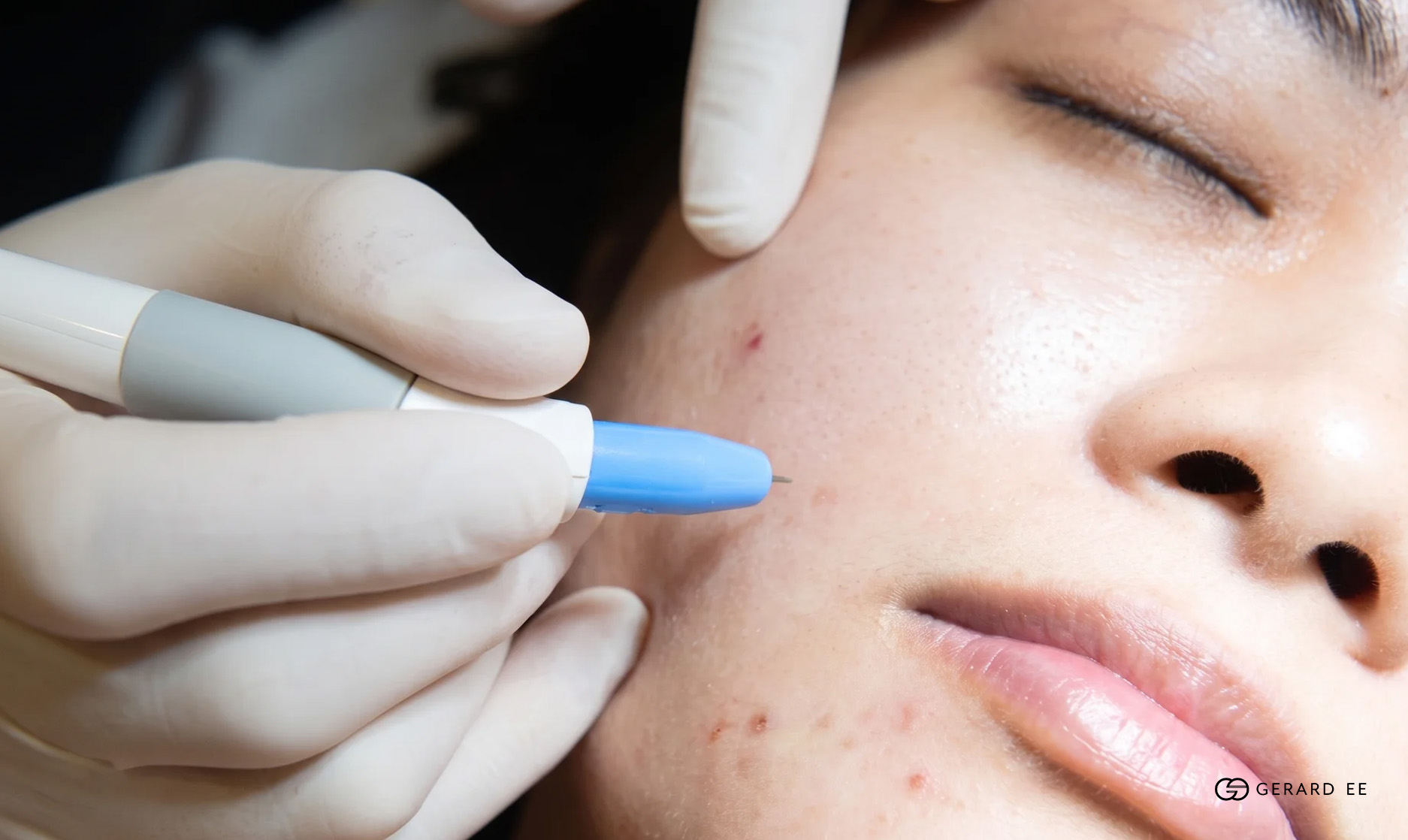
Ongoing acne affects the treatment sequence. I assess whether the breakouts are controlled and what is still creating inflammation or new scars. Secret RF may be considered within a wider plan for selected patients, sometimes with AGNES RF, but neither the device name nor needle insulation makes treatment across every inflamed lesion appropriate. A review of acne control may need to come before deeper scar work. If previous AGNES treatment has disappointed, the AGNES treatment review guide discusses possible reasons to reassess.
RF microneedling for acne scars: Infini and Secret RF
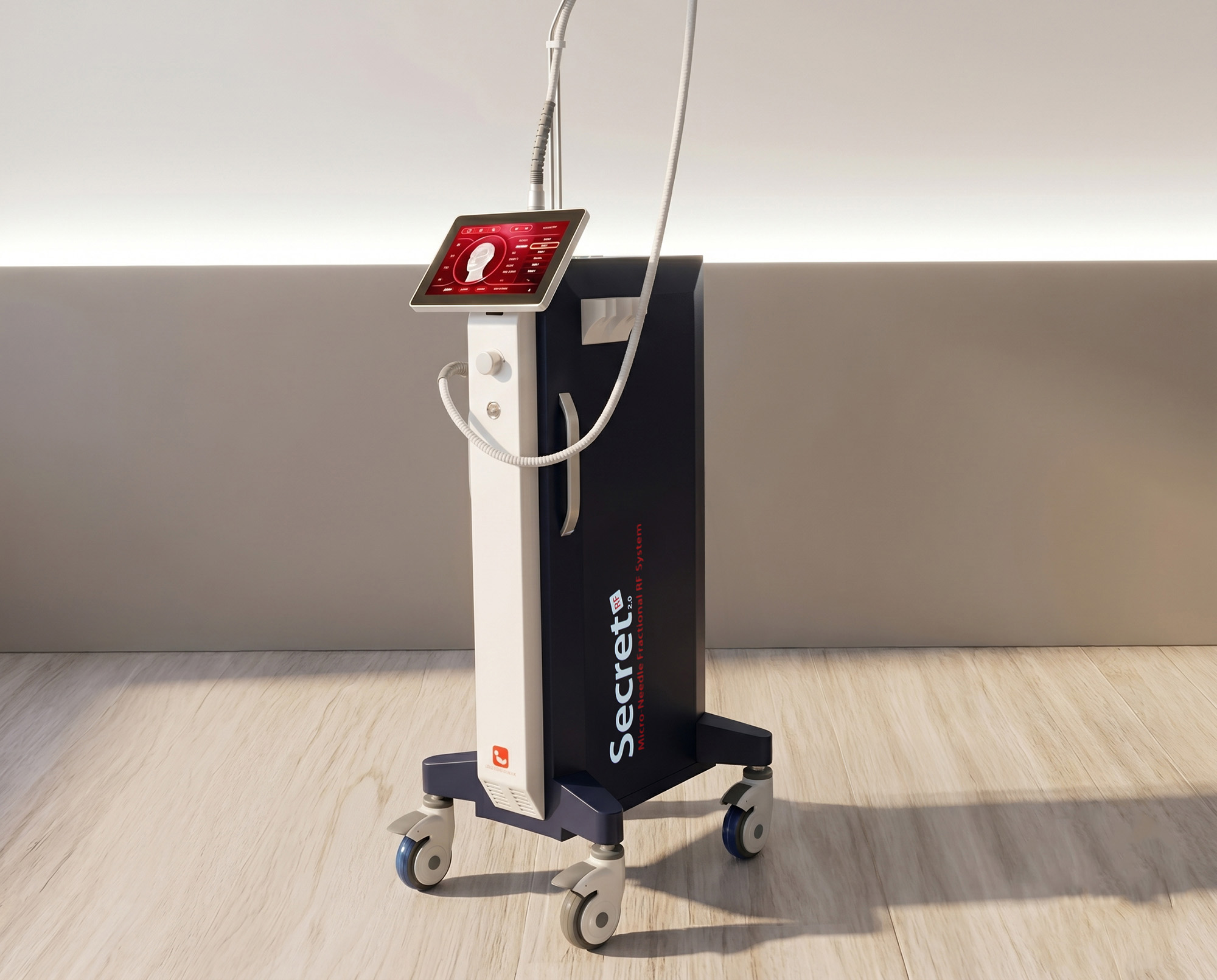
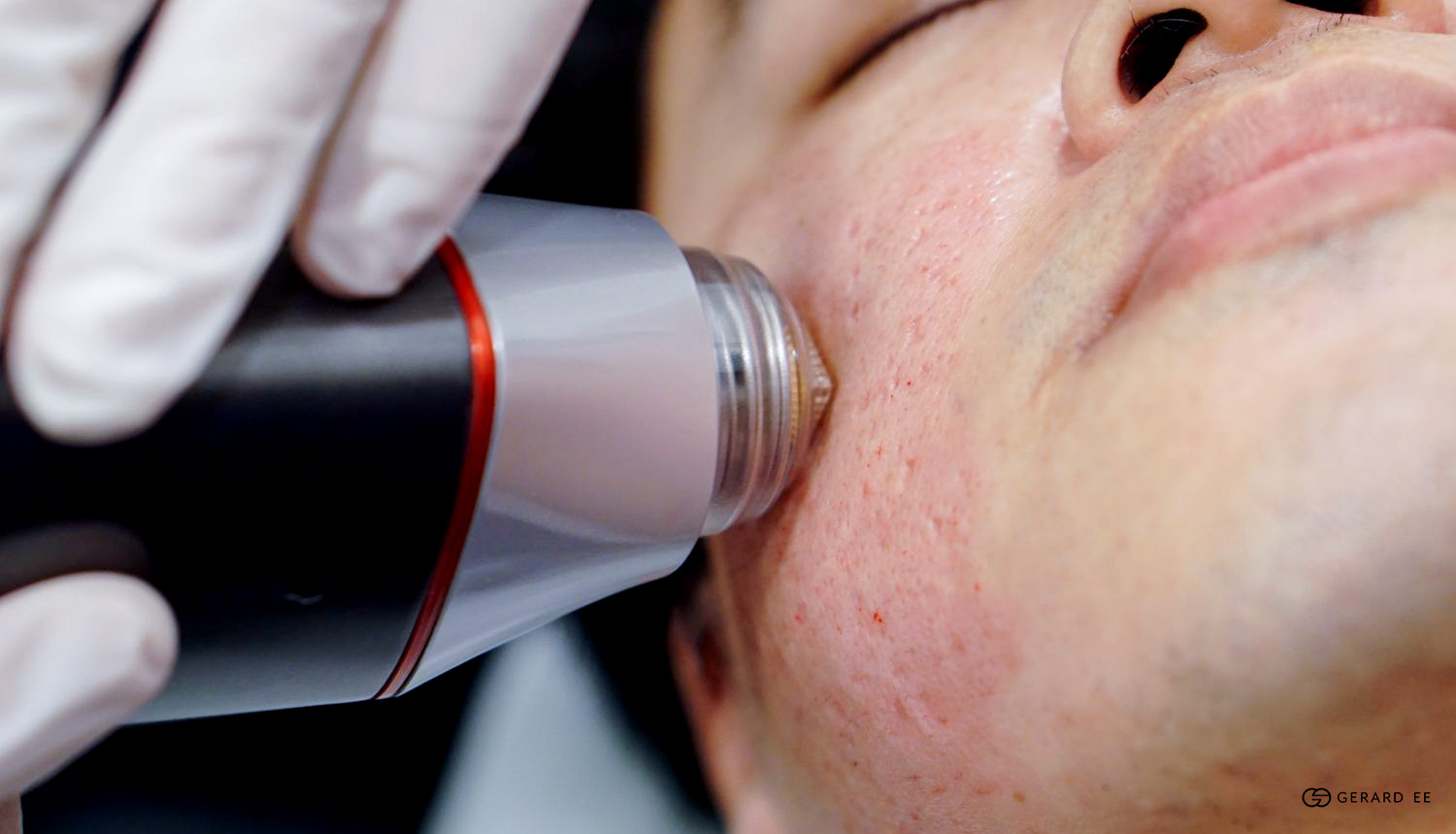
RF microneedling combines fine-needle penetration with radiofrequency heating to stimulate gradual remodelling. It may improve selected depressed acne scars, but tethering and narrow deep pits can require other methods. The RF microneedling guide explains suitability, recovery, risks and the appointment process.
I provide Infini and Secret RF. For deeper, settled scars I favour Infini. Its insulated needles deliver up to around 50 W deep in the dermis while sparing the surface, which also makes it the safer choice in skin that pigments readily. Secret RF, cleared to 25 W, is the starting point where acne is still active. I use the non-insulated tip for acne-prone skin, often with AGNES the same day. Maximum power sets the ceiling on how deep a device can remodel a scar, which is why the 16 W Sylfirm X is not a device for deep acne scars.
For the choice between the two RF systems, read Infini vs Secret RF for acne scars. For study findings and their limitations, use the separate microneedling evidence review.
Subcision for rolling acne scars
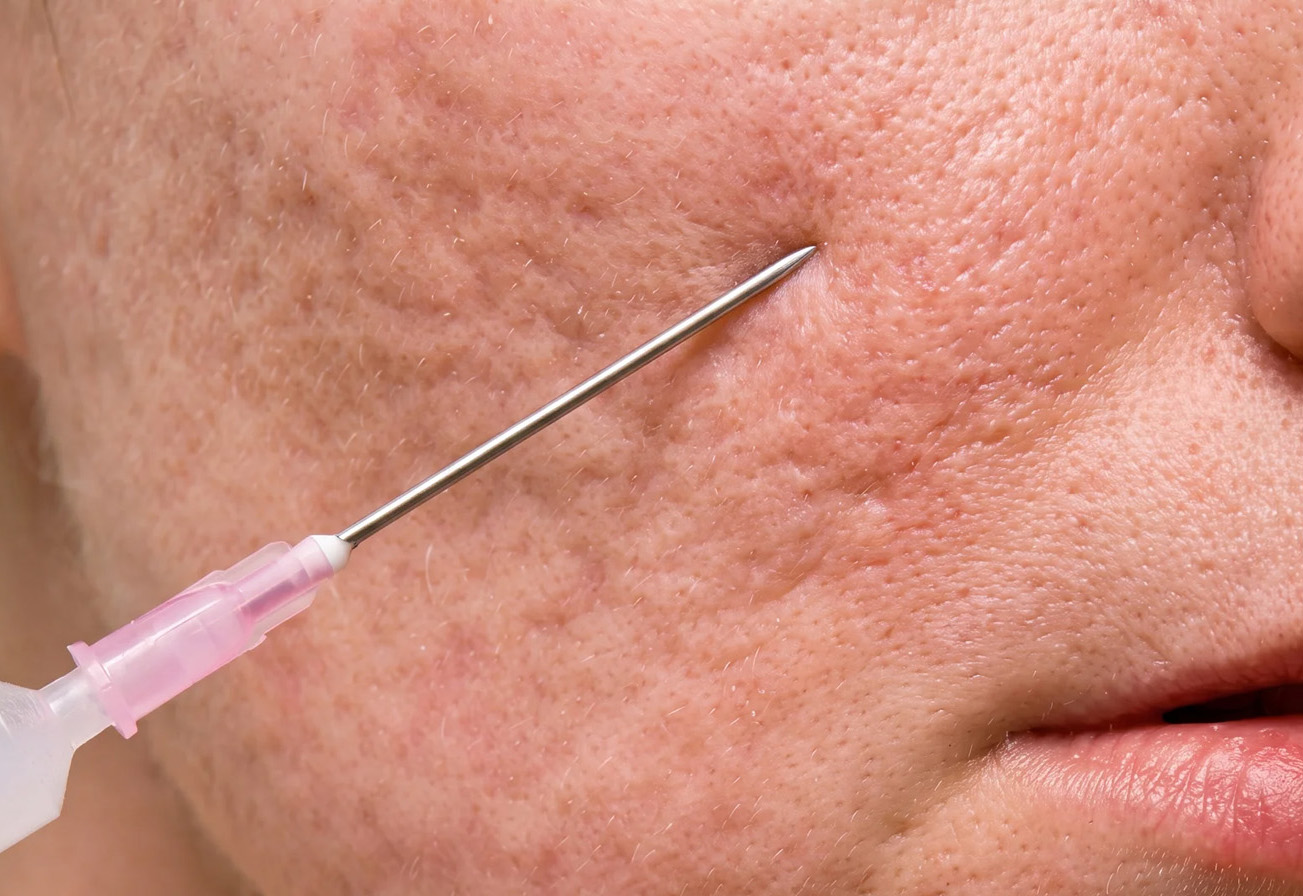
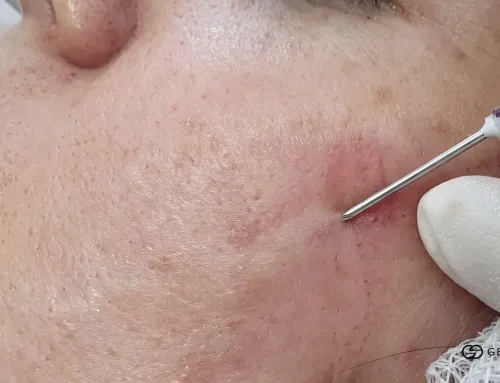
For rolling scars, subcision is often the single most effective step, and it is one that resurfacing-only plans miss entirely. Using a fine needle or a blunt cannula, the practitioner passes beneath the tethered scar and divides the fibrous bands anchoring it down. Once released, the skin lifts and the controlled injury stimulates fresh collagen to fill the space. Subcision is rarely used in isolation, since it pairs naturally with RF and with biostimulators. In this practice, hyaluronic acid fillers are generally avoided for scars in favour of biostimulators that build the skin’s own collagen. There is more detail in the guide to subcision and biostimulators for rolling scars and the subcision for acne scars page.
That does not rule out fillers as a class. PCL, a polycaprolactone microsphere suspended in a carboxymethylcellulose gel carrier, is not a hyaluronic acid filler, and it is used for atrophic acne scars. It works in two ways at once: the gel evens out the depression immediately, while the microspheres stimulate collagen in the dermis as they resorb, so the correction is held after the carrier itself has gone. The formulation I use for scars is the one that lasts around two years. PCL is not used for raised scars, where adding volume is the wrong direction.
Subcision done on the wrong scar, or without the rest of the plan, can disappoint. Why subcision can make acne scars look worse explains what to check before a second attempt.
Laser treatment for acne scars: Edge fractional CO2, Fraxel and Pico MLA
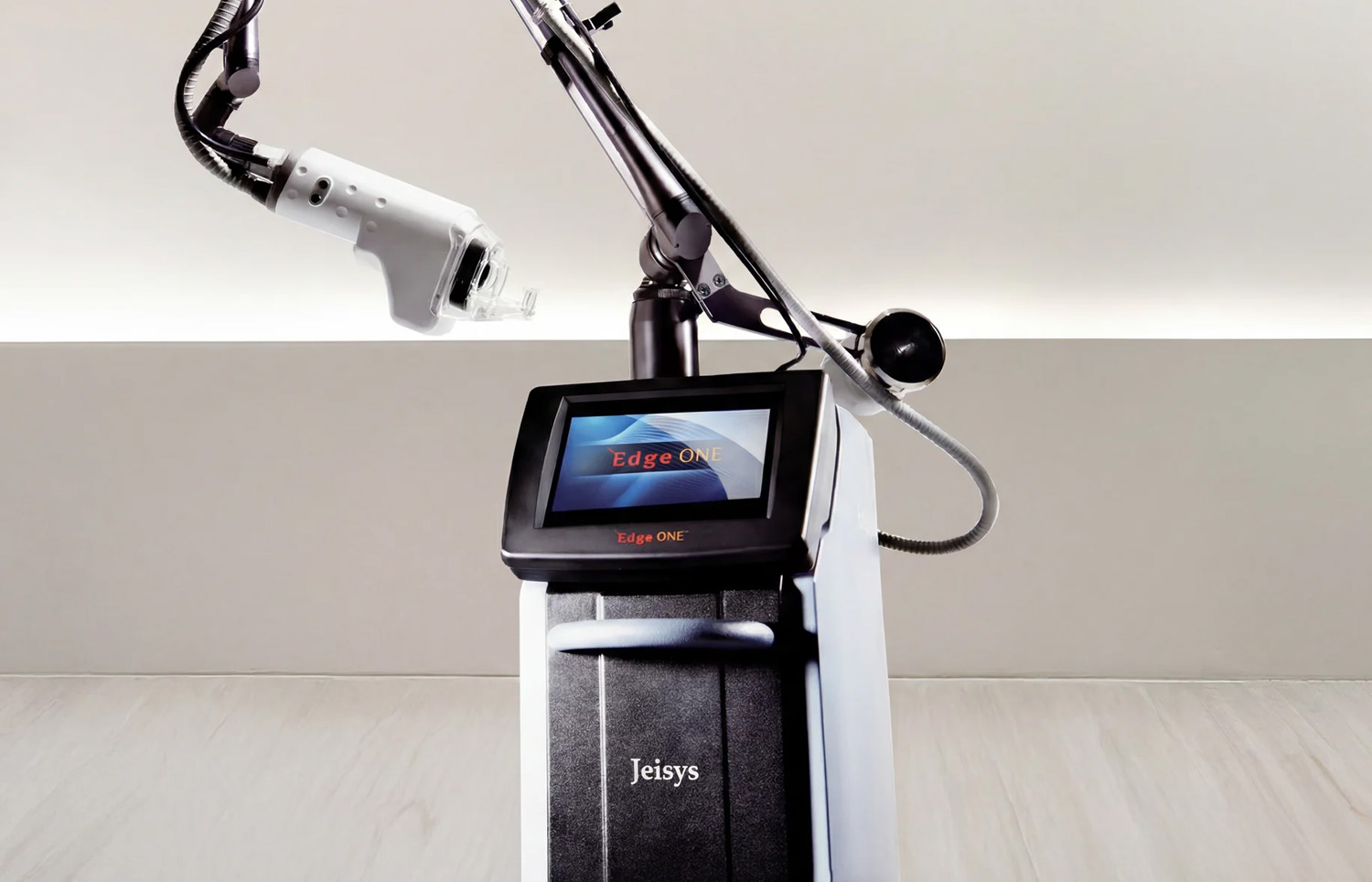
Fractional CO2 is the strongest resurfacing laser for boxcar scars and surface texture. It creates microscopic columns of controlled injury, which the skin repairs by producing new collagen. Results build over a course of sessions rather than a single treatment. In darker skin types, lower energy settings are used to reduce the risk of PIH. The supporting evidence is summarised on CO2 laser for acne scars.
Erbium glass at 1550 nm is the other resurfacing wavelength used for acne scars, and it is the one Fraxel uses. It is non-ablative, so it heats columns of dermis without removing the surface. Recovery is therefore measured in a few days of redness and swelling rather than a week of raw skin, and the risk of post-inflammatory darkening is lower than with fractional CO2. That is why it is the resurfacing laser I reach for when the scars sit in skin that pigments easily, or when a patient cannot take the downtime an ablative course requires. The trade-off is that more sessions are needed to reach the same depth of correction, so a Fraxel plan is longer than a CO2 plan for the same scar.
Pico MLA refines enlarged pores, fine surface irregularity and pigment with little downtime. It is a picosecond laser whose microlens array splits the beam into many focused points that stimulate collagen in the upper dermis. Because it acts at and just below the surface, it does not treat tethered rolling scars or deep ice pick scars, and it serves as a complement within a plan rather than a standalone scar treatment.
The three lasers are compared scar by scar in laser treatment for acne scars: which laser for which scar. The device pages are Edge fractional CO2 laser and Fraxel laser, and Fraxel vs CO2 settles the choice for pores and fine lines.
TCA CROSS for ice pick scars
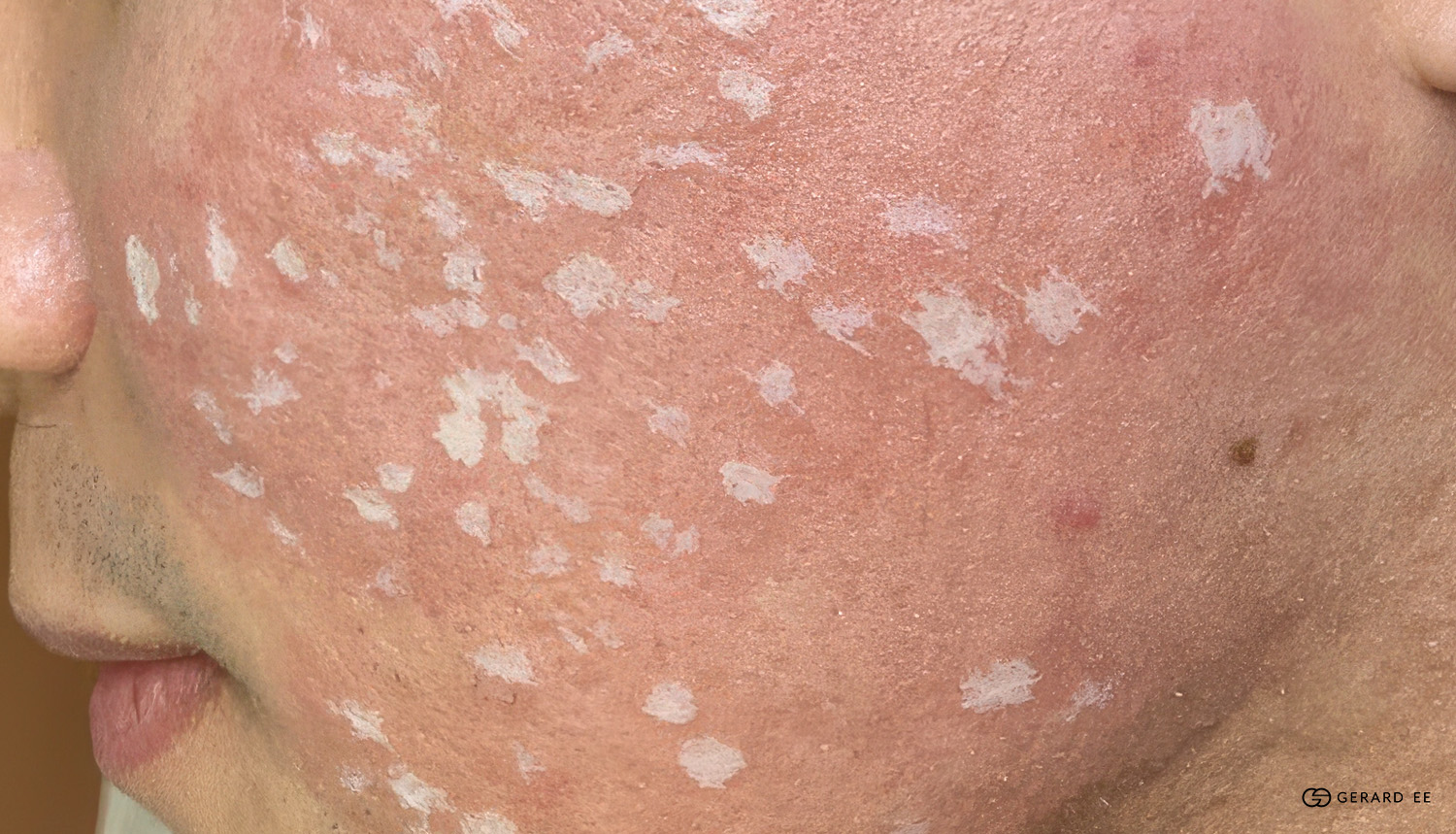
Deep ice pick scars follow a different logic. Rather than resurfacing around them, TCA CROSS applies a high-strength acid precisely into the scar to stimulate collagen and rebuild the narrow pit from its base. Juvelook placed into the scar does the same and is, in Dr Gerard Ee’s clinical experience, a safer and more effective alternative to TCA CROSS for boxcar and ice pick scars. These targeted techniques are what improve ice pick scars that lasers and microneedling leave largely untouched, and they illustrate why scar type has to drive treatment choice.
The procedure, its downtime and who suits it are on the TCA CROSS for acne scars page.
Biostimulators and Rejuran for acne scars
Where volume and collagen support are needed, biostimulators are best chosen by scar type rather than using one product for everything. PCL suits significant volume loss, Juvelook suits ice pick and boxcar scars, PLLA or Juvelook Volume suit scars that are mostly rolling with loose skin, and ECM booster suits very mild scarring. Rejuran is a useful addition across the board: it improves healing, reduces downtime, and potentiates results, and it can be performed alongside microneedle RF. One practical detail is worth noting: PLLA is best placed with a cannula, and passing that cannula beneath a scar produces a subcision effect at the same time as stimulating collagen, so the delivery does double duty.
How a six-month acne scar treatment plan is sequenced
In practice, modalities are rotated over roughly six months rather than one being repeated. A representative plan might combine subcision for tethered scars, a rotation of Infini and Secret RF, a couple of fractional CO2 sessions, Pico MLA for pores and pigment, and Rejuran to support healing, with a biostimulator added where the scar type calls for it. A typical sequence begins with subcision to release the tethered scars, and Secret RF at the next visit once the release has settled. The two can be done on the same day where the scarring suits it. Fractional CO2 follows about a month later. Sessions are spaced four to six weeks apart, because that interval lets each session’s collagen mature before the next stimulus. Crowding treatments together simply under-doses each one.
One modality is used per session and the modality is rotated at the next. Infini, fractional CO2, Secret RF and Pico MLA reach different depths and different layers of the skin, and alternating between them at four to six week intervals stimulates collagen more broadly than repeating one device. Juvelook, or an ECM skin booster such as Re20, CellREDM or Essalia, can be added alongside the rotation to boost collagen growth further.
The principle behind layering is set out in combination therapy for atrophic scars.
How Korean clinics treat acne scars
The difference is not a machine, it is the schedule. The approach I use, and the one Korean clinics are known for, is a layered course over months rather than a small number of aggressive sessions: subcision to release what is tethered, RF microneedling to remodel, a laser for surface texture, and a biostimulator to rebuild what was lost, sequenced so the skin is repairing between visits rather than recovering from the last one. It is slower to start, and it is why the meaningful figure is the price of a programme rather than the price of a session.
What that looks like in practice is the part rarely written down. A Korean course for depressed scars runs to more visits at lower energy than is usual here, with microneedle fractional radiofrequency doing the structural work every four to six weeks and the skin left to repair in between. The alternative, a small number of high-energy resurfacing sessions, reaches the same depth faster on paper and carries a higher risk of post-inflammatory hyperpigmentation in Fitzpatrick III to V skin. In Singapore that risk is not theoretical, which is why I run the slower version here as well.
The second difference is what goes into the skin between the energy sessions. Korean practice leans on injectables that improve skin quality rather than on further resurfacing, so that the collagen built at one visit is supported before the next rather than left to fend for itself. That is the step most often missing from a plan that has disappointed, where the same laser was repeated and nothing was done to support the healing between rounds.
The third is restraint. Each visit has one job, and the course is sequenced across months rather than compressed into a few heavy appointments. Where someone comes to me after a course that did a great deal at once and achieved little, compression is usually the reason rather than the choice of device.
Acne scar treatment for Asian and darker skin: pigmentation risk and how it is managed
Pigmentation history can change both the treatment choice and its settings. I often consider insulated Infini in suitable scar patients whose skin pigments readily, but insulation does not make the procedure risk-free or leave the skin unbroken.
Fractional CO2 and other procedures may still have a role. The treatment area, skin condition, previous reactions and recovery all matter. Using lower energy alone does not establish suitability. The plan should be reviewed if pigment changes or prolonged inflammation occur.
See the RF microneedling guide for its risks and the assessment of Asian and darker skin.
The full approach is in acne scar treatment for dark skin.
Can acne scars be completely removed? What results are realistic
Realistic expectations are part of achieving a good result. True scars can be significantly improved but are rarely erased completely. A rotation of modalities without injectables typically delivers around twenty to thirty per cent improvement over six months, with more when biostimulators and Rejuran are added. Most visible change appears over three to six months as new collagen matures. There is no single best-responder patient. Consistent results come from accurate diagnosis, treating the root cause, supporting the skin with good skincare, and giving the process time. In my experience, the acne scar journey is slow but genuinely rewarding, and with patience the skin can become markedly smoother over time.
How much does acne scar treatment cost in Singapore?
From $390 for a single fractional CO2 session, or $4,000 for a six-month plan, before GST. Every treatment is priced individually on the acne scar treatment cost page, with what each one covers, what it costs per session and per course, and how many sessions it usually takes.
| Treatments used | RF microneedling (Infini and Secret RF), subcision, fractional CO2, Pico MLA, TCA CROSS, biostimulators and Rejuran |
| Single session, from | S$390 for a fractional CO2 session |
| Six-month combination plan | Around S$4,000, combining Infini, Secret RF, fractional CO2 and Pico MLA |
| Sessions and spacing | Several sessions, four to six weeks apart |
| When improvement shows | Most of it over three to six months |
| Realistic improvement | Around 20 to 30 per cent over six months with energy-based treatment, more with biostimulators |
| Before scar treatment starts | Active acne is stabilised first |
| Darker skin | Suitable, using insulated Infini and lower-energy fractional CO2 |
Every treatment price, per session and per course, is on the acne scar treatment cost page. To book, see acne scar removal.
The most common acne scar treatment mistakes
Two patterns account for most disappointed patients seeking a second opinion. The first is an underpowered or weak microneedle RF machine used on deep scars, producing little or no result. The second is repeated monthly treatment that delivers very little while costing a great deal over many sessions. Both stem from the same root issues: too little energy delivered and too little time for the body to build collagen between sessions. A third pattern is treating scars while the acne is still active, which simply produces new scars. None of these outcomes reflects anything unreasonable on the patient’s part, but all three are avoidable with the right plan. The candid six things your doctor isn’t telling you expands on this.
How to choose an acne scar doctor in Singapore
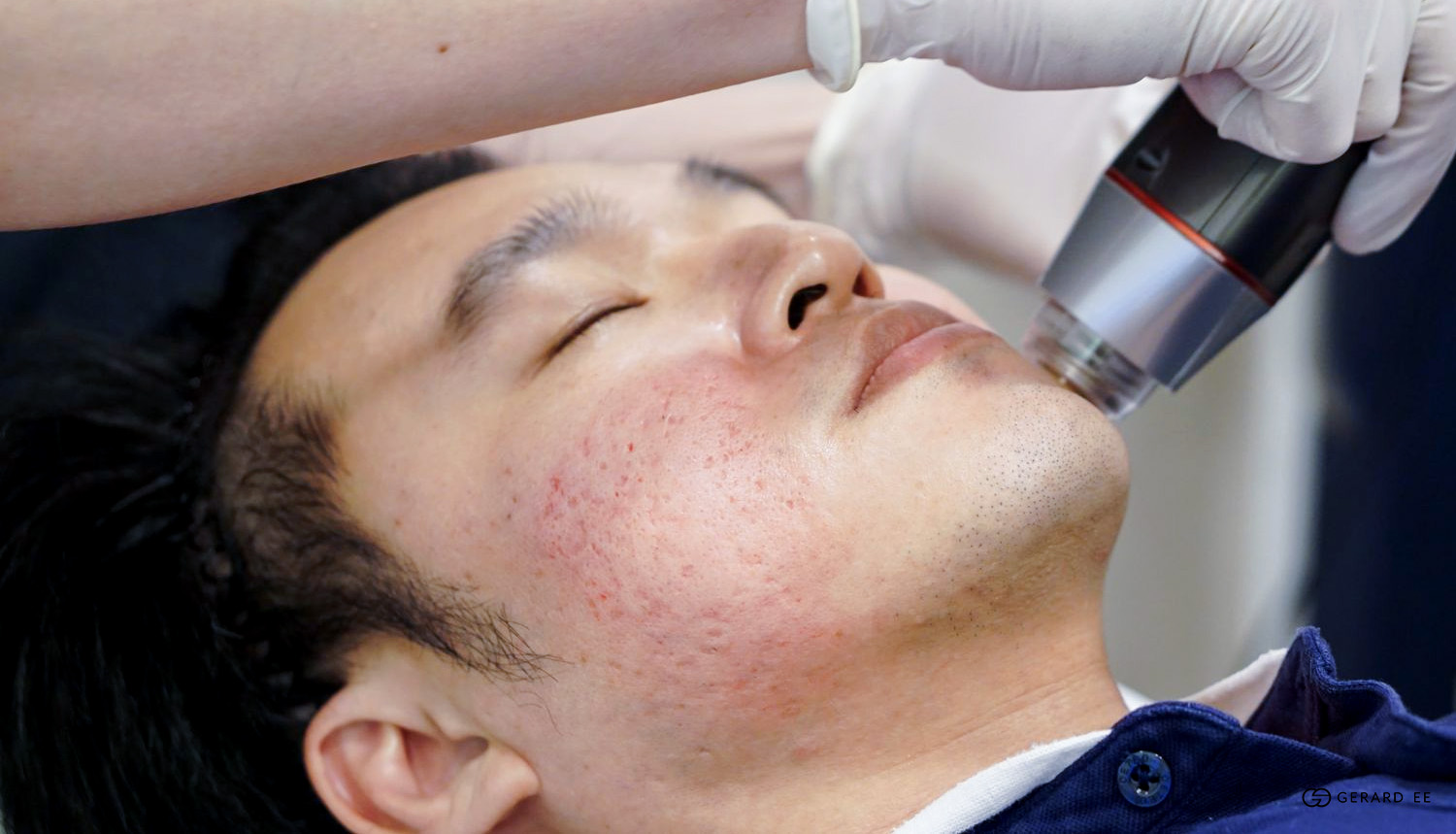
When evaluating a clinic, look for a doctor who assesses the specific scar types in person and owns a range of technologies rather than one machine used for everything. It is reasonable to ask what the maximum power of the RF device is and how far apart sessions are spaced. A confident, specific answer is a good sign. Be wary of pressure to buy large packages up front, a push toward weekly or monthly visits, or promises of total scar removal. Honesty about limitations (that RF cannot fix keloids or temple scars, and that results are gradual) is a reliable marker of a trustworthy clinic.
Scars on the temples are a special case that RF cannot lift. See temple acne scars and thread lift.
A treatment philosophy, in short
The approach that consistently works is to treat the root cause first and then rebuild texture gradually, choosing each tool for the job it does best, rather than chasing a fast result by stacking machines or buying the most expensive package. Spending more is not the same as achieving better results. Combined with skincare that calms the oil gland and supports collagen, this steady, staged approach ages and looks better than aggressive over-treatment.
How many acne scar treatment sessions are needed, and how often?
There is no fixed number, as outcomes depend on the depth and mix of scars, skin tone, and how the skin responds. Acne scar treatment is almost always a course rather than a single visit. As a rough guide, many patients follow a six-month programme of treatments spaced four to six weeks apart, after which the plan is reviewed and further sessions or maintenance considered. Treating more frequently is counterproductive: sessions that are too close together do not give the body time to build collagen, and trying to do too much in one sitting under-doses each individual treatment. Fewer, properly-dosed treatments at sensible intervals consistently outperform a crowded, intensive schedule.
Tracking progress the right way also helps. Improvement from collagen remodelling is gradual and easy to miss day to day, so results are best assessed over three to six months with consistent, well-lit photographs rather than in the bathroom mirror. Patients who understand this rhythm tend to stay the course and achieve the best outcomes.
What a course of RF microneedling looks like week by week is in microneedling for acne scars: results timeline and sessions.
Aftercare after acne scar treatment
Effective results are achieved through a collaborative effort between clinical treatment and at-home care. Sun protection plays a significant role, as ultraviolet light can darken scars, particularly after acne has been controlled, and it is especially pertinent in resurfacing treatments and for individuals with pigment-prone or darker skin. A notable deviation from conventional guidelines is observed: during active acne, the use of heavy sunscreens may, based on clinical experience, congest the skin and provoke additional breakouts, ultimately leading to more scars. Therefore, during the active phase of acne, it is advisable to focus on controlling the condition and, where sun protection is truly necessary, to opt for light, non-comedogenic alternatives or protective clothing such as hats and shaded areas. Once the acne is under control, the importance of sun protection increases substantially and is highly recommended. Additionally, implementing a gentle, non-irritating skincare routine that supports the skin barrier and manages oil and inflammation can facilitate both healing and the underlying acne issues. While not complicated, these measures are crucial in safeguarding the significant investment of time and resources involved in treatment.
Two related questions are answered separately: do acne scars fade on their own and how to prevent acne scars during active breakouts.
What the research shows about acne scar treatment
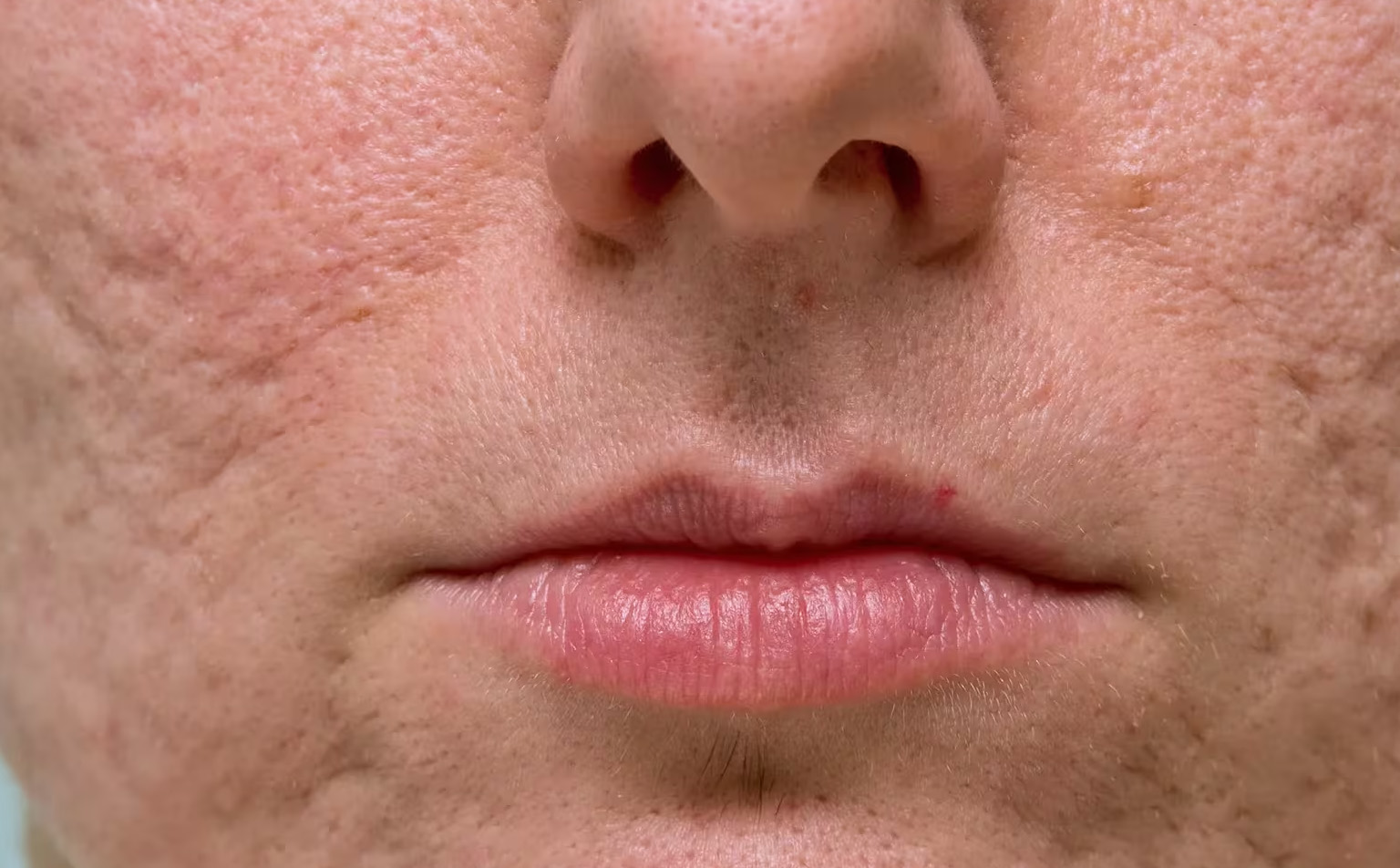
Most acne patients develop some scarring, and around half have clinically relevant scars (pathogenesis review, prevalence and risk factors). Fractional CO2 is supported by meta-analysis for atrophic (depressed) scars (CO2 meta-analysis, monotherapy series), and the evidence base for RF microneedling is growing (systematic review). Pairing Rejuran with fractional CO2 supports wound healing after treatment (PDRN scar prevention). Subcision combined with TCA CROSS is a recognised, cost-effective approach (subcision plus CROSS), and poly-L-lactic acid delivered with fractional CO2 has shown high rates of improvement (PLLA plus CO2). Trial results for each scar type are summarised on types of acne scars in Singapore.
What the published evidence on Juvelook and hybrid HA for acne scars shows
Only papers whose article title itself contains the requested brand name are included below. Product names mentioned only in the abstract, keywords or methods were excluded.
Juvelook has been used with carbon dioxide gas subcision for atrophic acne scars in a published series, combining mechanical release of the tethers with PDLLA collagen stimulation. [7]
In a split-face randomised trial, adding hybrid HA to subcision did not reduce scar depth on ultrasound beyond subcision alone at three months, although patient satisfaction was higher. Rolling scars responded best in both arms. [8]
Show the key references (8)
- Adipose extracellular matrix/stromal vascular fraction gel versus CO2 fractional laser for atrophic acne scars: 24-week randomised split-face study. PubMed.
- Injectable particulated human acellular dermal matrix booster for skin restoration: randomised, split-face, double-blinded trial with preclinical study. PubMed.
- Acne Scarring, Pathogenesis, Evaluation, and Treatment Options. PubMed.
- CO2 versus Er:YAG fractional laser for atrophic acne scars: meta-analysis and systematic review. PubMed.
- Fractional radiofrequency microneedling as monotherapy in acne scars: systematic review (16 studies, 481 patients). PubMed.
- PDRN (polydeoxyribonucleotide) for scar prevention and enhanced wound healing. PubMed.
- Subcision plus 50% TCA CROSS for atrophic acne scars: a cost-effective therapy. PubMed.
- Atrophic scars treated with fractional CO2 laser facilitating topical poly-L-lactic acid. PubMed.
- Yi KH, Rosellini I, Lee S, Lee HE. Gas subcision with PDLLA (Juvelook): Evaluating a hybrid mechanical-biologic approach for atrophic acne scars. JPRAS Open. 2026;51:129-133. doi:10.1016/j.jpra.2026.05.001. PMID 42389218.
- Dastgheib M, Heidari S, Azizipour A, Kavyani M, Lajevardi V, Ehsani AH, et al. Investigating the impact of added Profhilo mesogel to subcision versus subcision monotherapy in treating acne scars; a single-blinded, split-face randomized trial. J Cosmet Dermatol. 2024;23(6):1992-2000. doi:10.1111/jocd.16258. PMID 38429946.
Show device specifications and sources (1)
- S. FDA 510(k) Summary K213612 (SYLFIRM X, ViOL Co., Ltd.): Output power Max 16 W at 50 Ω. 2 MHz. Bi-polar RF.
Written, medically reviewed and expert opinion by Dr Gerard Ee, aesthetic doctor and Founder & Medical Director of The Clifford Clinic. This article reflects my clinical experience treating acne scars in Singapore and is intended for general education, not medical advice. Treatment suitability, results, downtime and cost vary from person to person. Please arrange a consultation for advice specific to your skin. Dr Gerard Ee is the Medical Director of The Clifford Clinic, a private clinic in Singapore, and treatments discussed on this site are provided commercially.
Acne scar treatment in Singapore: the bottom line
Acne scars are highly treatable, but the approach matters. Settle the acne first, identify the scar types accurately, match each to the right tool, combine them in sequence, space sessions sensibly, and allow collagen the months it needs. Approached this way, smoother, more even skin is a realistic goal for almost everyone. For more detail on any one element, start with what causes acne scars, the types of acne scars, or RF microneedling: Infini vs Secret RF.
Related reading on acne scars and acne marks
- Does Fractional CO2 Laser Work for Acne Scars? Results, Downtime and the Evidence.
- Post-Acne Pigmentation or Melasma? How to Tell PIH from the Other Brown Patches.
- Brown Acne Marks (PIH): Pigmentation Treatment for Asian Skin.
- Sylfirm X No Results on Acne Scars? The Four Reasons and What to Do Next.
- Sylfirm X in Singapore: Benefits, Costs and a Doctor’s Review.
- Gold Photothermal Therapy: A Revolutionary Approach to Treating Acne.
- The Acne Library.

Dr Gerard Ee, Aesthetic Doctor in Singapore
Dr Gerard Ee is an aesthetic doctor in Singapore and the Medical Director of his practice at 50 Raffles Place. He graduated from St George’s, University of London, trained in surgery at Singapore General Hospital and the National University Hospital, and holds the MRCS (Edinburgh) and a postgraduate diploma in practical dermatology from Cardiff University.
He has practised aesthetic medicine since 2012, is the author of sixteen peer-reviewed papers, and writes and medically reviews every article on this site. Read more about Dr Gerard Ee.

Book a consultation with Dr Gerard Ee at The Clifford Clinic
Dr Gerard Ee consults and performs acne scar treatment at The Clifford Clinic, 50 Raffles Place, Singapore. Consultations are by appointment. Message the clinic on WhatsApp, or call 6532 2048.
Acne scar treatment FAQ
Which acne scar treatment is most effective?
No single treatment suits everyone. The strongest results come from combining modalities, RF microneedling (Infini or Secret RF), subcision, fractional CO2, Pico MLA and biostimulators, matched to the specific scar types, rather than repeating one device.
How do you get rid of acne scars in Singapore?
Acne scars can be improved but not fully erased, by matching a procedure to each scar type and combining the procedures over about six months. Rolling scars are released with subcision, ice pick scars are treated with TCA CROSS, and boxcar scars are resurfaced with fractional CO2 or RF microneedling. Treatment begins once active acne is under control, with one modality per session and sessions spaced four to six weeks apart. Creams and home devices are unlikely to help, because they do not reach the dermal depth at which scars form.
How much does acne scar treatment cost in Singapore?
Individual sessions can be accessible. A single fractional CO2 session can start from as low as S$390, while a six-month custom scar package combining Infini, Secret RF, fractional CO2 and Pico MLA is around S$4,000.
Can acne scars be completely removed?
Rarely to perfection. True scars can be significantly improved, often around twenty to thirty per cent over six months with energy-based treatment, more with biostimulators, but realistic, gradual improvement is the honest goal.
How long does acne scar treatment take to work?
Collagen remodelling is slow. Most patients need several sessions spaced four to six weeks apart, with much of the visible improvement appearing over three to six months.
Do I need to treat my acne before my scars?
Ongoing acne needs assessment as part of the plan so that new lesions and scars are addressed. The timing of scar treatment depends on acne control, the skin’s condition and the procedure. Secret RF or AGNES may be considered for selected patients, but active acne does not automatically make either appropriate.
Is acne scar treatment safe for dark skin?
Many people with darker skin can be treated, but pigment changes and scarring remain possible. I often favour an insulated RF approach for selected scars, with the full plan adjusted to the skin and its history. A tendency to keloids needs explicit assessment before treatment.
Do I need to stop isotretinoin before acne scar treatment?
Do not stop isotretinoin without discussing it with your prescriber. A six-month delay is not an automatic rule for every scar procedure, but suitability depends on the exact treatment, device instructions and individual risk. Fully ablative laser and mechanical dermabrasion require particular caution. The microneedling evidence review explains the distinctions.
What is the best pimple scar treatment in Singapore?
Pimple scar and acne scar mean the same thing, and there is no single best treatment. Rolling scars respond to subcision, ice pick scars to TCA CROSS, boxcar scars and general texture to fractional CO2 laser or RF microneedling, and most faces need a combination over about six months, as set out above.
How do Koreans get rid of acne scars?
Korean clinics tend to run more sessions at lower intensity and to combine modalities, but never all together, over months, rather than performing three or four treatments on the same day. Microneedle fractional radiofrequency does the structural work on depressed scars. ECM skin boosters are gaining a lot of popularity and traction, including Juveacell, Essalia, CellREDM and Re20, and are used alongside it to improve skin quality between sessions, as are PDLLA skin boosters. The approach suits Asian skin, because lower energy per session reduces the risk of post-inflammatory hyperpigmentation that follows aggressive resurfacing. ECM skin boosters also allow for collagen remodelling and have been shown to stimulate collagen, especially when placed over acne scars. In a 24-week randomised split-face study in Asian skin, a single injection of adipose extracellular matrix gel reduced acne scar scores further than two sessions of fractional CO2 laser, with a mean ECCA change of -60.25 against -43.25, and reduced scar volume by 33.17% against 19.69% (Zhao and colleagues, Journal of Cosmetic Dermatology, 2025). A separate randomised, split-face, double-blinded trial of an injectable acellular dermal matrix booster found greater gains in skin density, elasticity and pore area than hyaluronic acid, with new collagen forming inside the implanted matrix (Lee and colleagues, International Journal of Molecular Sciences, 2026). Both studies tested extracellular matrix materials rather than the specific commercial boosters named above.