Home›Blog›Acne›Acne Scars & Marks›How to Stop a Pimple Turning Into a Scar
Acne scars are a common and often frustrating consequence of acne, impacting skin texture and confidence. That pimple scar can feel like a permanent reminder of a past breakout, and when you have multiple or severe scars, it can feel like a losing battle. While existing acne scars can be treated, prevention is usually the most effective strategy, as taking the right measures early could reduce the risk of permanent scarring in the future. This page covers the window in which a pimple can still be prevented from scarring, and the treatment options once it has.
Dr Gerard Ee consults and treats acne and pimple scars at The Clifford Clinic, 50 Raffles Place, Singapore.
How a pimple becomes a pimple scar
The most reliable way to prevent acne scars is to control inflamed breakouts early, because scarring comes from deep inflammation damaging collagen. Avoid squeezing or picking deep pimples, and see a doctor when cysts or nodules appear rather than waiting for them to settle.
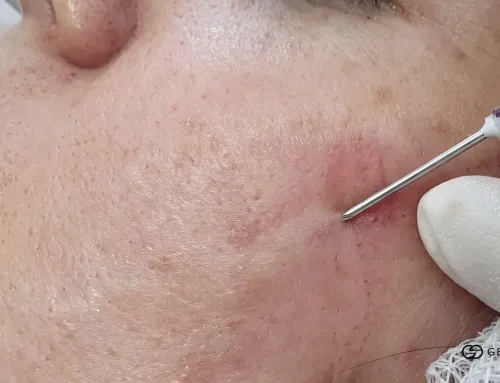
Acne scars are a result of the skin’s inflammatory response to acne lesions. When a pimple becomes inflamed, it can damage the surrounding skin tissue, including the crucial collagen and elastin fibres that give skin its smooth, firm structure.
As the body attempts to heal this damage, it may either produce too little or too much tissue. This can lead to a loss of tissue, resulting in atrophic scars — the depressed, pitted blemishes we often associate with acne, such as ice pick, boxcar, and rolling scars. Alternatively, the body might produce an excess of tissue, leading to raised, firm scars known as hypertrophic or keloid scars.
Raised scars that grow beyond the original wound are keloids, a different problem from pitted acne scars; see my guide to keloid scars and the options for keloid treatment in Singapore.
It’s important to differentiate these from acne marks, such as hyperpigmentation or post-inflammatory erythema (PIE), which are discolourations rather than permanent textural changes. These temporary marks generally fade over time.
How to prevent pimple scars during a breakout
Here are the steps you can take during and after acne breakouts to potentially minimise the risk of scarring:
1. Early and Effective Acne Treatment
Treating acne promptly and effectively cannot be overstated. By addressing a breakout early, you could minimise the inflammation that leads to severe lesions and, consequently, prevent the kind of damage that results in a permanent pimple scar.
For persistent or severe acne, seeking help from a professional is the most recommended step you can take, as they can diagnose the cause of your acne and provide a personalised treatment plan that is more effective than over-the-counter products, which may not be suitable for your specific skin type and condition.
2. Avoid Picking and Squeezing
We’ve all been tempted to squeeze a breakout, but manipulating a pimple directly could worsen the inflammation. This is because squeezing can push bacteria and debris deeper into the skin, potentially increasing the risk of permanent scarring.
This is especially important to remember for painful, deep-seated lesions like cystic acne, which are much more likely to cause significant damage and leave lasting scars if picked at.
3. Adopt a Good Skincare Routine
Using non-irritating, non-comedogenic skincare products is crucial for managing breakouts. This also means avoiding harsh scrubs, abrasive exfoliants, or over-exfoliation, which can compromise the skin barrier and worsen inflammation, potentially creating new acne scars and marks.
4. Prioritise Sun Protection
Ultraviolet (UV) exposure can darken post-inflammatory hyperpigmentation and make existing acne marks more noticeable and persistent. Hence, it’s advised to make a daily habit of using a broad-spectrum sunscreen with a high SPF, even on cloudy days, to protect your skin as it heals.
Pimple scar or pimple mark, how to tell the difference
The distinction is made by stretching the skin between two fingers. A dip that flattens under tension, or a flat spot that is only discoloured, red or brown, is a mark, and marks fade because the pigment or dilated vessels sit in skin whose collagen is intact. A dip that persists under tension, or a pit that casts a shadow under a light held to one side, is a scar, and scars do not fade on their own because collagen has been lost from the dermis. Red marks, known as post-inflammatory erythema (PIE), are treated with V Beam, and brown marks, known as post-inflammatory hyperpigmentation (PIH), with Q-Switch. Neither needs a scar procedure. The full check is on acne marks vs acne scars.
Pimple scar treatment in Singapore
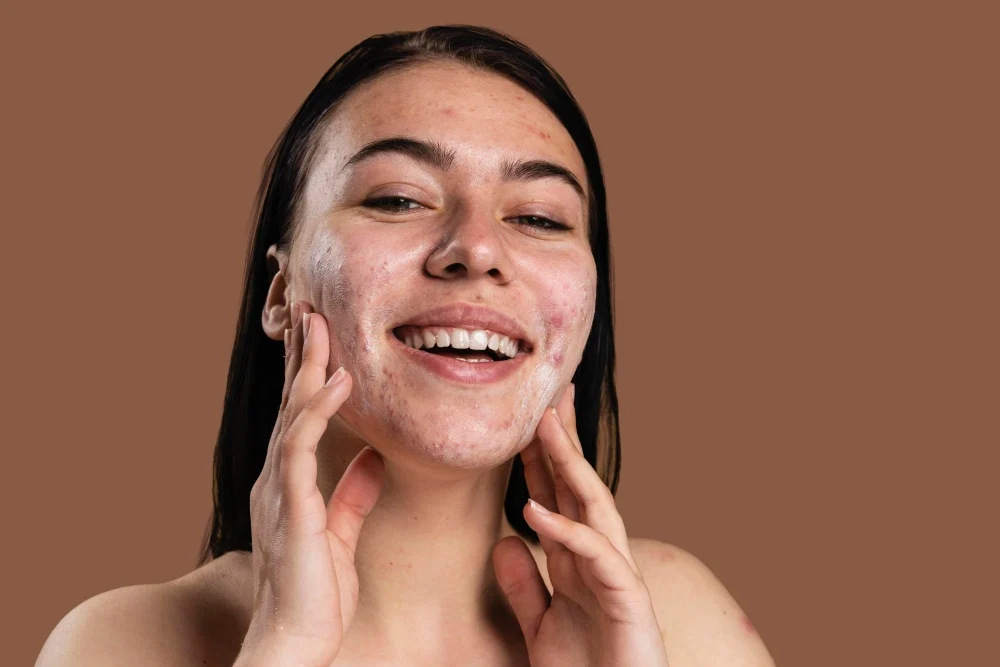
If preventative measures weren’t enough and you’re left with a scar, there are ways to address it. For mild textural irregularities and discolouration, these topical solutions could help improve skin texture over time:
- Prescription retinoids
- Vitamin C serums
- Alpha hydroxy acids (AHAs)
For more significant acne scars, more advanced procedures may be necessary. This includes:
- Fractional lasers (e.g., Fraxel)
- Ablative lasers (e.g., CO2)
- Subcision acne scar treatments
The procedure depends on the type of pimple scar, namely subcision for rolling scars, TCA CROSS for ice pick scars, and RF microneedling or fractional CO2 for boxcar scars and texture, usually combined over about six months. The treatments and their prices are listed on acne scar removal in Singapore, and the way they are chosen is explained in the acne scar treatment guide.
When to see a doctor about pimple scars
Effective acne scar prevention and treatment require a thorough professional assessment and a tailored approach. Dr. Gerard Ee has extensive experience in both providing acne treatment and acne scar treatment in Singapore.
For anyone concerned about acne marks or scarring, we encourage you to book a consultation with Dr. Gerard Ee to receive a personalised assessment and find the most effective path to preventing and treating your acne scars.

Dr Gerard Ee, Aesthetic Doctor in Singapore
Dr Gerard Ee is an aesthetic doctor in Singapore and the Medical Director of his practice at 50 Raffles Place. He graduated from St George’s, University of London, trained in surgery at Singapore General Hospital and the National University Hospital, and holds the MRCS (Edinburgh) and a postgraduate diploma in practical dermatology from Cardiff University.
He has practised aesthetic medicine since 2012, is the author of sixteen peer-reviewed papers, and writes and medically reviews every article on this site. Read more about Dr Gerard Ee.

Book a consultation with Dr Gerard Ee at The Clifford Clinic
Dr Gerard Ee consults and treats acne and pimple scars at The Clifford Clinic, 50 Raffles Place, Singapore. Consultations are by appointment. Message the clinic on WhatsApp, or call 6532 2048.
Pimple scar questions
Do pimple scars go away?
Pimple marks, the flat red or brown spots left after a breakout, generally fade over time. True pimple scars, the pitted ice pick, boxcar and rolling scars, do not fade on their own because collagen has been lost from the dermis, and they are treated with procedures chosen by scar type.
Can you prevent a pimple scar after squeezing?
Squeezing pushes bacteria and debris deeper into the skin and worsens the inflammation, so the risk of scarring rises once a pimple has been manipulated. What still helps is treating the acne promptly, leaving the lesion alone from that point, keeping the skincare routine non-irritating and protecting the area from the sun while it heals.
This page is written from published research and from clinical experience in Singapore since 2012. It is for general education, not medical advice. Whether a treatment suits you, what it may achieve and what it may risk can only be established at a consultation. Dr Gerard Ee is the Medical Director of The Clifford Clinic, a private clinic in Singapore, and treatments discussed on this site are provided commercially.