
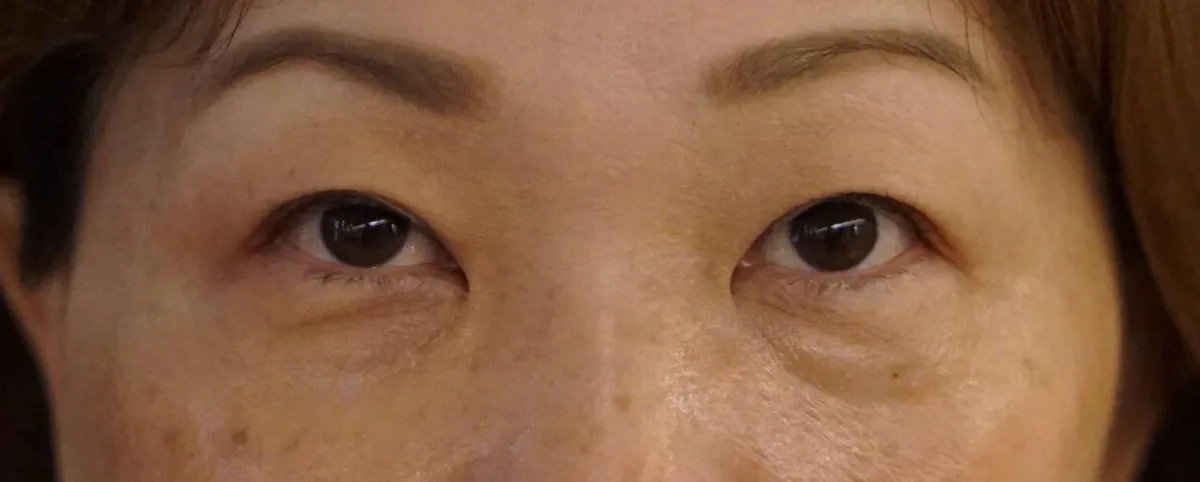
This is the long article on how AGNES and Secret RF eye bag removal works and what the evidence shows. For the price, the steps on the day and a short FAQ, see the non-surgical eye bag removal service page.
Dr Gerard Ee consults at The Clifford Clinic, 50 Raffles Place, Singapore.
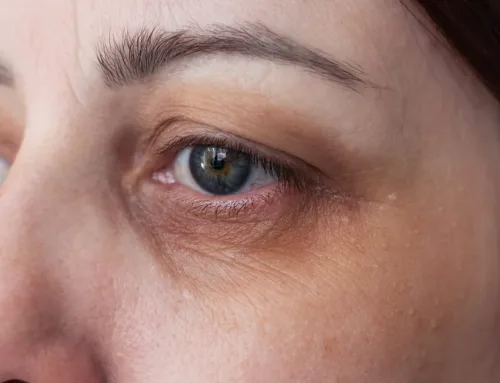
Non-surgical eye bag removal is one of the most misrepresented procedures in Singapore aesthetics. It is sold as an equivalent to surgery, which it is not, and dismissed as useless by some surgeons, which is equally inaccurate. The accurate position lies between those two claims and depends almost entirely on the severity of the bags being treated, which is a question of anatomy rather than of preference.
This article sets out what non-surgical eye bag removal can and cannot achieve, what the published evidence actually shows, and how I decide between it and surgery in a given patient. My own approach uses radiofrequency, combining AGNES RF with Secret RF, and the reasoning for using both rather than either alone is set out below alongside the trial that supports it. Where the evidence is thin, or absent altogether, the article says so rather than filling the gap with confident language.

What non-surgical eye bag removal actually does
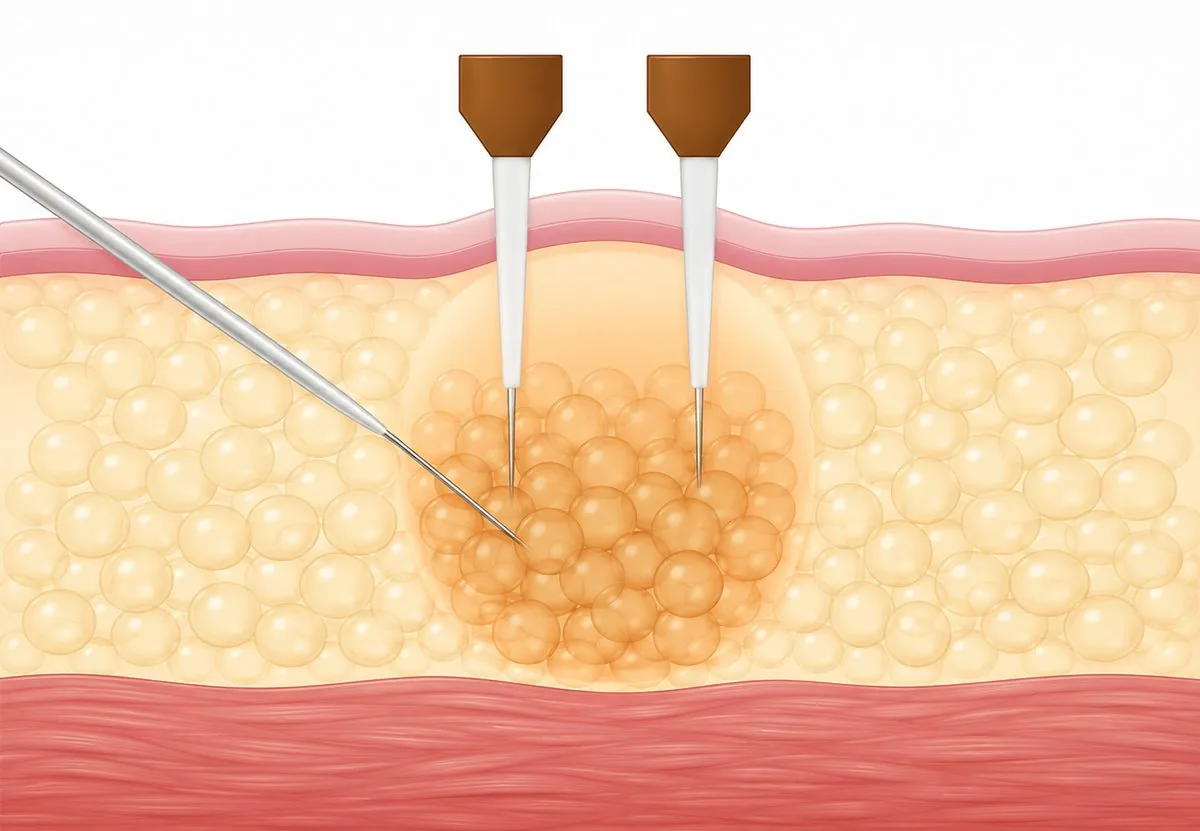
There are two ways to remove an eye bag. Surgery removes or repositions the herniated orbital fat directly, usually through a transconjunctival incision inside the lower lid, which leaves no external scar because the approach passes behind it. Non-surgical eye bag removal instead delivers radiofrequency energy into the fat pad through a fine insulated needle, heating the fat so that it breaks down and is cleared by the body, while the same heat stimulates collagen production in the overlying skin and tightens the envelope that was allowing the fat to show.
The second mechanism receives considerably less attention than it deserves, and it is where most of the disappointment with this treatment originates. An eye bag is not simply a quantity of fat. It is fat that has become visible because the tissue restraining it has weakened, so the bulge is as much a failure of containment as it is an excess of volume. Reducing the fat without addressing the laxity, or tightening the skin without reducing the fat, treats half of the problem and produces half of the result.
Why eye bags form
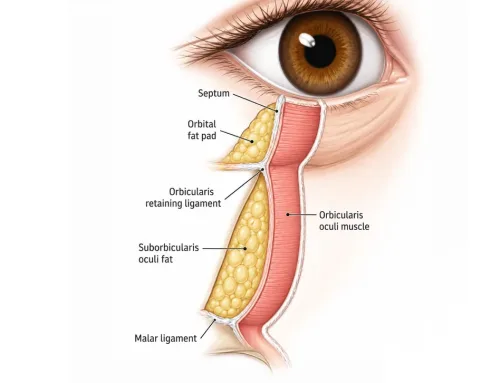
The orbital cavity is cushioned by fat pads whose function is to protect the eye from impact, and they are present in everyone at every age. In a young face they are invisible because the skin over them is taut and elastic, with collagen giving the skin its structure and elastin allowing it to return to shape after being stretched.
With age, fibroblast activity slows and the skin can no longer replace collagen and elastin at the rate at which they degrade. The orbital septum, the sheet of tissue that restrains the fat, weakens over the same period, so the restraint fails at the same time as the covering thins. Because the skin below the eye is the thinnest on the body, the change becomes visible there several years before it shows anywhere else on the face. The fat pad then pushes forward into a visible bulge, which is the eye bag, and it is a fixed contour rather than something that varies with the day.
There are therefore two contributors, and radiofrequency is used because it addresses both of them with a single energy source. Energy delivered from the needle tip heats the fatty tissue so that it breaks down into smaller droplets, which are then transported away and metabolised over the following weeks rather than removed on the day. The same heat stimulates fibroblasts in the dermis to produce new collagen and elastin and to remodel the fibres already present, which is why the result continues to develop for some months after the last session.
None of this is relevant until the diagnosis is correct, and the diagnosis is wrong more often than patients expect. A great many people who believe they have eye bags have something else, namely a tear trough hollow, loose skin, a festoon, or dark pigmentation with no bulge at all, and each of those responds to a different intervention. I have written separately on how to tell eye bags from tear troughs, and that distinction is worth settling before any treatment is considered, because the wrong diagnosis leads reliably to the wrong procedure and to money spent on a result that was never available. The distinction is made on examination rather than from a photograph, since a bulge and a hollow can look identical in a single flat-lit image and are separated by how the contour behaves under changing light and gaze.
The evidence for radiofrequency eye bag removal
Most clinic pages omit the evidence entirely, so the published data are set out here in full, including the parts that do not favour the treatment.
The most directly relevant study is a single-centre trial of a micro-insulated needle radiofrequency system used specifically for lower eyelid fat bulging.1 Subjects were treated twice, four weeks apart, using two needle lengths with different amounts of insulation so that energy could be delivered at two different depths, namely a superficial dermal plane and a deeper subdermal plane within the fat itself.
The results were measured with three-dimensional photogrammetry rather than by clinician impression alone.
- Investigator-assessed fat bulging fell from a mean score of 1.99 to 0.82 at 24 weeks (p<0.001).
- Measured fat bulge height fell from 1.76 mm to 1.32 mm (p<0.001).
- Improvement was visible by 4 weeks, continued to 12 weeks, and was still present at 24 weeks.
- Side effects were limited to transient lower-lid swelling and bruising lasting about a week. No serious complications occurred.1
A systematic review of radiofrequency for face and neck rejuvenation supports the underlying mechanism, confirming that both bulk and microneedling radiofrequency produce measurable volumetric fat reduction in the lower eyelid through localised adipocyte thermolysis. Fat cells have a low heat-transfer coefficient, which limits thermal spread into the surrounding tissue and is what makes the approach feasible this close to the eye.2
A separate retrospective series treated 43 patients with radiofrequency microneedling for malar festoons, a related but distinct problem driven by skin and muscle laxity rather than by pure fat herniation, and it matters here chiefly as an indication that the skin-quality half of the result is real rather than incidental. It found significant improvement in blinded festoon scores, with raters judging under-eye skin quality improved in 41 to 60 per cent of cases and fat bulging improved in 43 to 63 per cent.3
The qualifications carry as much weight as the figures.
These are small single-centre before-and-after studies together with one retrospective cohort. That is level 4 evidence, which is enough to establish that the effect exists and not enough to establish how it compares with the alternative. No randomised controlled trial compares radiofrequency against surgery for eye bags, no head-to-head comparison exists between the different radiofrequency platforms, and no follow-up has been published beyond 24 weeks. A quoted permanent result therefore goes beyond what has been demonstrated, and I include the earlier version of this page in that criticism, since it used the word “permanently” and should not have. A randomised comparison against blepharoplasty, or any follow-up extending past a year, would change how confidently the treatment could be recommended, and until one of them is published the honest description of the evidence is promising rather than established.
Why I use AGNES RF and Secret RF together
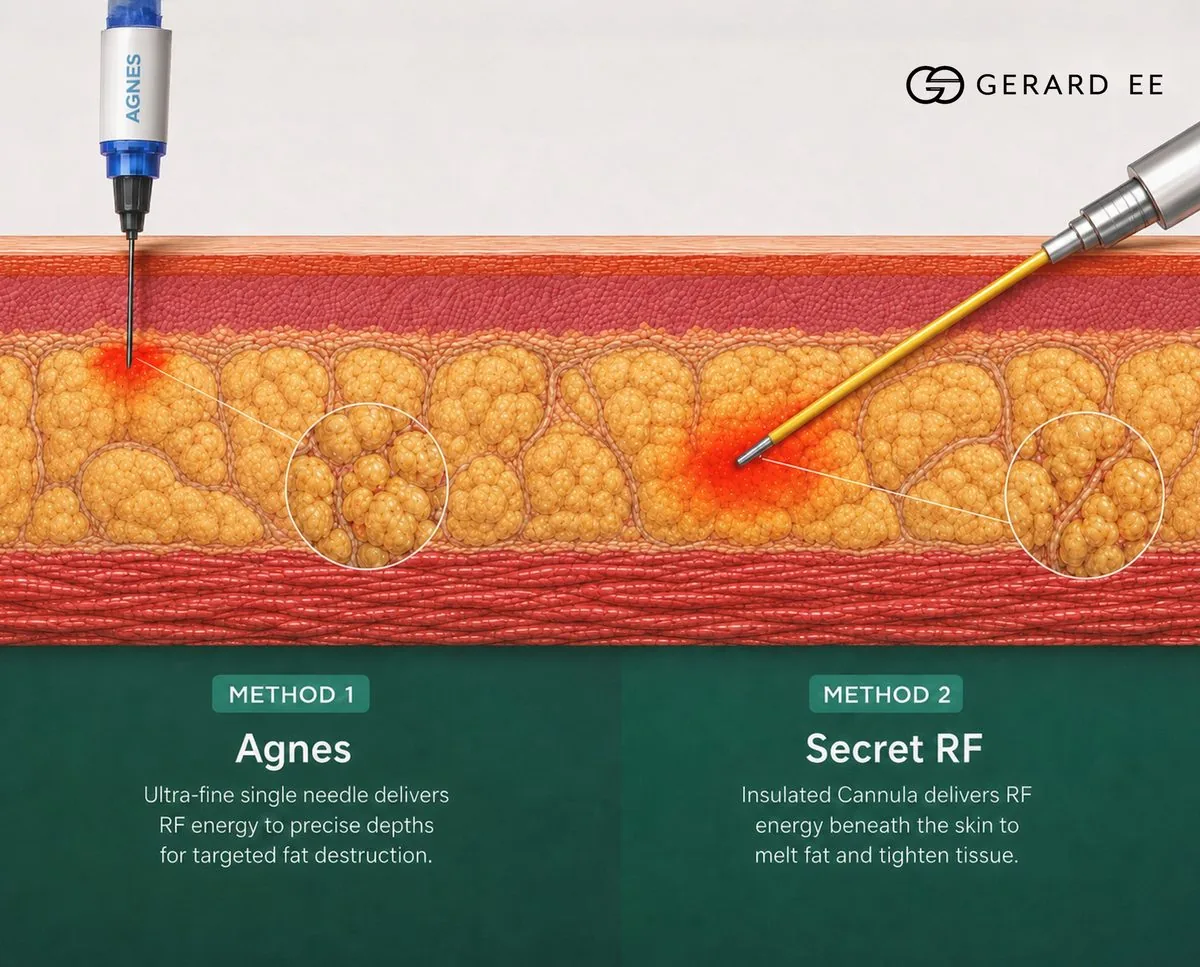
The two devices are not interchangeable, and from experience neither is sufficient on its own for a bag of any size. The difference between them is depth control, and depth is what determines whether the whole of a fat pad is treated or only the part of it nearest the surface.
AGNES RF uses fixed-depth insulated microneedles with the energy concentrated at the tip, so that the dermis above the target is spared while the fat at the tip is heated. The needle is inserted perpendicular to the skin, directly into the target, rather than being passed along a plane. That fixed geometry is the strength of the device, because energy lands at the same depth on every pass, which makes the treatment consistent between sessions and between operators. It is also the limitation, and the limitation becomes the binding one as soon as the bag is large. Where energy has to be delivered at more than one level, a fixed-depth needle cannot do it, and treating a multi-level fat pad at a single depth leaves the deeper portion untreated while the superficial portion receives the whole dose.
Secret RF is an insulated cannula with a radiofrequency tip. The cannula is advanced into the eye bag fat and releases energy at a depth below the one the AGNES needles reach, so the fat pad is treated at more than one level and the tissue above it is heated enough to drive new collagen formation. That collagen forms over the following weeks, allowing the skin to contract smoothly over the reduced fat pad rather than draping loosely across it. Treating at more than one level is also the reason I can treat larger bags than fixed-depth radiofrequency alone would allow.
The published trial above used exactly this principle, with two needle lengths of differing insulation targeting two depths, and its authors reached the same conclusion I had reached clinically, which is that one depth is not enough.1
Who non-surgical eye bag removal suits, and who it does not
Patient selection decides whether the procedure works, and it is the step most often skipped in favour of a discussion about price.
A multispecialty systematic review of under-eye treatments concluded that fillers, lasers, microneedling and neuromodulators address volume, pigment and skin quality, but that surgery remains the preferred and most definitive option for herniated orbital fat and poor lower-lid support, particularly where the integrity of the fat pad is significantly compromised.4 I agree with that conclusion without reservation, and I would rather a patient had read it before the consultation begins than hear it for the first time as a reason they are being turned away.
What I assess before grading is the size of the bulge relative to the orbital rim, how much of the appearance is contour and how much is shadow, the tone of the lower lid on gentle downward traction, and whether the skin has enough elasticity to retract once the fat beneath it is reduced. The grading below is how that assessment is applied.
- Mild bulging with reasonably preserved skin and muscle tone. This is where non-surgical eye bag removal performs best, and where the published improvement figures were obtained, so the trial data translate to this group most directly. Meaningful reduction can be expected over two to three sessions, with the contour continuing to settle for some weeks after the last of them.
- Moderate herniation. Improvement is partial and incremental across several sessions rather than evident after the first. The outcome is often good but rarely a complete correction, and I say so before treatment begins rather than afterwards, because a patient who was expecting a surgical result will read a genuine improvement as a failure.
- Severe fat pseudoherniation with a lax septum. Energy-based devices alone are unlikely to correct this adequately, because the restraining layer has failed rather than merely stretched. A non-surgical route in such a patient costs several thousand dollars and several months to reach a result that satisfies neither the patient nor the doctor. I refer these cases for surgery, and I do so at the first consultation rather than after a course has been sold.
No published study quantifies percentage improvement stratified by severity against a surgical comparator, so the grading above is clinical judgement applied to the published evidence rather than a citable figure, and it should be read as the basis on which patients are selected rather than as a prediction of how much improvement any individual will see.
Are tear trough fillers an alternative to eye bag removal?
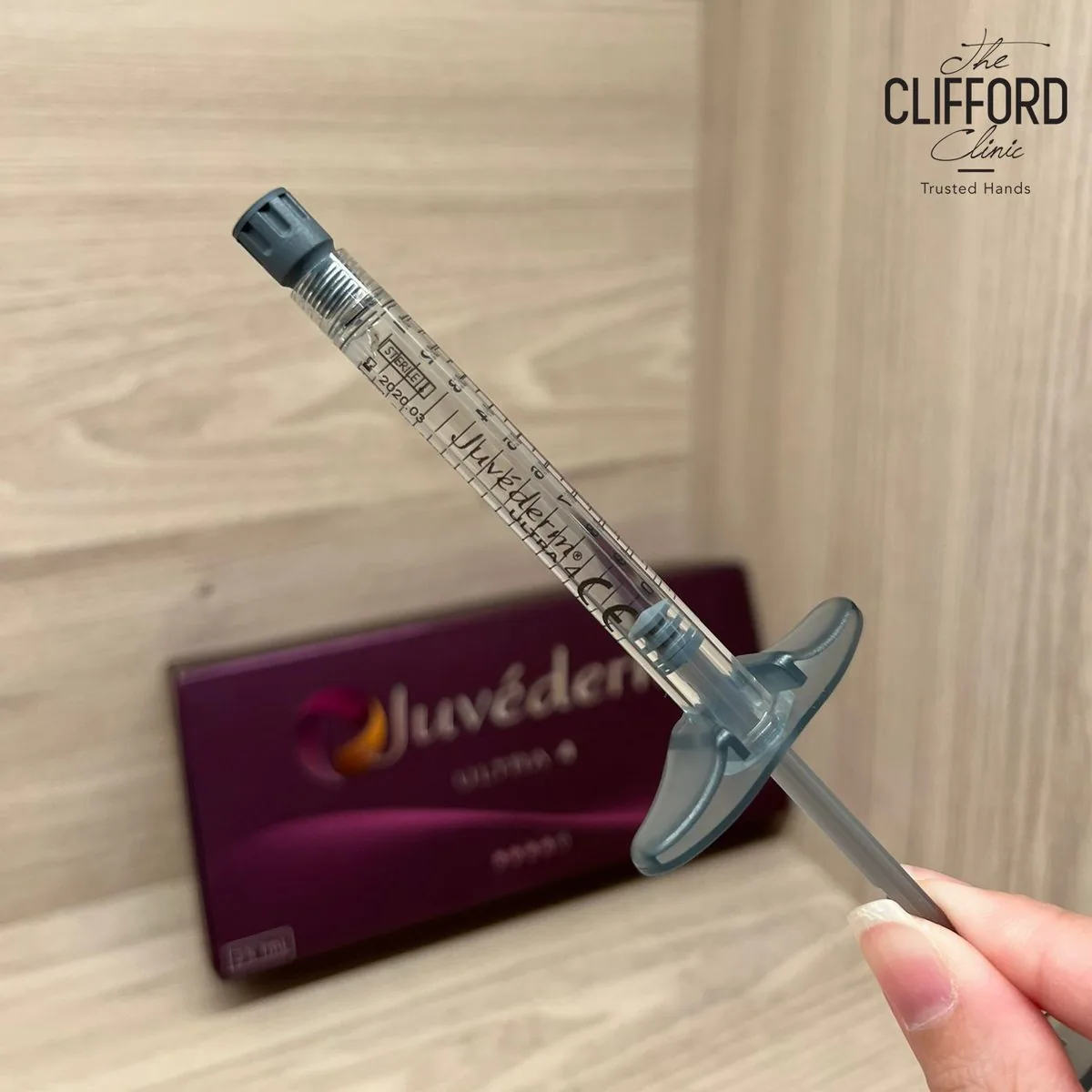
Tear trough fillers are a different procedure addressing a different problem, and the confusion between the two accounts for a great deal of the disappointment in this area.
Filler does not remove fat. It fills the hollow below the bulge so that the transition between eyelid and cheek is less abrupt, which changes the shadow rather than the contour that casts it. On a true eye bag the fat pad remains and the skin remains lax, so the bulge is camouflaged rather than treated, and it reappears as the hyaluronic acid is broken down over the following months. Used on a genuine hollow with no significant bulge, filler is an excellent treatment. Used on a bag, it adds volume to an area that already has too much and frequently makes the region look heavier.
The complication data are worth quoting in full rather than summarising, because the summary version is usually chosen to suit whoever is quoting it. A meta-analysis of 31 studies covering 2,556 patients found a pooled satisfaction rate of 91.0 per cent for hyaluronic acid in the tear trough, which establishes that it works when correctly indicated, alongside the following complication rates.5
- Swelling or oedema, 19.2%
- Bruising, 18.4%
- Redness, 7.1%
- Contour irregularity or lump, 5.3%
- Blue discolouration from the Tyndall effect, 0.9%
Two further findings are specific to this area and do not appear in general filler statistics. A review of periocular filler reported malar oedema in 11 per cent of patients, a delayed swelling over the cheekbone that is peculiar to the periocular region and is treated with hyaluronidase.6 An ultrasound study of non-vascular filler complications found the infraorbital region to be the most commonly affected site in the whole face, accounting for 23 per cent of all documented complications, with the Tyndall effect the single most frequent finding.7
Vascular occlusion is rare and is the complication of consequence. International consensus guidance identifies it as the most significant risk of filler and stresses prompt recognition and immediate treatment with hyaluronidase.8 On filler-related vision loss specifically, one periocular review notes that no level 1 evidence exists to guide management and that only two cases of visual recovery have been reported in the literature.6 None of that is a reason to avoid filler in a patient who needs it. It is a reason to have it administered by a doctor who knows the infraorbital vascular anatomy, injects slowly and in small aliquots, and keeps hyaluronidase in the room rather than in the building.
Filler is a supplement rather than a substitute. Where volume is genuinely lost, it has a role after the fat has been reduced. I have set out the comparison in more detail in my article on tear trough fillers and why they make true eye bags worse.
Are lasers or HIFU effective for eye bags?
Lasers are frequently marketed for this indication, and I remain unconvinced by them as a primary treatment for a fat bag. The lasers that are safe to use this close to the globe do not, in my experience, deliver enough energy into the fat pad to break it down, and the wavelengths and fluences that would are not ones I would fire in that position. Laser is better suited to tightening the skin once the fat has been addressed than to addressing the fat, and it is reasonable as the second half of a plan rather than the whole of one.
A search of the published literature for efficacy or safety data on HIFU and micro-focused ultrasound inside the orbital rim identified none, which is a finding worth stating rather than passing over. That is not the same as saying the modality does not work, but it does mean the evidence needed to judge it is absent, and given the proximity of the globe and the depth at which HIFU deposits its energy, an absence of published safety data in this particular location carries more weight than it would elsewhere on the face.
Eye creams, cold compresses and sleep are unlikely to affect herniated fat, although they do help genuine fluid retention, which is why a bag that varies between morning and evening is a different problem from one that does not. The question of what home remedies can and cannot do is covered separately. Where the main complaint is colour rather than contour, allergic rhinitis is a far more common cause than most patients realise, and treating the nose does more for the eyes than any cream.
When eye bag surgery is the better answer
I would rather decline a case than provide a treatment that cannot work for the patient in front of me. Where there is severe fat herniation, significant lower-lid laxity, or substantial skin excess, transconjunctival or transcutaneous blepharoplasty will give a better result than anything achievable with a needle, and it will do so in one procedure rather than three.
I have set out the surgical side in full — the approaches, the complication odds and the questions worth putting to a surgeon — in my article on when you actually need eye bag surgery. The systematic review cited above reaches the same conclusion for the same reasons.4 Non-surgical eye bag removal is not a lesser version of surgery to be attempted first by everyone before they earn an operation. It is a different intervention with a different range of application, and the clinical skill lies in identifying which of the two the patient in front of you needs.
For a full review of every option marketed for the eye area in Singapore, including the modalities not offered here and the reasons for that, my longer piece on choosing an eye bag treatment sets them out side by side.
What the non-surgical eye bag removal procedure is like
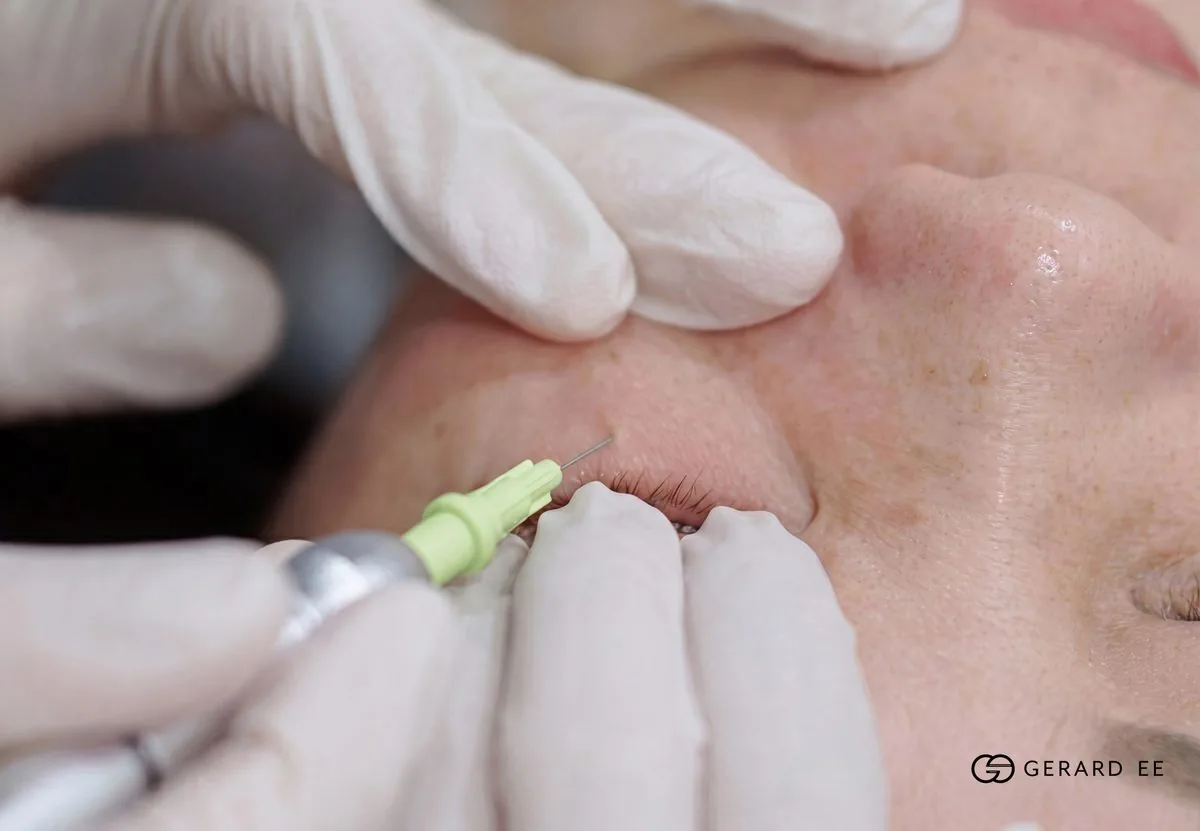
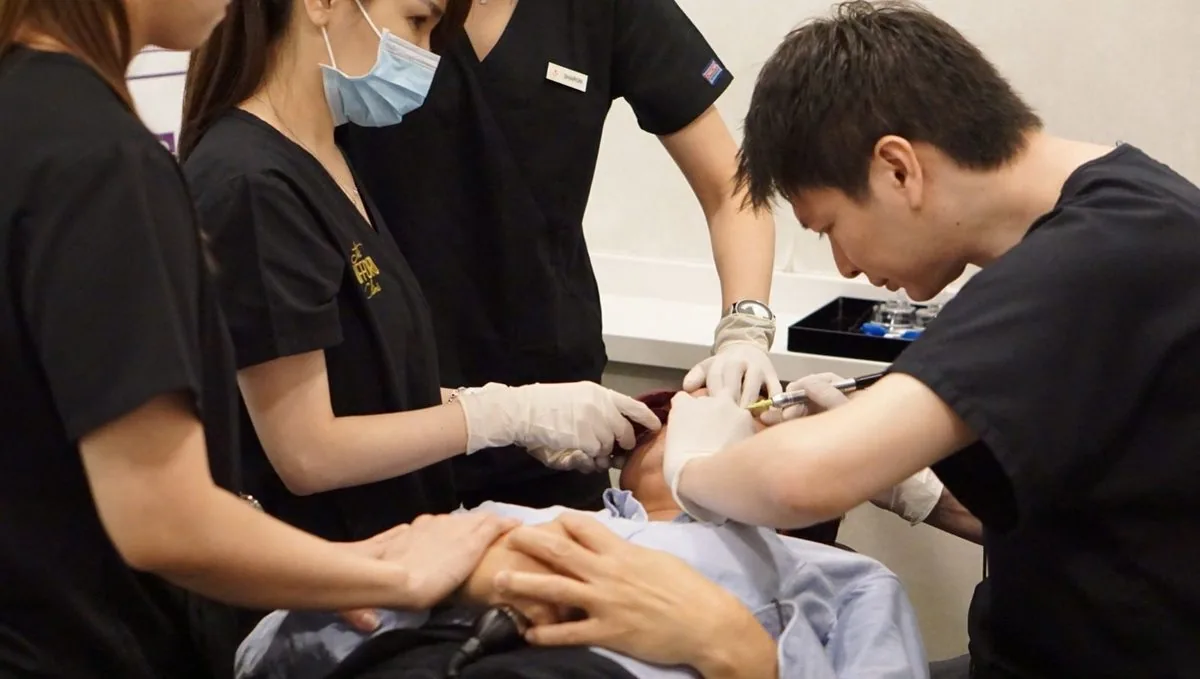
- Topical anaesthetic is applied to the treatment area and left for about 30 minutes, which is the step that determines how comfortable the rest of the appointment is.
- A local anaesthetic is then injected around the eye bag. This is the step that makes the treatment genuinely comfortable rather than merely tolerable, and it is the one some clinics omit in order to shorten the appointment.
- Radiofrequency energy is delivered through the AGNES or Secret RF handpiece into the orbital fat pad, breaking down the fat and tightening the dermis above it, with the number of insertion points determined by the size of the pad rather than by a fixed protocol.
The appointment takes about an hour. The radiofrequency itself accounts for roughly 20 minutes, and the remainder is the wait for the topical anaesthetic to take effect. Most patients describe a warm prickling sensation rather than pain. Aftercare is limited to cold compresses for the first two days and avoiding anything that raises facial blood flow, such as vigorous exercise or alcohol, until the swelling has settled.
Non-surgical eye bag removal side effects and downtime
Swelling and bruising of the lower lid should be expected for around a week. This matches the published trial, in which adverse effects were confined to transient swelling and bruising of about that duration with no serious complications.1 Swelling in this area is usually most pronounced in the first two or three days and is worse on waking, because the tissue is loose enough to hold fluid overnight. Bruising is more likely, and lasts longer, in patients taking anticoagulants or antiplatelet drugs, or supplements such as fish oil, which is why I ask about these before the appointment is booked rather than on the day.
The timing is worth planning around, since the swelling is predictable even though its severity is not. Where there is an occasion at which appearing puffy would be unwelcome, the treatment is best booked at least two weeks beforehand rather than in the same week as the event.
Burns, prolonged pigment change, lower-lid retraction and any change in vision are not expected findings and should not occur. They are technique-related rather than inherent to the modality, which is why the procedure should be performed by a doctor who treats this particular area regularly enough to know how the tissue behaves.
Is non-surgical eye bag removal permanent?
Fat that has been thermally destroyed does not return, and in my patients the treated fat pads have remained reduced for years rather than months. The accurate answer is nonetheless more careful than “permanent”, for two reasons that pull in the same direction. The published follow-up runs to 24 weeks and no further,1 and the ageing process that produced the bag continues after treatment, so the septum keeps weakening and the skin keeps losing collagen at the same rate as before.
Long-lasting is the accurate description of what this treatment achieves. Permanent overstates what anyone can currently demonstrate from published data. I have written a fuller answer on whether non-surgical eye bag removal is permanent.
AGNES RF for the upper eyelid
The same AGNES needle is used on the upper lid, described in full in the AGNES with Secret RF eyelid lift.
The upper eyelid is a different problem from the lower. Heaviness and hooding there come from loose skin folding over the crease, from a thick lid that weighs the fold down, or from a brow that has descended, rather than from herniated fat. AGNES tightens the skin around the double eyelid and Secret RF reduces the bulk of a heavy lid, so the combination works well for heavy eyelids, the thick lid under loose skin, because each device treats a different layer.
Where the cause is a descended brow, a true excess of skin, or ptosis, in which the lifting muscle has weakened, radiofrequency does not substitute for the operation. I assess the upper and lower lids as separate questions, and both can be treated at the same visit. The upper eyelid page sets out the fee and when hooding needs surgery, and the droopy eyelids guide explains how the cause is identified.
Non-surgical eye bag removal cost in Singapore
At my clinic, AGNES with Secret RF eye bag removal is $2,500 for the first session and $1,800 for a subsequent session, before GST, with the consultation and both reviews included. Most mild bags need one session; a larger pad may need a second session, decided at the eight-week review, because it needs more insertion points and more time under the handpiece. Under-eye filler for a hollow is $1,200 a syringe and treats a different problem, and surgical eye bag removal is quoted after assessment as a single episode of care.
The questions worth putting to any clinic, mine included, are how many sessions the quotation assumes, what happens if more are needed, whether the local anaesthetic is included, and what the plan is if the result falls short of what was described. A single package figure with none of that specified is difficult to compare against anything and usually conceals the assumption that matters most. The number of sessions is confirmed at consultation, once the bags have been graded, because quoting a session count before examining someone is how patients end up paying for a treatment that was never going to work for them.
Related reading on eye bags and under-eye concerns
- Non-surgical eye bag removal: price, what happens and FAQ
- Comparing every eye bag treatment marketed in Singapore
- Eye bags vs tear troughs: how to tell the difference
- Lower eyelid surgery: approaches, risks and recovery
- Is non-surgical eye bag removal permanent?
- Tear trough fillers compared with eye bag removal
- Eye creams and cold compresses: what they can and cannot fix
- Dark eye circles from allergies: treat the rhinitis first
- A review of dark eye circle treatments
- Emface Eyes for the under-eye area
- Eye bag removal cost in Singapore
- Scarless eye bag removal: procedure, recovery and fee
- AGNES and Secret RF for the upper eyelid

Dr Gerard Ee, Aesthetic Doctor in Singapore
Dr Gerard Ee is an aesthetic doctor in Singapore and the Medical Director of his practice at 50 Raffles Place. He graduated from St George’s, University of London, trained in surgery at Singapore General Hospital and the National University Hospital, and holds the MRCS (Edinburgh) and a postgraduate diploma in practical dermatology from Cardiff University.
He has practised aesthetic medicine since 2012, is the author of sixteen peer-reviewed papers, and writes and medically reviews every article on this site. Read more about Dr Gerard Ee.

Book a consultation with Dr Gerard Ee at The Clifford Clinic
Dr Gerard Ee consults at The Clifford Clinic, 50 Raffles Place, Singapore. Consultations are by appointment. Message the clinic on WhatsApp, or call 6532 2048.
Frequently asked questions about non-surgical eye bag removal
Can radiofrequency remove eye bags without surgery?
Yes, within limits. Radiofrequency delivered into the fat pad through an insulated needle reduces the herniated fat and tightens the overlying skin, and a controlled study using this approach measured a significant reduction in fat bulge height sustained to 24 weeks.1 The approach works best on mild to moderate bags, where the restraining tissue has stretched rather than failed. Severe herniation still requires surgery, and no amount of energy changes that.
What does the evidence show for radiofrequency eye bag removal?
On the published evidence, insulated microneedle radiofrequency is the only non-surgical modality with direct measured data for reducing lower eyelid fat bulging.1,2 Fillers camouflage rather than reduce, the lasers that are safe near the eye lack the energy to break down fat, and no published safety or efficacy data for HIFU inside the orbital rim could be identified, which leaves radiofrequency as the only option with numbers attached to it.
Can eye bags be permanently removed?
Fat that is destroyed does not return, but ageing continues, and no study has followed patients beyond 24 weeks after radiofrequency.1 Long-lasting is therefore the accurate description and permanent is not, since the septum continues to weaken after the fat beneath it has been reduced. Surgery gives the more definitive result for significant herniation,4 though as I set out in my article on eye bag surgery, the surgical literature has no long-term recurrence data either.
How many sessions of non-surgical eye bag removal will I need?
The published protocol used two treatments four weeks apart.1 I plan for two to three sessions depending on severity and on how the first result settles, and I would rather grade the bag at consultation than commit to a number in advance of examining it.
Does non-surgical eye bag removal hurt?
Topical anaesthetic followed by an injected local anaesthetic makes the procedure comfortable rather than merely bearable. Most patients report warmth and prickling rather than pain during the radiofrequency itself. The injection of the local anaesthetic is the least pleasant part, and it lasts a few seconds.
How long is the downtime?
Swelling and bruising last around a week and are worst in the first two to three days.1 Makeup can usually cover the bruising several days before the swelling has fully settled.
Is non-surgical eye bag removal safe near the eye?
The published trial reported no serious complications, with adverse effects limited to transient swelling and bruising.1 The mechanism that makes this feasible is the low heat-transfer coefficient of fat, which limits thermal spread beyond the target.2 It remains a procedure performed millimetres from the globe, and it should be carried out by a doctor who works in this area regularly rather than occasionally.
Are tear trough fillers better than eye bag removal?
They treat a different problem and are not alternatives to one another. Fillers achieve 91 per cent satisfaction for tear trough hollows,5 but on a true fat bag they camouflage rather than correct, and the infraorbital region is the most common site in the face for non-vascular filler complications.7
Will my eye bags come back after treatment?
The treated fat does not regenerate, but the ageing that caused the bag continues at the same rate as before. Most patients obtain several years from a course before any further treatment is considered. A promise of a permanent result is a claim the published evidence does not currently support.
What is the difference between AGNES RF and Secret RF for eye bags?
AGNES RF uses fixed-depth insulated microneedles inserted perpendicular to the skin, giving consistent energy delivery at a single depth on every pass. Secret RF advances an insulated cannula into the fat, allowing energy to be placed below the plane the AGNES needles reach. I use them together so that the fat pad is treated at more than one level, which is the principle the published trial used when it employed two needle lengths with different insulation.
References
Sources cited on this page
- Shin JW, Park JT, Chae JB, et al. The efficacy of micro-insulated needle radiofrequency system for the treatment of lower eyelid fat bulging. J Dtsch Dermatol Ges. 2019;17(2):149–156. doi:10.1111/ddg.13736.
- Austin GK, Struble SL, Quatela VC. Evaluating the effectiveness and safety of radiofrequency for face and neck rejuvenation: a systematic review. Lasers Surg Med. 2022;54(1):27–45. doi:10.1002/lsm.23506.
- Dontu P, Ni G, Yan F, et al. Treatment of malar festoons with radiofrequency microneedling. Aesthet Surg J. 2026;46(6):591–597. doi:10.1093/asj/sjaf207.
- Beer J, Boghosian T, Sherif R, et al. What’s new with under eye treatment: a multispecialty systematic review of recent under eye treatments. Dermatol Surg. 2026;52(2):155–163. doi:10.1097/DSS.0000000000004964.
- Liu X, Gao Y, Ma J, Li J. The efficacy and safety of hyaluronic acid injection in tear trough deformity: a systematic review and meta-analysis. Aesthetic Plast Surg. 2024;48(3):478–490. doi:10.1007/s00266-023-03613-7.
- Mandal P, Gama F. The use of periocular fillers in aesthetic medicine. J Plast Reconstr Aesthet Surg. 2021;74(7):1602–1609. doi:10.1016/j.bjps.2020.12.079.
- Gonzalez C, Duque-Clavijo V, Kroumpouzos G, et al. Ultrasonographic features of nonvascular complications of hyaluronic acid fillers. Clin Dermatol. 2024;42(5):538–546. doi:10.1016/j.clindermatol.2024.05.006.
- Signorini M, Liew S, Sundaram H, et al. Global Aesthetics Consensus: avoidance and management of complications from hyaluronic acid fillers. Plast Reconstr Surg. 2016;137(6):961e–971e. doi:10.1097/PRS.0000000000002184.
This page is written from published research and from clinical experience in Singapore since 2012. It is for general education, not medical advice. Whether a treatment suits you, what it may achieve and what it may risk can only be established at a consultation. Dr Gerard Ee is the Medical Director of The Clifford Clinic, a private clinic in Singapore, and treatments discussed on this site are provided commercially.
Related Posts



One Comment
Comments are closed.


[…] are the differences between surgical and non-surgical eye bag removal, and which one should you go […]