
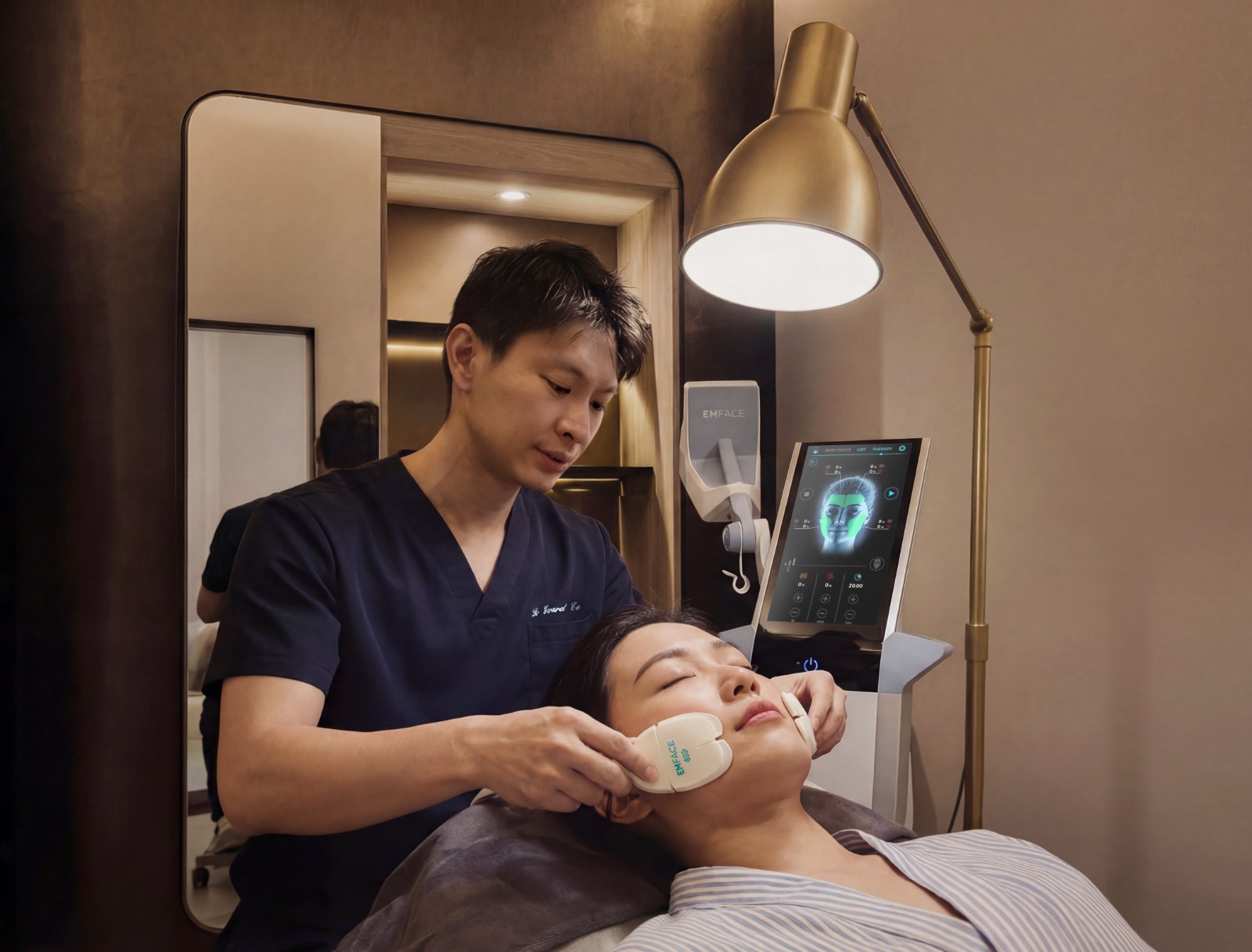
There was a pivotal moment in my aesthetic medicine journey when I realised that beauty is not created on the surface, it is restored from within.
For years, I had practised and performed procedures that focused on collagen stimulation, skin tightening, and structural support. I believed strongly in natural results and graceful ageing. My philosophy has always been that aesthetic medicine should enhance what is already there, not distort it. But like many doctors, my understanding deepened when I became the patient.
I have always maintained my skin with yearly Thermage FLX skin tightening and HIFU treatments. Both are powerful collagen-stimulating technologies that work on the dermal and SMAS layers to tighten and firm. They improve skin laxity and slow the visible signs of ageing. Yet despite consistent maintenance, I began noticing something subtle but important: the heaviness I was seeing was not purely skin.
Ageing does not begin at the surface. It begins deeper in the muscle layer. Facial muscles lengthen and weaken over time. Volume shifts. Support structures descend. Collagen treatments alone, no matter how advanced, cannot fully address muscular laxity.
I found myself searching for a treatment that would lift from within, not just tighten the skin, but strengthen the underlying muscle structure. I wanted something that complemented my Thermage and HIFU (Tightan 2 and Sygmalift), not replaced them. I wanted a treatment with no downtime, no pain, and no disruption to daily life. As a busy clinician, I understand the value of efficiency and safety. I would never offer my patients something I would not undergo myself.
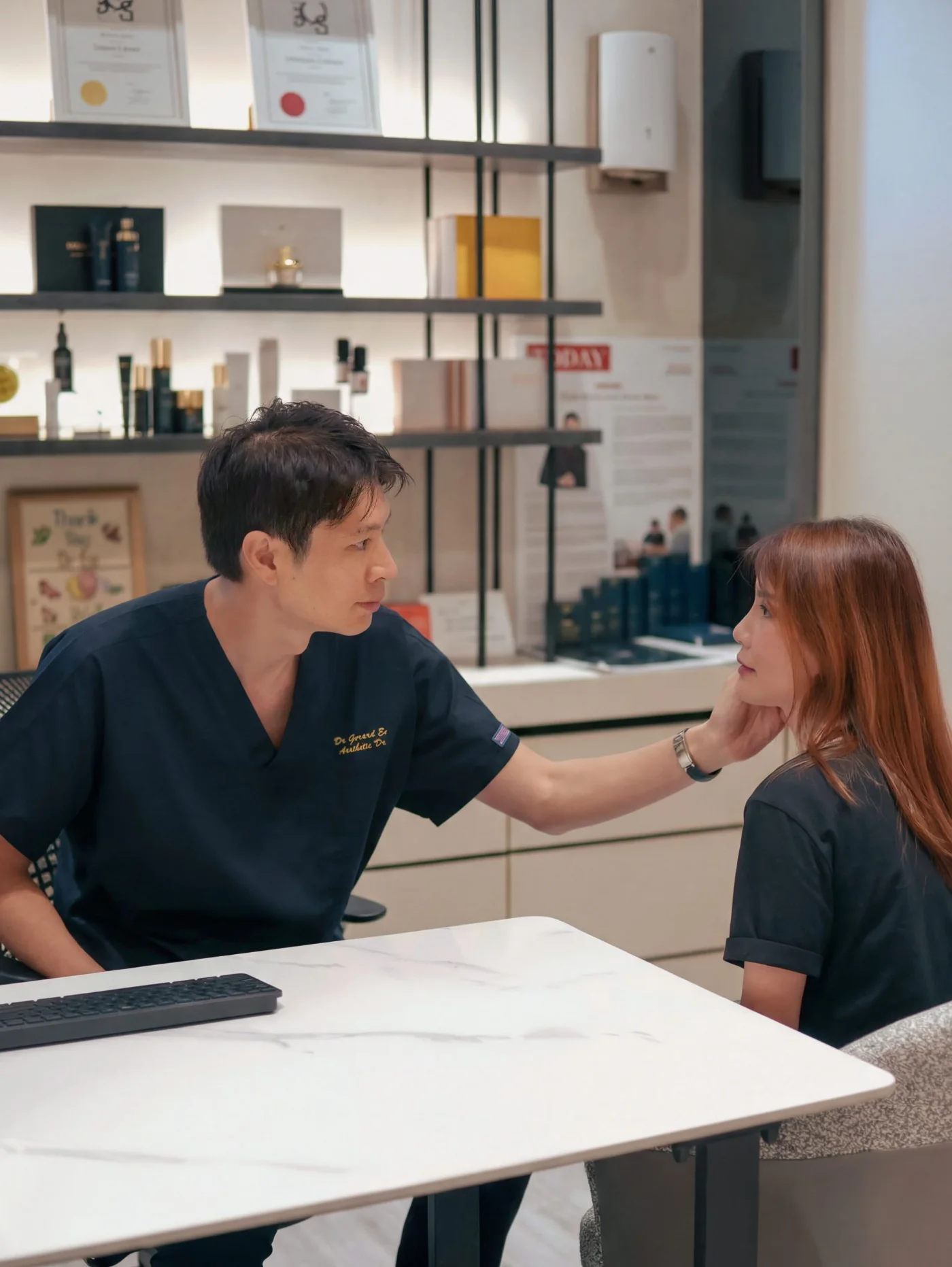
EMFACE was the first treatment I experienced that worked at the muscular level without needles, without energy that damages tissue, and without discomfort.
It combines synchronised radiofrequency to stimulate collagen with high-intensity facial muscle stimulation to strengthen and elevate the elevator muscles of the face.
For the first time, I felt that ageing was being addressed at its origin, the muscle layer where descent truly begins.
That experience changed how I view aesthetic planning.
Previously, treatment discussions often centred around “What procedure do you need?” Now the conversation begins with, “Where is your ageing pattern starting?”
- Is it skin laxity?
- Is it volume loss?
- Is it muscular descent?
- Is it lifestyle-related stress and sleep deprivation?
- Is it rapid weight loss?
- Is it unrealistic expectations shaped by social media?
When I realised that lifting the face could be achieved without injections, without downtime, and without pain. It reframed my approach.
Aesthetic medicine does not have to be invasive to be effective. It does not have to be dramatic to be transformative.
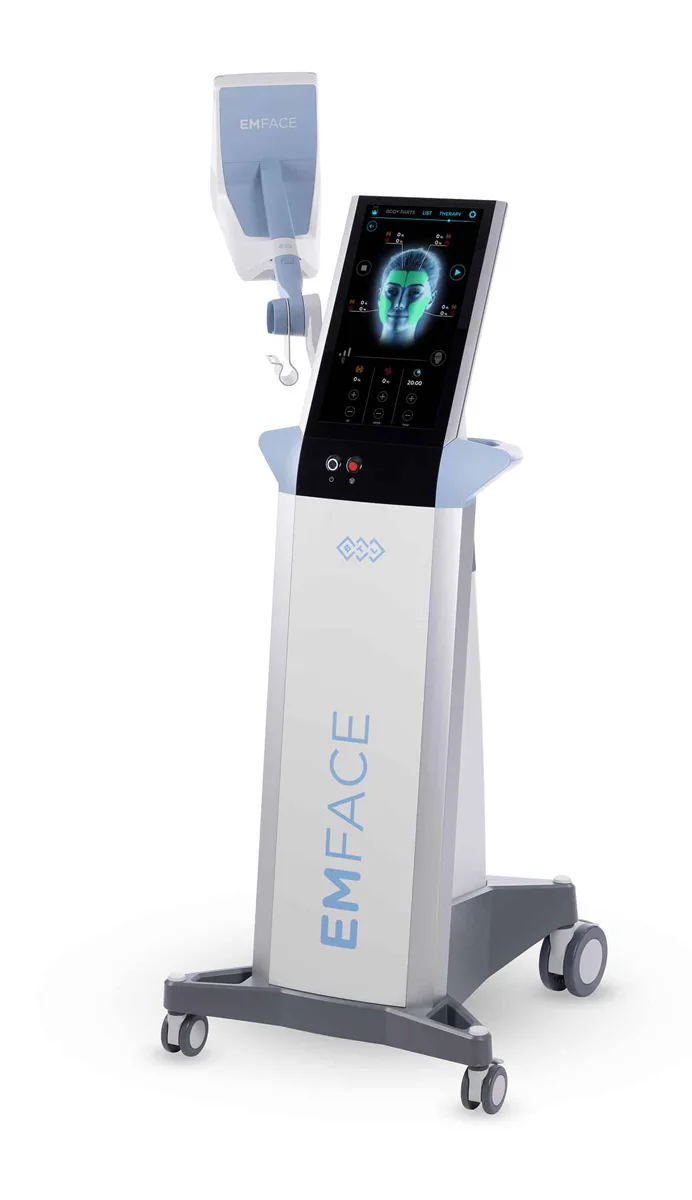
This experience directly shaped the protocols I set at The Clifford Clinic.
First, I moved toward layered treatment planning. Rather than offering isolated procedures, I design structural programmes.
Skin tightening technologies such as Thermage FLX skin tightening and HIFU non-surgical face lifting primarily target collagen remodelling and deeper support structures, but EMFACE treatment helps with facial rejuvenation and muscle stimulation
Muscle stimulation treatments like EMFACE support the elevator muscles. Biostimulators are used only when structural rebuilding is required. Each layer serves a purpose.
Second, I prioritised comfort and safety. I personally believe that aesthetic treatments should integrate seamlessly into life.
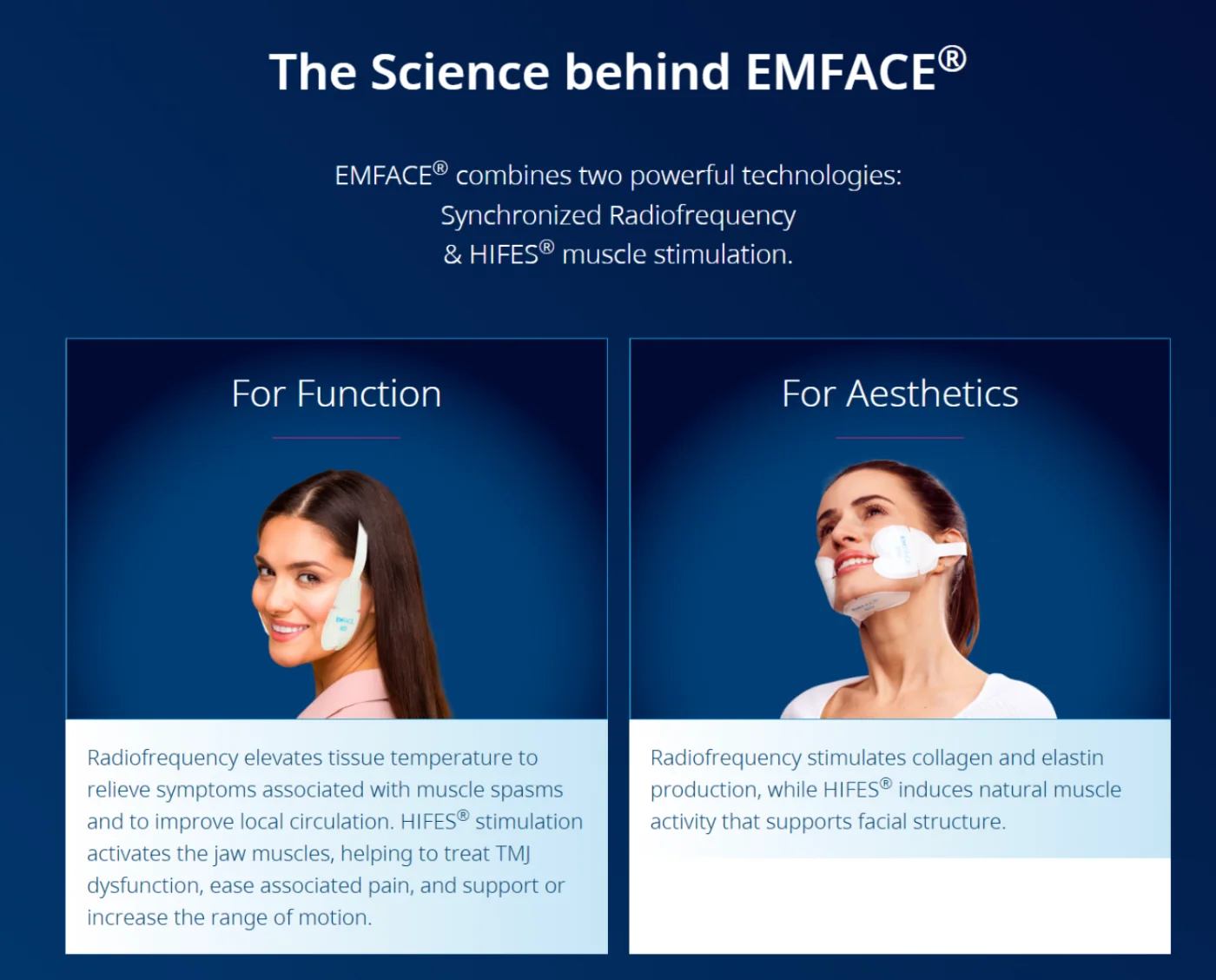
No prolonged downtime. No unnecessary pain. No aggressive overcorrection. Treatments should allow patients to continue working, parenting, exercising, and living normally.
Third, I changed how I consult. I now spend more time understanding what a patient wants in the long term, not only what they point at in the mirror. Some patients do not actually want to look “younger.”
They want to look less tired. More rested. More confident. Some are navigating career transitions.
Others are going through personal life changes. The face often reflects internal stress before the patient consciously articulates it.
Aesthetic medicine, therefore, becomes less about performing procedures and more about understanding timing, readiness, and emotional intention.
My own journey reinforced another principle: consistency over intensity.
I do not believe in chasing trends or aggressive transformations. I believe in maintenance. Gradual collagen support. Gradual muscle strengthening. Natural progression.
Ageing gracefully does not mean resisting age; it means supporting structure as it evolves.
Performing EMFACE facial lifting treatment on myself regularly became a symbolic shift. It represents preventative muscle conditioning — similar to going to the gym for the body. Just as we train our physical muscles to maintain tone and posture, we can now train our facial muscles to maintain lift.
That philosophy changed my own standards. I avoid overtreatment. I avoid volume excess. I avoid stacking injectables when a muscle-based solution may suffice. I assess from deep to superficial: muscle, ligament, fat, dermis, epidermis.
Most importantly, it reinforced that aesthetic medicine should feel empowering, not intimidating. When a patient leaves after a comfortable session, without swelling, without bruising, and with gradual natural improvement, the experience changes their perception of aesthetic care.
It becomes part of self-care rather than a corrective intervention. The pivotal moment was not dramatic. It was subtle. I was sitting in the treatment chair myself and realising that ageing could be supported gently, intelligently, and structurally, without pain and without disruption.
That insight shaped The Clifford Clinic into what it is today: a clinic that believes in natural beauty, structural longevity, and ageing with intention.
Beauty is not created. It is preserved, strengthened, and respected.
And sometimes, the most meaningful shift happens when the doctor becomes the patient.
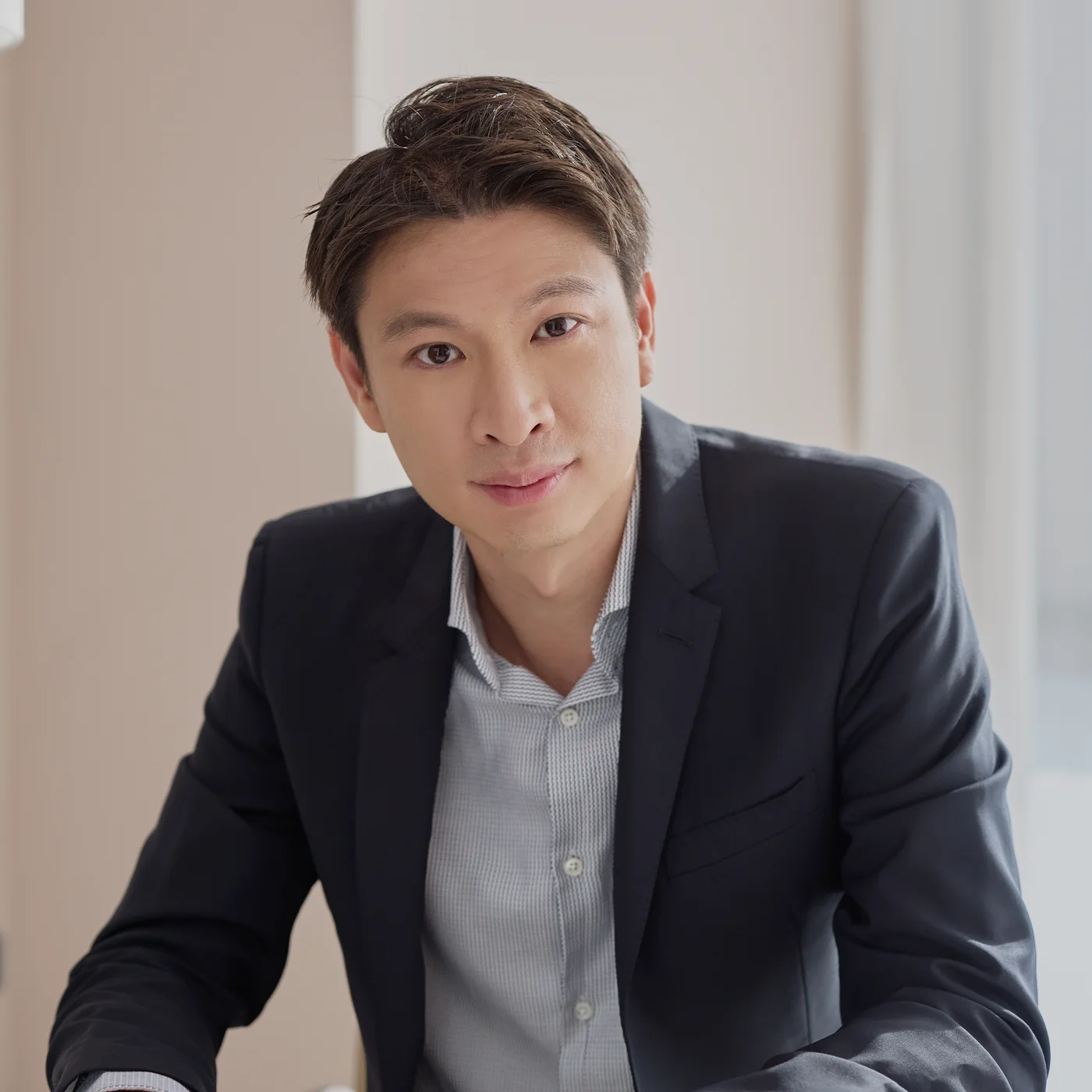
Trusted Care by Dr Gerard Ee
MBBS (UK), MRCS (Edinburgh), PGDip Practical Dermatology (Cardiff)
Qualifications
Dr Gerard Ee is a medical aesthetic doctor specialising in treating acne and acne scar removal in Singapore. He earned his medical degree (MBBS) from St George’s University of London. He pursued further training and became a member of the Royal College of Surgeons (MRCS) in Edinburgh.
Expertise & Approach
Dr Gerard Ee has years of experience specialising in acne and acne scar treatment, medical aesthetics, and skin rejuvenation. He takes a patient-centric approach, building strong relationships based on trust and open communication. He dedicates time to understanding each patient’s concerns and goals to create personalised treatment plans, providing a comfortable and supportive environment where individuals feel empowered to make informed decisions about their skin health.
Dr Gerard Ee consults and performs this treatment at The Clifford Clinic, 50 Raffles Place, Singapore.
Frequently Asked Questions
What is EMFACE and how does it work?
EMFACE is a non-invasive facial treatment that combines synchronized RF (to support collagen and elastin in the skin) with HIFES™ (to activate and tone facial muscles). Both layers are treated simultaneously.
How is this different from devices that only use RF or only stimulate muscles?
Many devices treat either the dermis or muscles in isolation. EMFACE is designed to apply RF and HIFES™ together by addressing skin quality and muscular support in the same session.
Which facial muscles are involved?
Clinical studies assess changes using imaging and measurements such as skin elasticity and muscle response. I will discuss which areas are being targeted based on your facial anatomy and concerns.
Who should not do EMFACE?
EMFACE is not suitable for individuals with certain implants or electronic devices (e.g., pacemakers), active infections in the treatment area, and some neuromuscular conditions. A medical consultation is needed to screen for contraindications.
Can EMFACE be combined with fillers, threads, or lasers?
It can be used alone or as part of a broader plan. When combining treatments such as skin boosters, lasers, or fillers, I will advise on spacing to reduce inflammation overlap and avoid interference with recent injectables or thread placement.
This page is written from published research and from clinical experience in Singapore since 2012. It is for general education, not medical advice. Whether a treatment suits you, what it may achieve and what it may risk can only be established at a consultation. Dr Gerard Ee is the Medical Director of The Clifford Clinic, a private clinic in Singapore, and treatments discussed on this site are provided commercially.
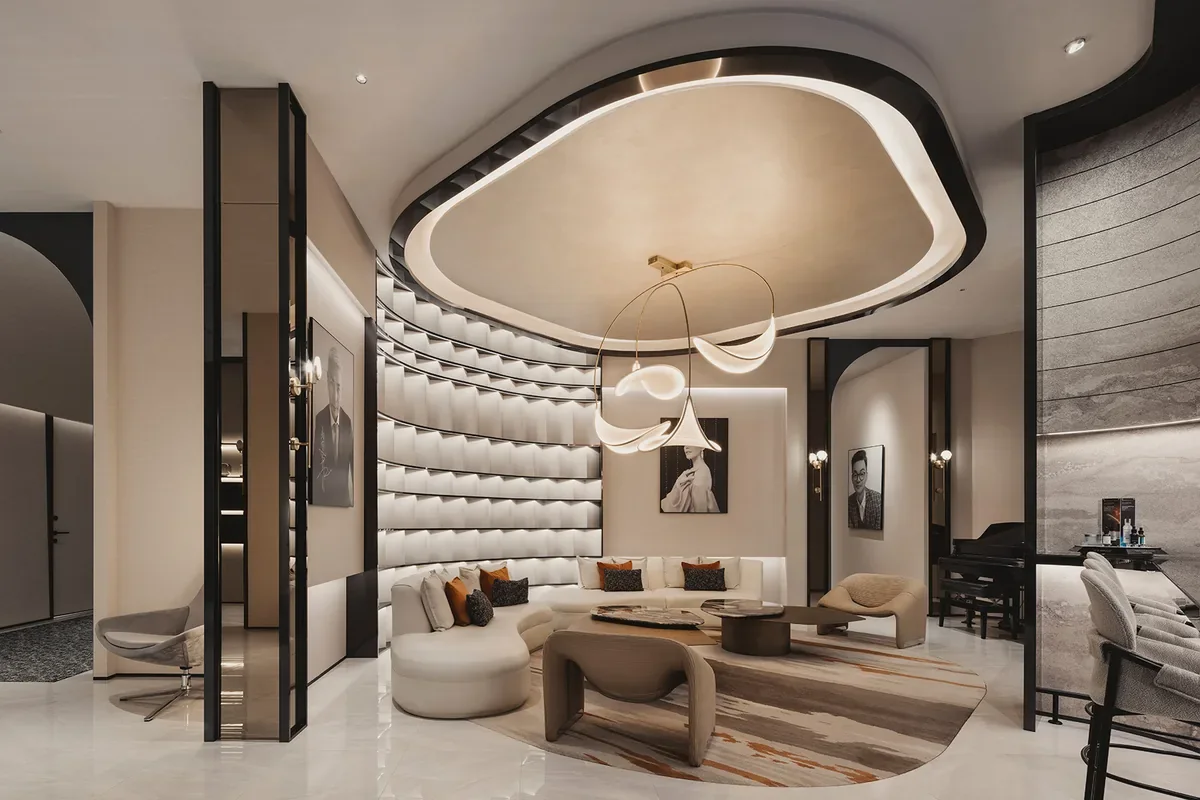
Book a consultation with Dr Gerard Ee at The Clifford Clinic
Dr Gerard Ee consults and performs EMFACE treatment at The Clifford Clinic, 50 Raffles Place, Singapore. Consultations are by appointment. Message the clinic on WhatsApp, or call 6532 2048.

