Dr Gerard Ee consults and treats hormonal acne at The Clifford Clinic, 50 Raffles Place, Singapore.
Acne is not one condition, and hormonal acne is one of the patterns seen most often in adult women. It does not behave like teenage acne, which is exactly why the routines that once worked stop working. The approach starts with recognising the hormonal pattern, then deciding whether the driver itself needs to be addressed, rather than treating the surface alone.
My quick answer
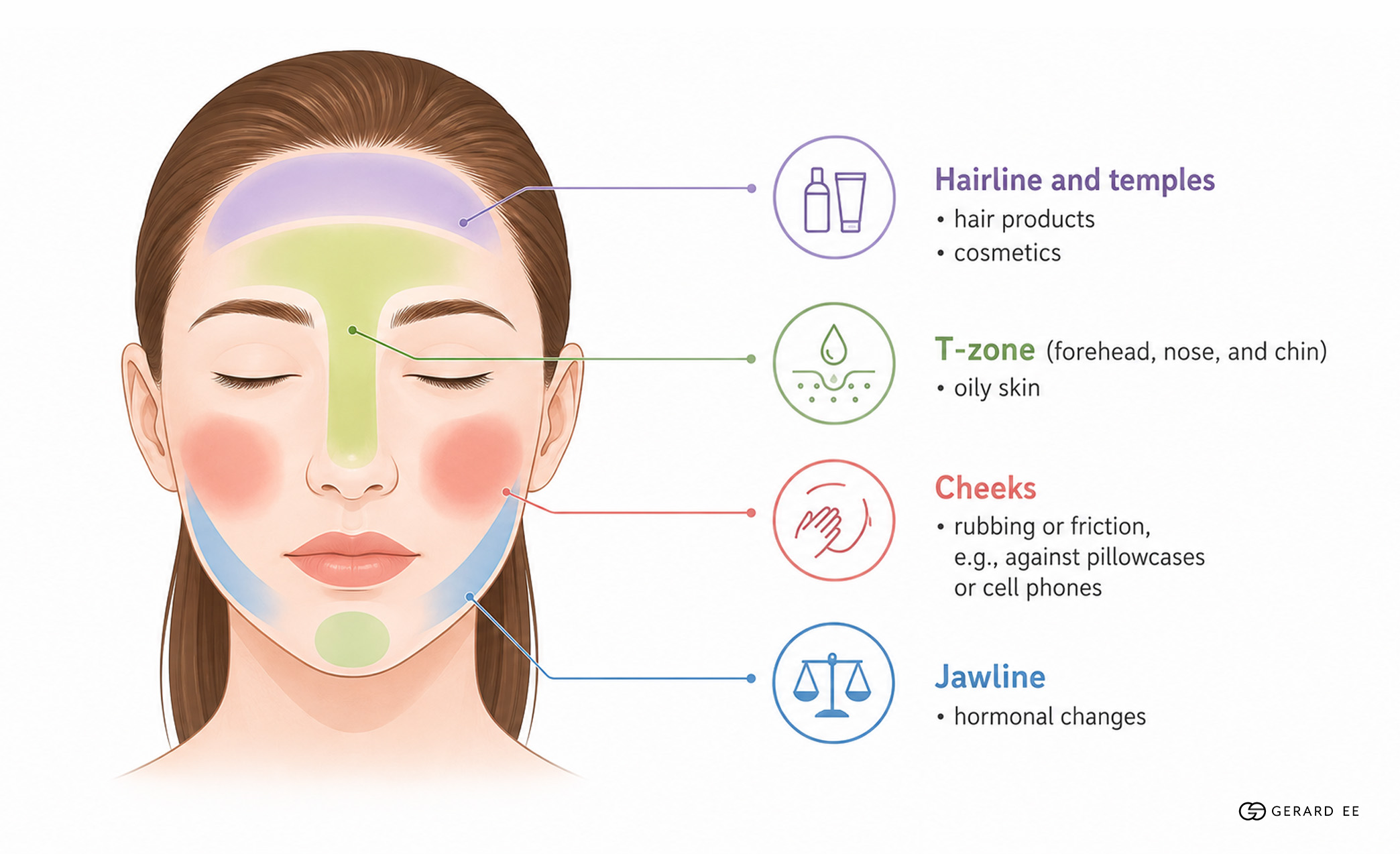
Hormonal acne in women typically appears along the jawline, chin and neck, flares before menstruation and is driven by the skin’s sensitivity to hormones. Hormonal acne is not caused by skincare or by hygiene. Treatment starts with an accurate diagnosis and proper prescription topical skincare and may include targeted treatments such as AGNES RF or AviClear. If there are signs of an underlying condition such as PCOS, I would recommend further medical evaluation.
What I look for during your consultation
The history covers the timing of breakouts in relation to the cycle, menstrual regularity, and any other signs of a hormonal imbalance such as excess hair growth or sudden severe acne. Diet matters, including dairy and whey protein, which in my experience trigger breakouts in many people, along with stress and sleep, which both influence hormonal acne. Where the lesions sit and how deep they are is noted. The full picture, rather than any single sign, points towards a hormonal driver.
How I classify hormonal acne
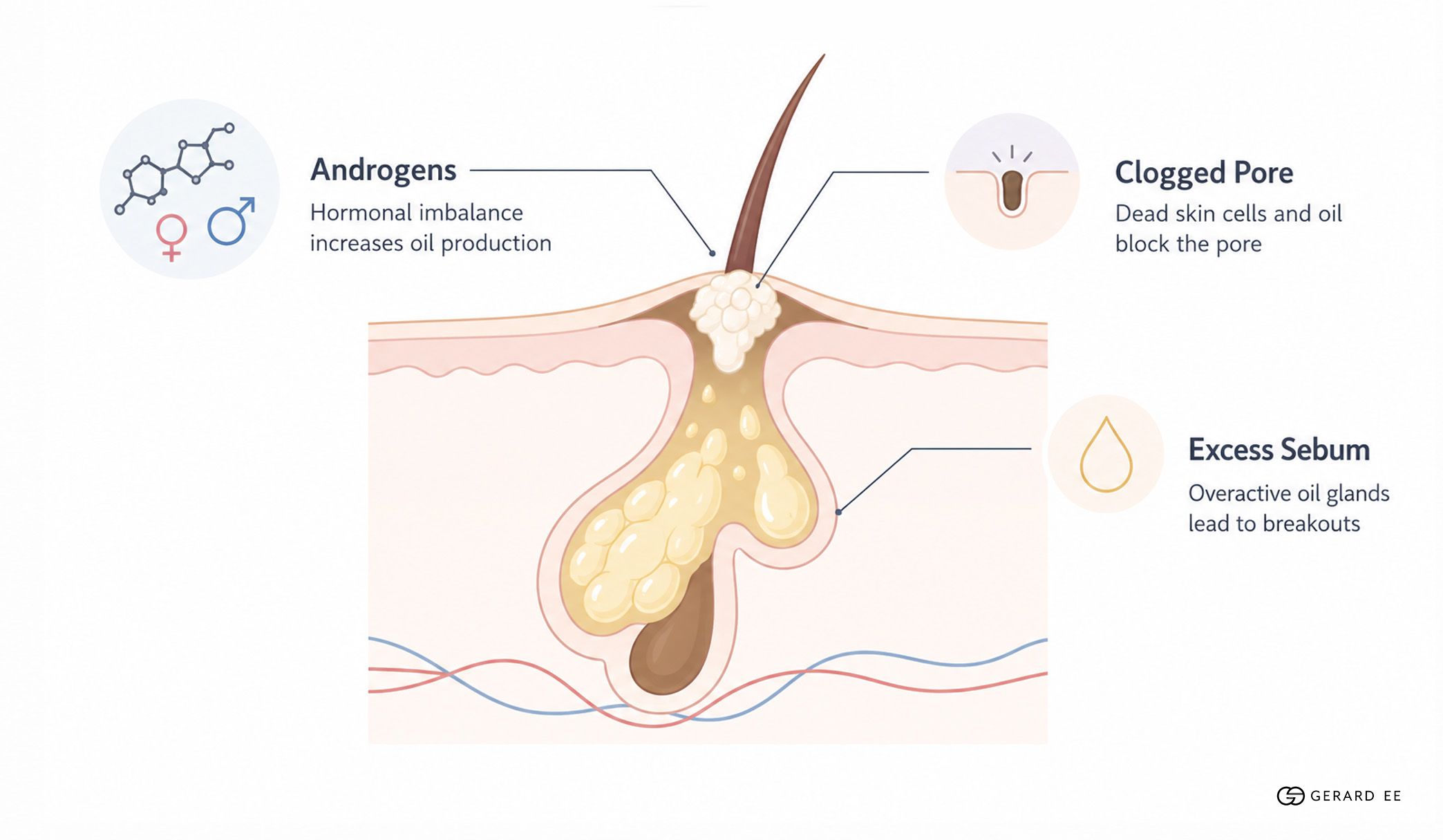
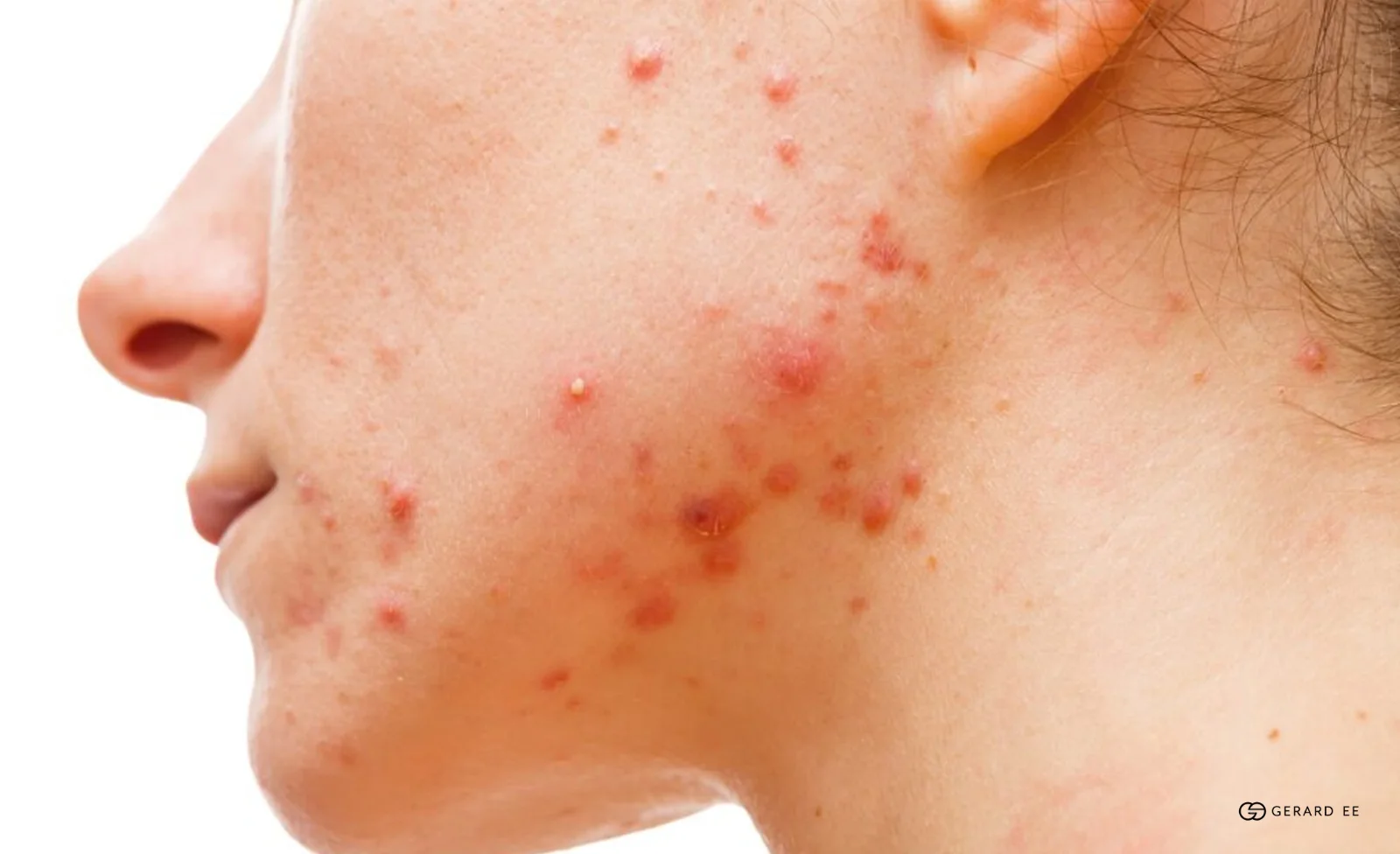
Hormonal acne tends to favour the lower face, particularly the jaw and chin and worsens cyclically around the period. The lesions are often deeper and more tender than simple surface bumps. It is distinguished from comedonal acne, which is mainly blocked pores and from straightforward oily acne because hormonal acne is driven from the inside and frequently resists the products that clear other types.
When a woman tells me her breakouts sit along the jaw and flare before her period and that nothing she tries helps, I start thinking about a hormonal driver. If there are also irregular periods or other signs of androgen excess, I will suggest looking into PCOS rather than just treating the skin. Treating the surface without addressing the driver is why so many people feel they are running in circles.
When I would consider treatment
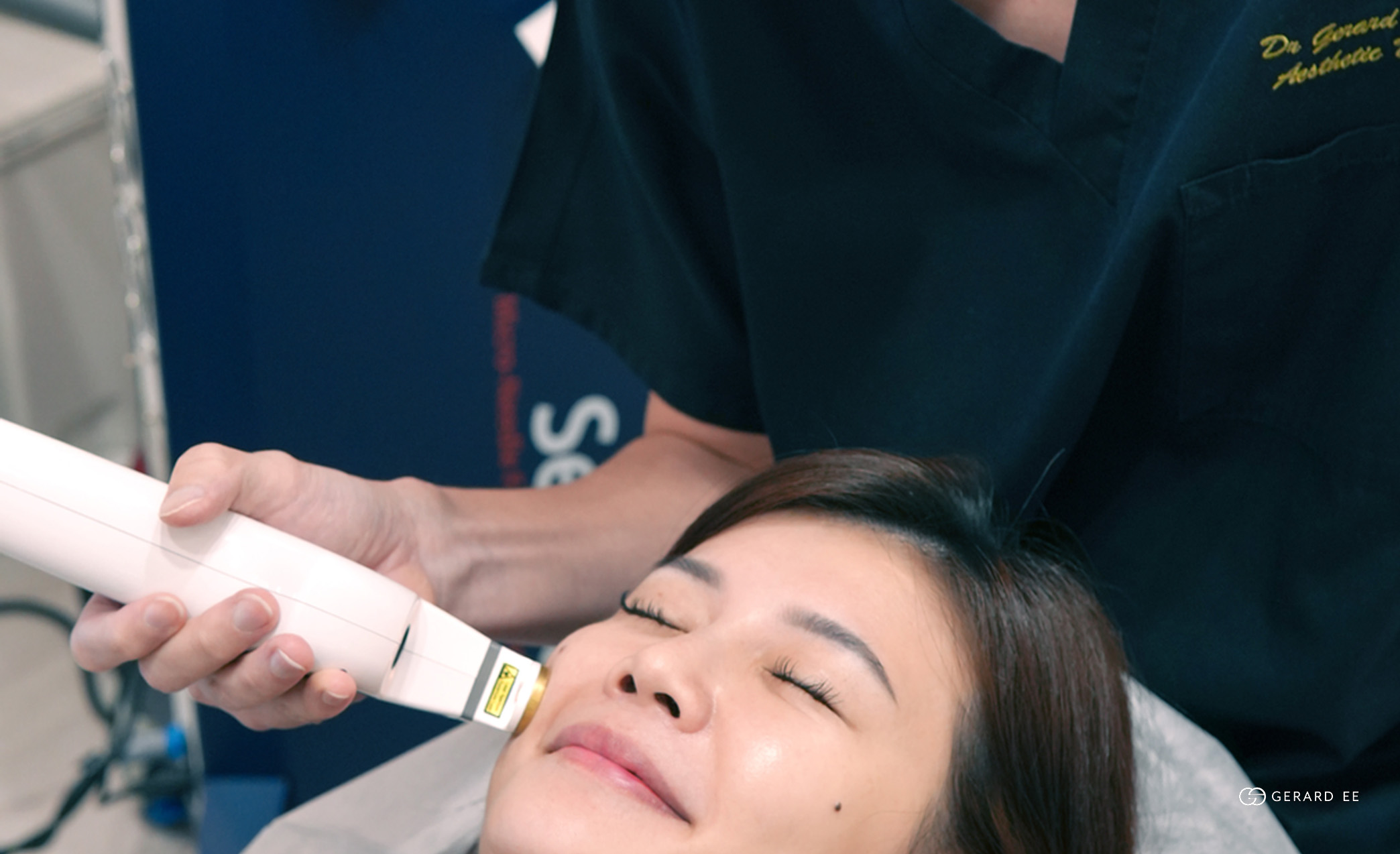
Hormonal acne is treated actively, because it carries a real risk of deeper, scarring lesions. Medical skincare is the foundation. Where the acne keeps returning to the same areas, AGNES can shrink the specific overactive glands, and where the skin is generally oily AviClear suits better. Where a clear hormonal driver is present, management of that driver is coordinated as part of the plan. Marks left behind are treated later, with Vbeam for redness and Q-Switch for brown pigment.
When I would look deeper or refer
It would be a mistake to simply keep treating the skin if there are clues of an underlying hormonal condition. Irregular or absent periods, excess hair growth, unexplained weight change and sudden severe acne are reasons to investigate further, which may include blood tests and referral to a gynaecologist or endocrinologist. Addressing an underlying condition such as PCOS often makes the skin much easier to treat and it is not something to overlook.
Common mistakes I see
The most common mistake is months of facials and extractions, which do nothing for a problem driven from the inside. The second is ignoring diet triggers such as dairy, sugar and whey protein, which are worth attention without becoming a source of anxiety. The third is treating the surface for a year while never investigating a possible hormonal cause. And as always, squeezing deeper lesions only raises the risk of scarring.
What you can realistically expect
Hormonal acne rarely clears overnight. Skincare and targeted treatments take several weeks to work, and where a hormonal driver is being managed, improvement is usually gradual over a couple of months before it consolidates. This is normal. The most common reason for failure is stopping too early or switching approaches before any has had time to work, so I set clear checkpoints and adjust if they are not being met.
Treating the marks hormonal acne leaves
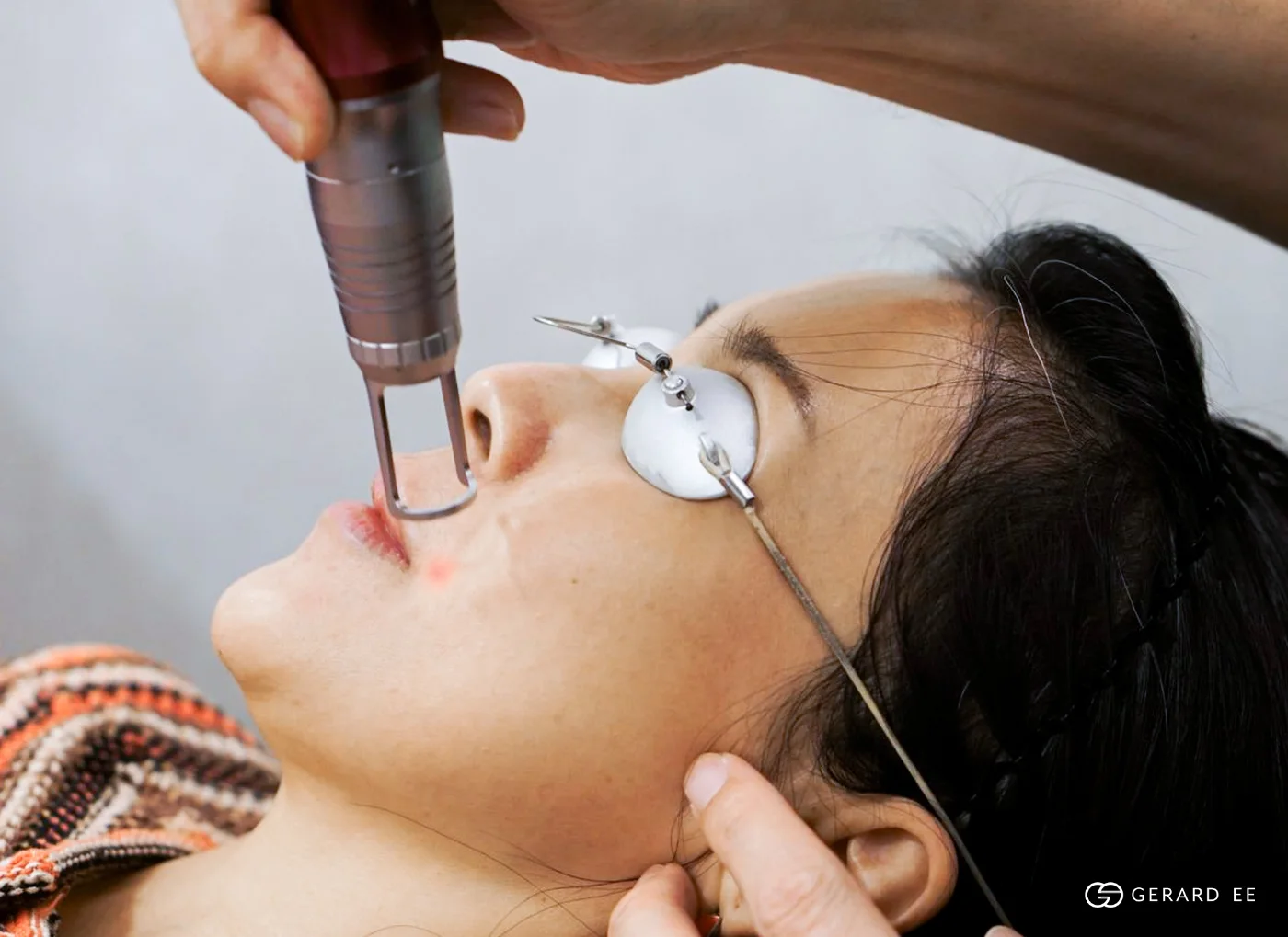
Because hormonal acne is often deep and inflamed, it tends to leave marks. These are usually flat red or brown marks rather than true scars, meaning there is no change in skin texture. Once the active acne is controlled, the marks can be treated, with Vbeam for redder marks and sensitive skin and Q-Switch for browner pigmentation. If genuine scarring has developed, I build a separate scar plan once the acne has settled, since active acne is always treated before scars. Protecting the skin from the sun with a light, non-comedogenic product helps prevent brown marks from darkening while they are being treated.
When to see a doctor
See a doctor if your breakouts cluster along the jaw and chin, flare before your period, and resist the routines that work for others, especially if there are signs such as irregular periods. Hormonal acne can persist for years and often does not settle without treatment and because it can scar, active treatment is usually advised rather than waiting.
Why hormonal acne resists ordinary routines
Hormonal acne is driven from the inside, by the skin’s sensitivity to hormones that fluctuate through the menstrual cycle. This is why it behaves so differently from teenage or comedonal acne, and why the cleansers and spot treatments that clear surface acne make little difference to it. The breakouts are often deeper, more cyclical and more persistent and they cluster where the skin is most hormonally responsive, along the jaw, chin and neck. Because the trigger sits below the surface, the most effective control often comes from calming that trigger as well as treating the skin, which is precisely the part that so many over the counter routines miss entirely.
How hormones influence acne, and what they do not explain
Hormones influence acne, but acne severity alone does not reliably indicate androgen excess. In a study of ninety adult women with acne, the more severe cases did not show higher readings on the androgen measures assessed. [1] A normal result does not mean hormones play no part in your acne, and an abnormal one does not by itself explain it.
Breakouts before a period. Androgens increase sebum production, and more sebum makes a follicle more likely to block and inflame. Oestrogen and progesterone fall in the days before a period, and circulating androgens themselves shift across the cycle rather than staying flat. [2] A small observational study that counted lesions at several points across two cycles documented the premenstrual worsening many women describe. [3] Keeping a simple record of when your breakouts arrive helps you describe the pattern at a consultation.
Insulin-like growth factor 1. IGF-1 is the other signal that comes up. A 2005 case-control study found IGF-1 correlated with acne lesion counts in women, but the study was small — thirty-four people in total, of whom eight women had acne and ten did not — and the difference in average IGF-1 between women with and without acne did not reach statistical significance. [4] It is a line of research, not a settled explanation. Whether any testing is worthwhile is a question for assessment.
Around the menopause. Acne is often assumed to worsen at menopause. A 2026 systematic review covering six skin conditions reported that acne generally decreases after menopause, as sebaceous activity falls. That conclusion rests on three acne studies within the review, and its authors note how hard it is to separate the effect of menopause from the effect of ageing, which lowers sebum output on its own. [5] It describes a tendency across groups of women, not a prediction for any one woman — acne can still persist through this stage, or appear for the first time in it. Signs of androgen excess that are new or getting worse after the menopause — sudden acne, increased facial or body hair, hair thinning — are worth assessing rather than putting down to age. [6]
If you are pregnant, planning a pregnancy or breastfeeding, say so before anything is prescribed. Some acne medicines are not suitable at these times and the plan is built differently. See acne and pregnancy.
For treatment choices, continue to hormonal acne treatment in Singapore.
Diet, stress and sleep
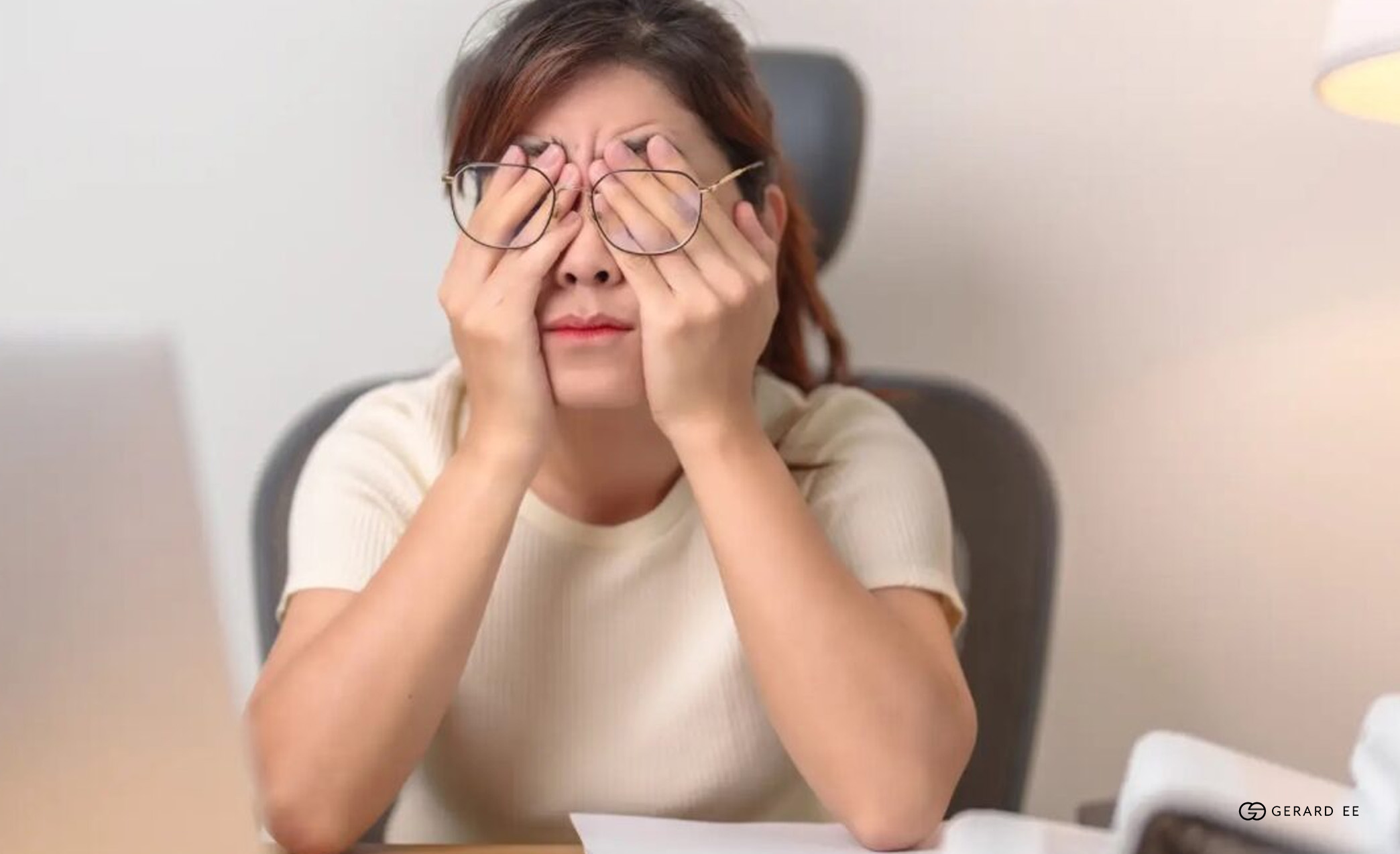
Several everyday factors influence hormonal acne and are worth attention. In my experience dairy, sugar and whey protein trigger breakouts in many people, and reducing them can help, without turning eating into a source of fear. Stress raises hormones that worsen acne, and poor sleep does the same, so both are genuinely worth managing alongside treatment. None of these replace medical care, but they make the overall picture easier to control. Ignoring them is a common reason progress stalls even when the clinical treatment is sound.
What the evidence shows
Spironolactone and the combined contraceptive pill can improve persistent acne in suitable women. Topical medicines also have a role. A hormonal pattern does not by itself decide which treatment you need. For the evidence and treatment choices, see the hormonal acne treatment guide.
How hormonal treatments are used and monitored
Treatment starts with a review of your health, current medicines and pregnancy plans. Follow-up checks improvement and side effects, with monitoring tailored to the medicine and your health. Tell your doctor if you are pregnant, planning pregnancy or breastfeeding. For medicine-specific details, read about contraceptive pills for acne and spironolactone for acne.
Get to the root of jawline and premenstrual breakouts.The Clifford Clinic, 50 Raffles Place, Singapore Land Tower. Call (65) 6532 2048 or WhatsApp (65) 8318 6332 to arrange a consultation.
Related reading
- Hormonal acne treatment in Singapore
- PCOS and Acne (Dr Gerard Ee)
- Contraceptive Pills for Acne (Dr Gerard Ee)
- AviClear (Dr Gerard Ee)
- Acne Treatment Singapore
- Acne treatment and scar prevention: The Clifford Clinic’s guide
- Acne articles and guides by Dr Rachel Ho
- Acne Treatments in Singapore (The Skin Longevity Clinic)

Dr Gerard Ee, Aesthetic Doctor in Singapore
Dr Gerard Ee is an aesthetic doctor in Singapore and the Medical Director of his practice at 50 Raffles Place. He graduated from St George’s, University of London, trained in surgery at Singapore General Hospital and the National University Hospital, and holds the MRCS (Edinburgh) and a postgraduate diploma in practical dermatology from Cardiff University.
He has practised aesthetic medicine since 2012, is the author of sixteen peer-reviewed papers, and writes and medically reviews every article on this site. Read more about Dr Gerard Ee.

Book a consultation with Dr Gerard Ee at The Clifford Clinic
Dr Gerard Ee consults and treats hormonal acne at The Clifford Clinic, 50 Raffles Place, Singapore. Consultations are by appointment. Message the clinic on WhatsApp, or call 6532 2048.
Frequently asked questions
How do I know if my acne is hormonal?
Hormonal acne typically sits along the jawline and chin, flares before your period, and resists routines that work for other types. A consultation that includes history taking is the most reliable way to confirm it.
Does hormonal acne mean I have PCOS?
Not necessarily. PCOS is one possible cause. Clues such as irregular periods, excess hair growth and sudden severe acne may prompt further evaluation, but only proper assessment can confirm it.
What is the best treatment for hormonal acne?
It depends on the pattern. Medical skincare is the foundation, with AGNES for recurring localised lesions and AviClear for diffuse oily skin. If a hormonal condition is found, treating it makes the skin easier to manage.
Will hormonal acne go away on its own?
It can persist for years and often does not settle without treatment. Because it can scar, active treatment is usually advised.
References
- HealthHub Singapore. Acne. https://www.healthhub.sg/a-z/diseases-and-conditions/acne
- American Academy of Dermatology. Guidelines of care for the management of acne vulgaris. https://www.aad.org/member/clinical-quality/guidelines/acne
- Acne vulgaris. https://dermnetnz.org/topics/acne
- Spironolactone for acne in adult women: randomised controlled trial. BMJ. https://pmc.ncbi.nlm.nih.gov/articles/PMC10599794/
- Combined oral contraceptive pills for treatment of acne. Cochrane Review. https://www.cochrane.org/evidence/CD004425_effect-birth-control-pills-acne-women
- Antibiotics versus oral contraceptives in acne vulgaris: meta-analysis. J Am Acad Dermatol. PubMed. https://pubmed.ncbi.nlm.nih.gov/24880665/
- Topical clascoterone cream for acne: phase 3 randomised clinical trials. JAMA Dermatology. https://jamanetwork.com/journals/jamadermatology/fullarticle/2765025
- Management of acne vulgaris: a review. JAMA. https://jamanetwork.com/journals/jama/fullarticle/10.1001/jama.2021.17633
Sources for the section on how hormones influence acne:
- Cibula D, Hill M, Vohradnikova O, Kuzel D, Fanta M, Zivny J. The role of androgens in determining acne severity in adult women. Br J Dermatol. 2000;143(2):399-404. PMID 10951152.
- Salonia A, et al. Menstrual cycle-related changes in circulating androgens in healthy women. J Sex Med. 2008;5(4):854-863. PMID 18371044.
- Lucky AW. Quantitative documentation of a premenstrual flare of facial acne in adult women. Arch Dermatol. 2004;140(4):423-424. PMID 15096370.
- Cappel M, Mauger D, Thiboutot D. Correlation between serum levels of insulin-like growth factor 1, dehydroepiandrosterone sulfate, and dihydrotestosterone and acne lesion counts in adult women. Arch Dermatol. 2005;141(3):333-338. PMID 15781674.
- Roster K, et al. Menopause and Common Dermatoses: A Systematic Review. Am J Clin Dermatol. 2026;27(1):67-84. PMID 41331233.
- Teede HJ, et al. Recommendations from the 2023 International Evidence-based Guideline for the Assessment and Management of Polycystic Ovary Syndrome. Hum Reprod. 2023;38(9):1655-1679. PMID 37580037.
Use the separate spironolactone and contraceptive pill guides for medicine-specific questions, and the hormonal acne treatment guide for the wider discussion.
Medical disclaimer: This article is for general education and does not replace an in-person consultation. Treatment suitability, results and risks vary between individuals. Please speak with a qualified doctor before starting any acne treatment.