This article has been revised because its previous headline suggested stopping sunscreen. The corrected guidance is to maintain sun protection and review any particular product that causes problems.
Acne-prone skin still needs sun protection. If a particular sunscreen seems to worsen breakouts or irritate your skin, review that product and your routine rather than assume that all sunscreen should be stopped.
Some formulations may be unsuitable for your skin. That is a reason to find a suitable alternative, not to use sun exposure as acne treatment.
What to look for in a sunscreen for acne-prone skin
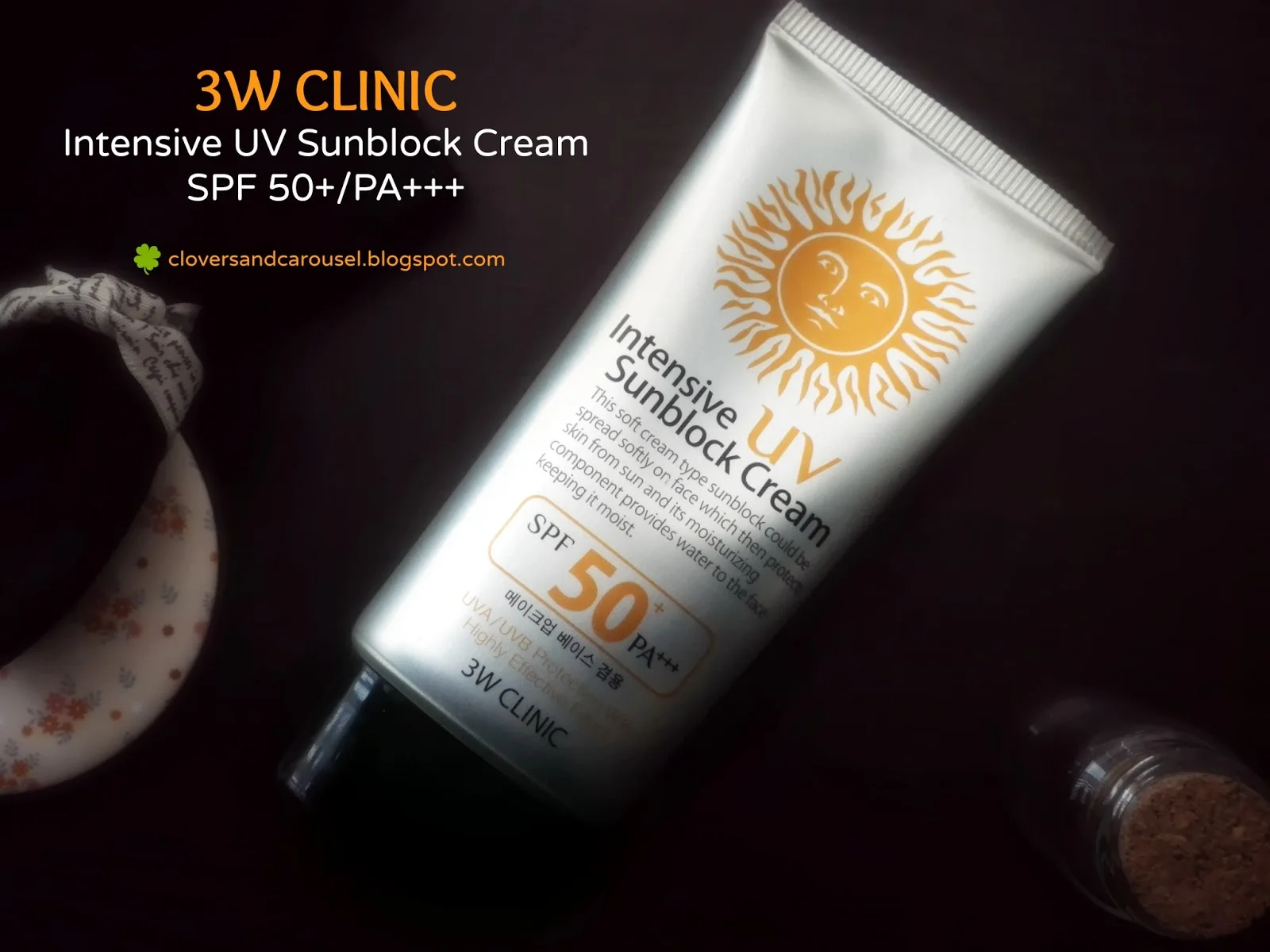
Choose broad-spectrum protection with SPF 30 or higher. A product labelled non-comedogenic can be a useful starting point for acne-prone skin. Water resistance matters when you are sweating or swimming. The American Academy of Dermatology recommends this type of sun protection during acne treatment. [1]
The label helps narrow the choices, but a product still needs to be comfortable enough for regular use. Keep a record of any formula that causes persistent stinging, rash or other difficulties.
What to do if a sunscreen seems to cause spots
Note when the product was introduced and whether you changed acne medicines, moisturiser or other skincare at the same time. Bring the product or its ingredient list to a clinician if the problem persists. A history of what changed helps the discussion without assuming the cause from timing alone.
Irritation, a product reaction and acne are different possibilities. Avoid repeatedly adding more products to compensate for a routine that has become uncomfortable. Stop using a product that appears to cause a significant reaction and seek appropriate advice.
Mineral or chemical sunscreen for acne-prone skin
That label alone does not establish how a complete formulation will suit you. Consider the protection provided, how the product feels and any previous reactions. Ask for help choosing an alternative if several products have been difficult to tolerate.
An expensive product is not automatically a better fit. A practical choice is one that provides the required protection and can be used consistently.
How sunscreen fits with acne medication
Sunscreen does not replace acne treatment. Some acne medicines can also make sun protection particularly important. Follow the instructions for your actual medicine and discuss persistent dryness or irritation with the treating clinician. [1]
If isotretinoin is part of the plan, read the isotretinoin guide for related questions. Do not change prescribed treatment solely because a sunscreen has become uncomfortable.
Sun protection in Singapore beyond sunscreen
Use sunscreen alongside shade and suitable clothing. Apply enough and reapply according to its directions, including after swimming or sweating. Water resistance does not mean that a single application lasts indefinitely. [2]
For related skincare questions, browse the Acne Library. For treatment information, read the acne treatment page.

Dr Gerard Ee, Aesthetic Doctor in Singapore
Dr Gerard Ee is an aesthetic doctor in Singapore and the Medical Director of his practice at 50 Raffles Place. He graduated from St George’s, University of London, trained in surgery at Singapore General Hospital and the National University Hospital, and holds the MRCS (Edinburgh) and a postgraduate diploma in practical dermatology from Cardiff University.
He has practised aesthetic medicine since 2012, is the author of sixteen peer-reviewed papers, and writes and medically reviews every article on this site. Read more about Dr Gerard Ee.

Acne treatment in Singapore: book a consultation with Dr Gerard Ee
Dr Gerard Ee consults and treats acne at The Clifford Clinic, 50 Raffles Place, Singapore. Consultations are by appointment. Message the clinic on WhatsApp, or call 6532 2048.
This page is written from published research and from clinical experience in Singapore since 2012. It is for general education, not medical advice. Whether a treatment suits you, what it may achieve and what it may risk can only be established at a consultation. Dr Gerard Ee is the Medical Director of The Clifford Clinic, a private clinic in Singapore, and treatments discussed on this site are provided commercially.