Written by Dr Gerard Ee | Medically reviewed by Dr Gerard Ee | Expert opinion by Dr Gerard Ee
Dr Gerard Ee is an aesthetic doctor and the founder and medical director of The Clifford Clinic, which he established 14 years ago. He has treated acne scars for 16 years and more than 2,000 acne-scar patients, and is one of Singapore’s longest-standing users of the Infini RF microneedling system (16 years). He holds a Diploma in Dermatology (Cardiff) and is a Member of the Royal College of Surgeons (MRCS). More on Dr Gerard Ee.
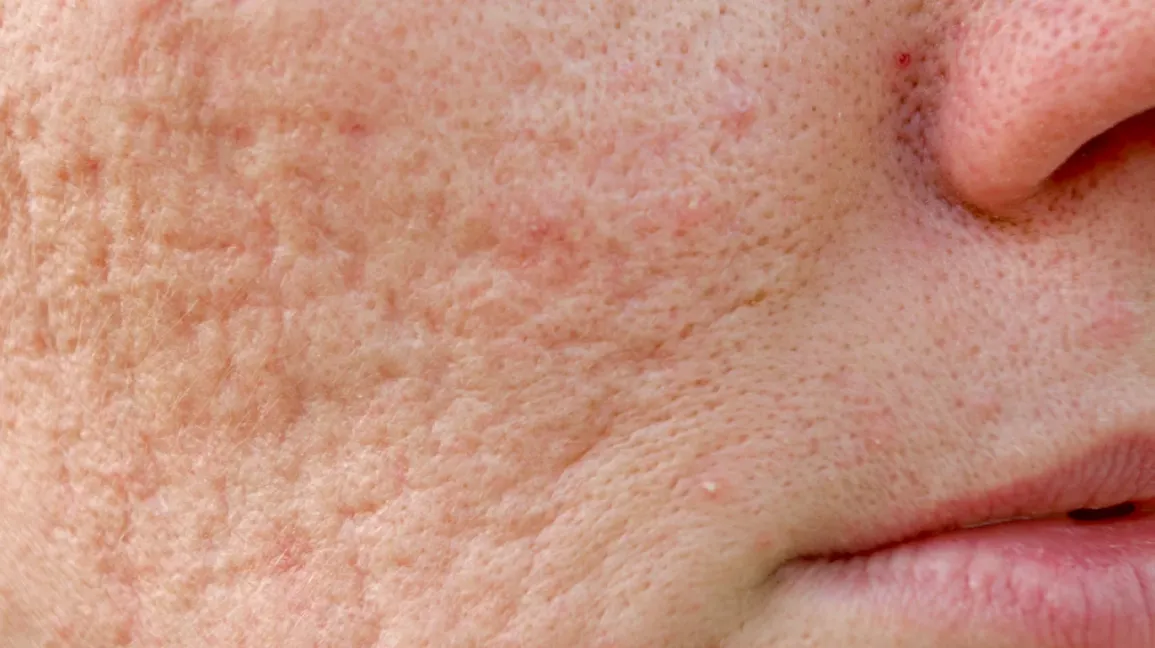
Few questions arrive more often in a scar consultation, and the answer divides in two. Some of what acne leaves behind resolves without any intervention, and some of it does not. Establishing which of the two a patient is dealing with prevents both false hope and unnecessary worry. The most useful response is a plan rather than a single answer, covering what time corrects, what needs treatment, and how scarring is prevented. Over sixteen years and more than two thousand acne-scar patients, I have found that this distinction, drawn accurately at a first visit, decides more about the eventual outcome than the choice of device that follows.
What fades on its own
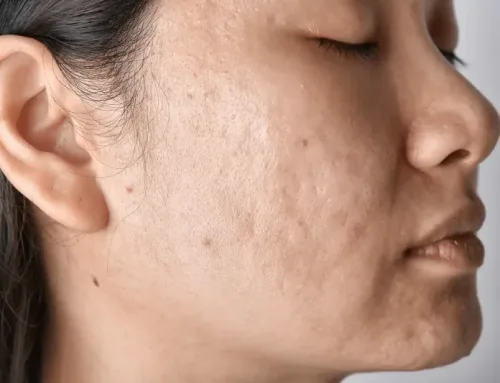
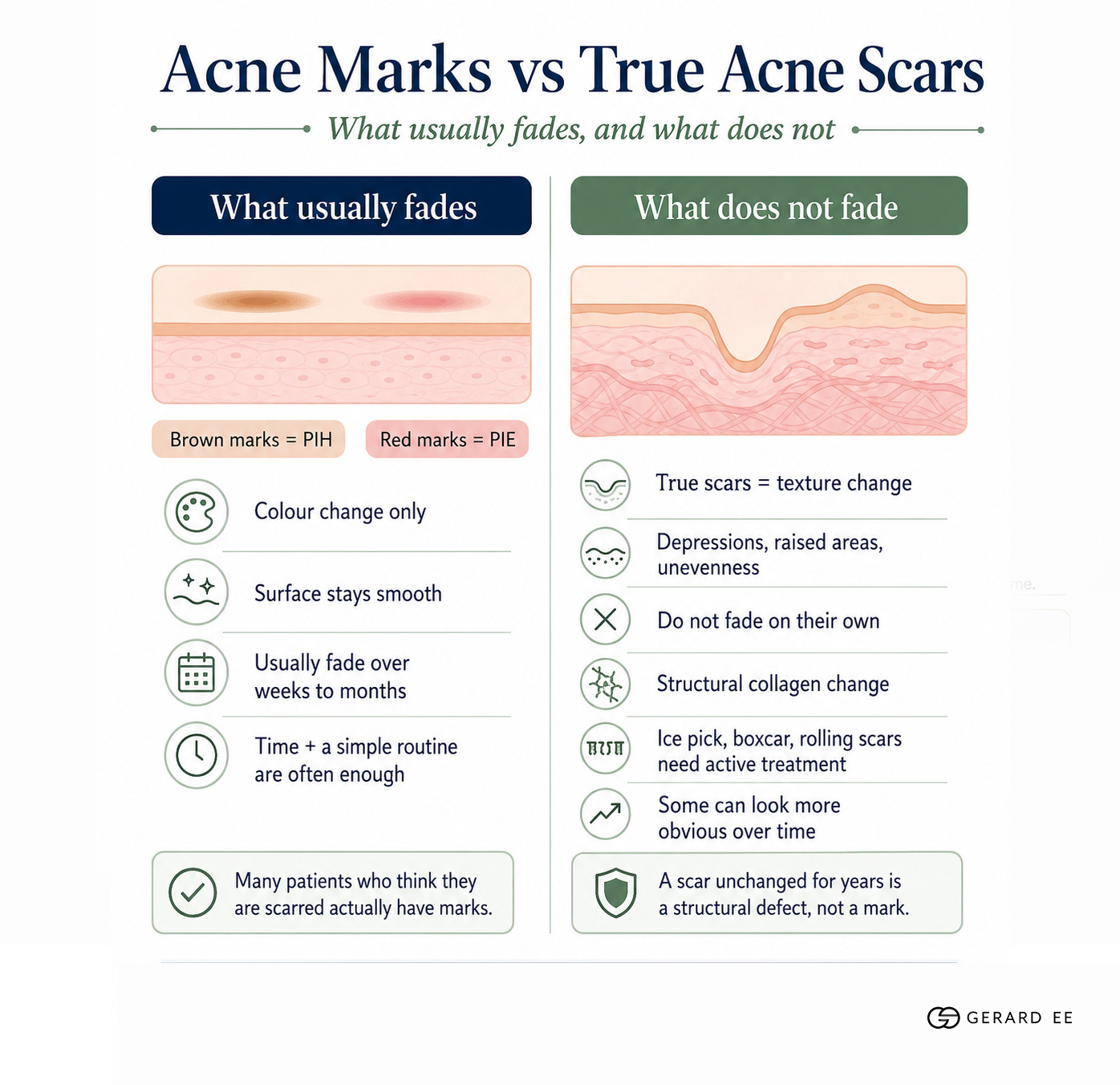
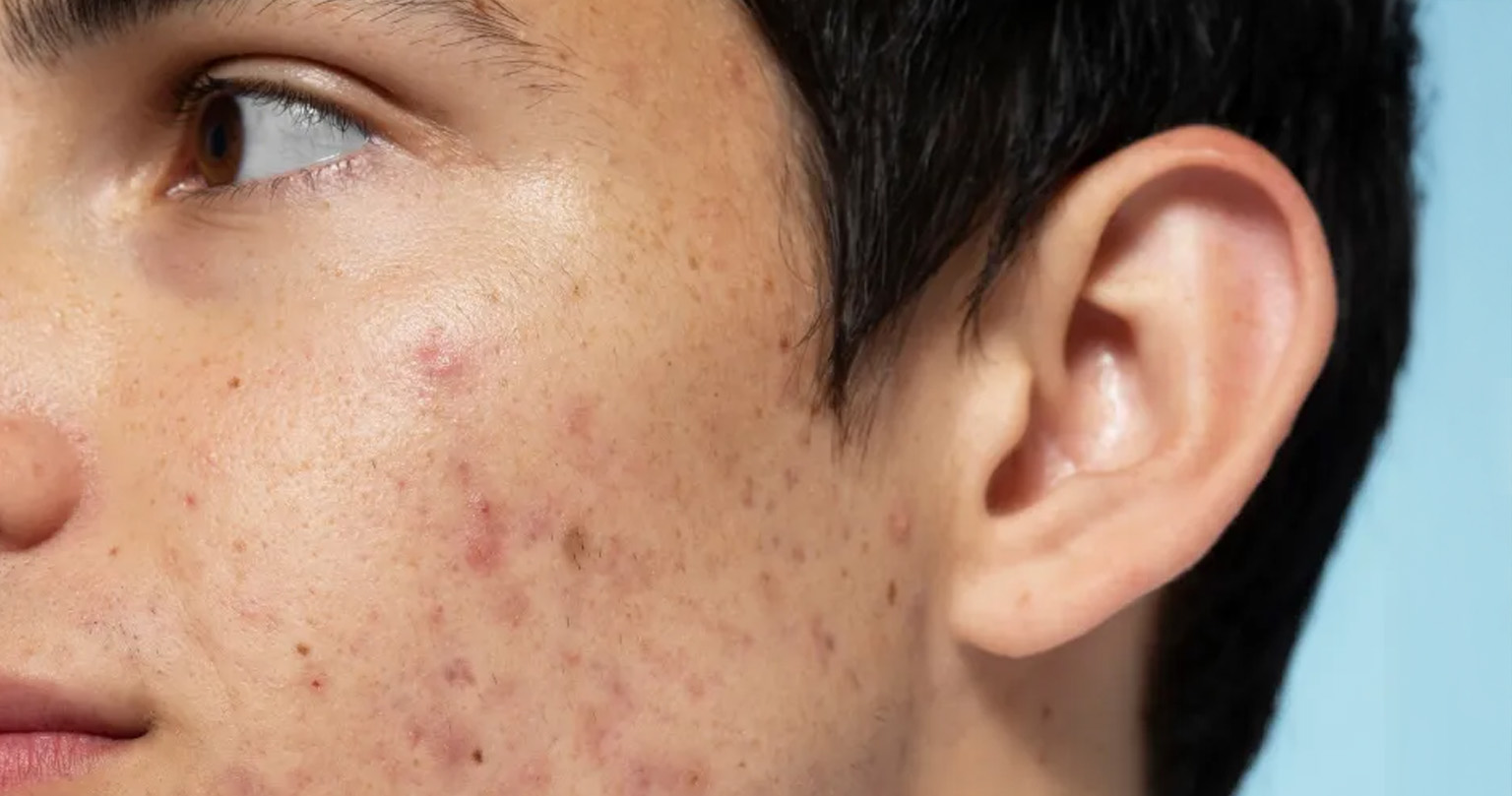
The flat marks acne leaves behind, brown post-inflammatory pigmentation and red post-inflammatory erythema, usually resolve over weeks to months. Both are alterations of colour in skin whose structure is intact, and the skin clears them unaided. Where the complaint is discolouration on a surface that remains smooth, time and an unremarkable routine are frequently sufficient. Of the patients who consult me convinced that they are scarred, a substantial share prove to have marks of precisely this kind, and establishing that is often the most useful thing the appointment produces.
What does not fade
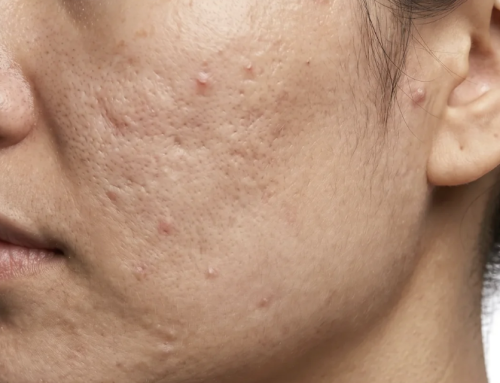
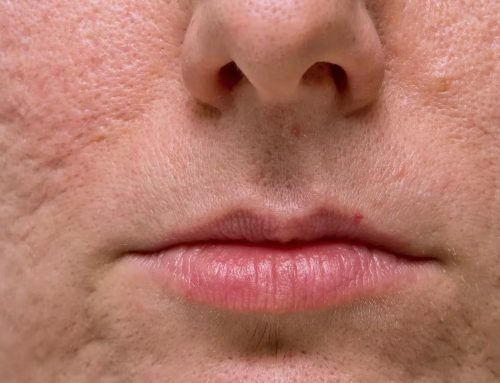
True scars, which is to say depressions, raised areas and uneven texture, do not resolve unaided. Once collagen has been destroyed or laid down out of position, the body makes no attempt to restore the contour. Deferring treatment of an ice pick, boxcar or rolling scar therefore costs time and gains nothing, and some scars grow slightly more conspicuous over the years as the face loses volume and firmness. When a patient tells me that a scar has stood unchanged for years, that stability is itself the diagnosis, since a structural defect has nothing to fade. The types of acne scars guide explains the structural scars that need active treatment.
Can scars be removed completely?
Significant improvement is achievable in true scars, often to the point where they are no longer conspicuous in ordinary light, but erasure is not, and a clinic offering total removal is a reason for caution. A well-constructed plan yields around twenty to thirty per cent improvement across six months of energy-based treatment, more once biostimulators and PDRN are added, with most change emerging between the third and sixth month. Outcomes vary around that figure, and a minority of patients gain less than a correctly matched plan predicted. I cannot reliably predict at a first consultation which patients will sit at the upper end of that range and which at the lower, which is why the figure is quoted as a range.
How to prevent acne scarring
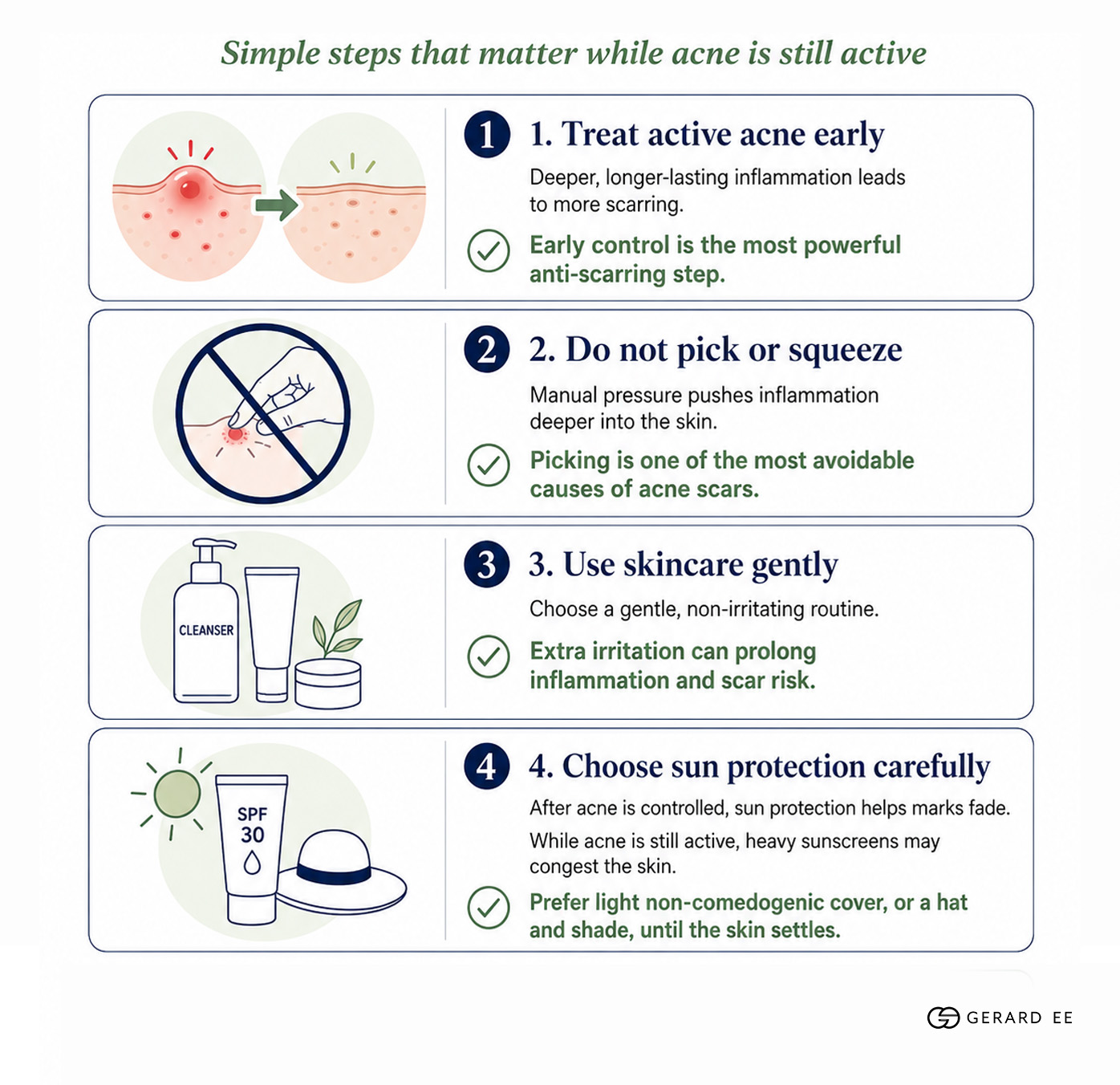
Prevention is markedly easier, cheaper and more effective than treatment, and the majority of scarring is avoidable, since controlling the underlying acne early is the most powerful step. Four principles account for most of that benefit.
- Treating active acne early.The deeper the inflammation and the longer it persists, the more scarring follows. Bringing it under control quickly is the single most powerful anti-scarring measure available, and it determines more of the outcome than anything afterwards.
- Never picking or squeezing. Manual pressure drives inflammation deeper into the skin and ranks among the leading avoidable causes of scarring. The damage is done at the moment the lesion is forced, so nothing applied afterwards reverses it.
- Using skincare thoughtfully. A gentle, non-irritating regimen adds no further irritation to skin that is already inflamed, and irritation lengthens the inflammatory phase during which scars form.
- Selecting sun protection with care while acne is active.Once the acne is controlled, sun protection assists the fading of marks. During an active phase, however, heavy sunblocks congest the skin and provoke breakouts, so light non-comedogenic cover, or a hat and shade, is preferable until the skin settles. The general advice may not serve a patient whose acne is still inflamed, and I raise this often, since a heavy sunscreen over active lesions can generate the very breakouts that go on to scar.
The most common preventable mistake
The commonest preventable mistake I see is waiting, in the hope that deep, recurrent acne will settle by itself, while scarring accumulates in the meantime. Acne is wearing to manage, and the decision to wait is understandable. The window in which scarring can be prevented is open only while the acne is active, and it does not reopen once the skin has healed into a scar. Where acne keeps returning, treating the oil glands directly with AGNES RF, often combined with Secret RF, can break the cycle.
If scars have already formed
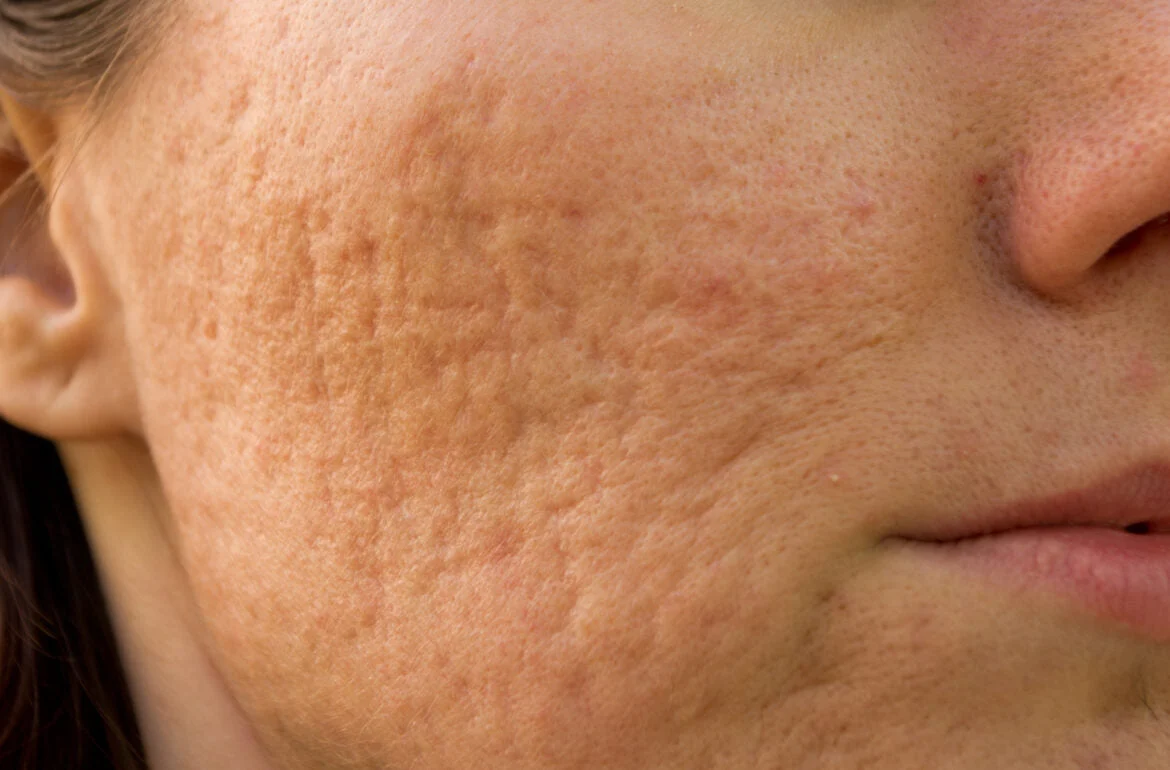
Scars already present will not fade unaided, but they respond well to a combination of subcision, RF microneedling, lasers and biostimulators, matched to the scar types and begun once any residual acne is controlled. The complete acne scar treatment guide sets out the options. Treatable is not the same as reversible, and what a combined plan delivers is a substantial reduction in visibility rather than removal. The acne scar journey is slow but genuinely rewarding, and patience is repaid with markedly smoother skin.
What improvement to expect, in numbers
The published figures describe a realistic range rather than a promise. Fractional CO2 studies report meaningful improvement in atrophic scars over a course of treatment (CO2 monotherapy). Fractional RF microneedling trials show around a 46% reduction on the ECCA acne-scar scale after a series of sessions (split-face RCT), and subcision combined with PRP improved scars by about 32% in a split-face study (subcision plus PRP). Those numbers correspond to gradual improvement accumulating over months rather than erasure. They are also group averages, and a published percentage may support a choice of treatment without predicting one patient’s result.
Prevention, on which the evidence is equally clear, remains the better outcome by a wide margin. Because the duration and intensity of inflammation drive scarring, treating acne early and well prevents far more scarring than any later treatment can remove (reducing the risk).
What the research shows
The evidence supports both halves of the answer. On prevention, reviews stress that controlling inflammation early reduces scarring, since the extent and duration of inflammation are key, modifiable drivers (reducing the risk, pathogenesis review). The treatment side is equally well supported, since fractional CO2 laser (monotherapy series), microneedling (RCT systematic review) and fractional RF microneedling (systematic review) all improve atrophic scars, so established scars, while they will not fade unaided, are genuinely treatable. What that literature demonstrates is improvement rather than resolution, a distinction most often lost when these studies are quoted in marketing.
What the trials say about realistic improvement
The trial literature is candid about the ceiling. The Cochrane review of interventions for acne scars found only moderate-quality evidence and no treatment that reliably erases scars, while still supporting genuine improvement (Cochrane review). Later trials establish that combinations outperform single treatments, since subcision plus fractional CO2 outperformed subcision alone (subcision combination trial), and laser with subcision exceeded laser alone for boxcar and rolling scars in a 413-patient analysis (combination analysis). A patient whose course consisted of one modality repeated has usually not exhausted the options, and in my experience that is the commonest reason scar treatment is written off as ineffective.
Established scars will not fade on their own, and the literature nonetheless supports meaningful, gradual improvement under a properly combined plan, while underlining that prevention through early control of the acne remains the most effective strategy.
Why marks fade but scars do not
What separates one outcome from the other is the nature of the damage beneath. A mark is a change of colour within skin whose architecture is intact, so ordinary processes clear it, with excess pigment shed as the skin renews itself and dilated vessels returning to their normal calibre. A scar is a change in that architecture, where collagen has been lost or deposited abnormally during healing. Nothing in the body restores the lost structure, which is why a true depression or raised area persists indefinitely without intervention. Holding that distinction clearly in view is what prevents both false hope about scars and unnecessary treatment of marks.
A realistic timeline for marks
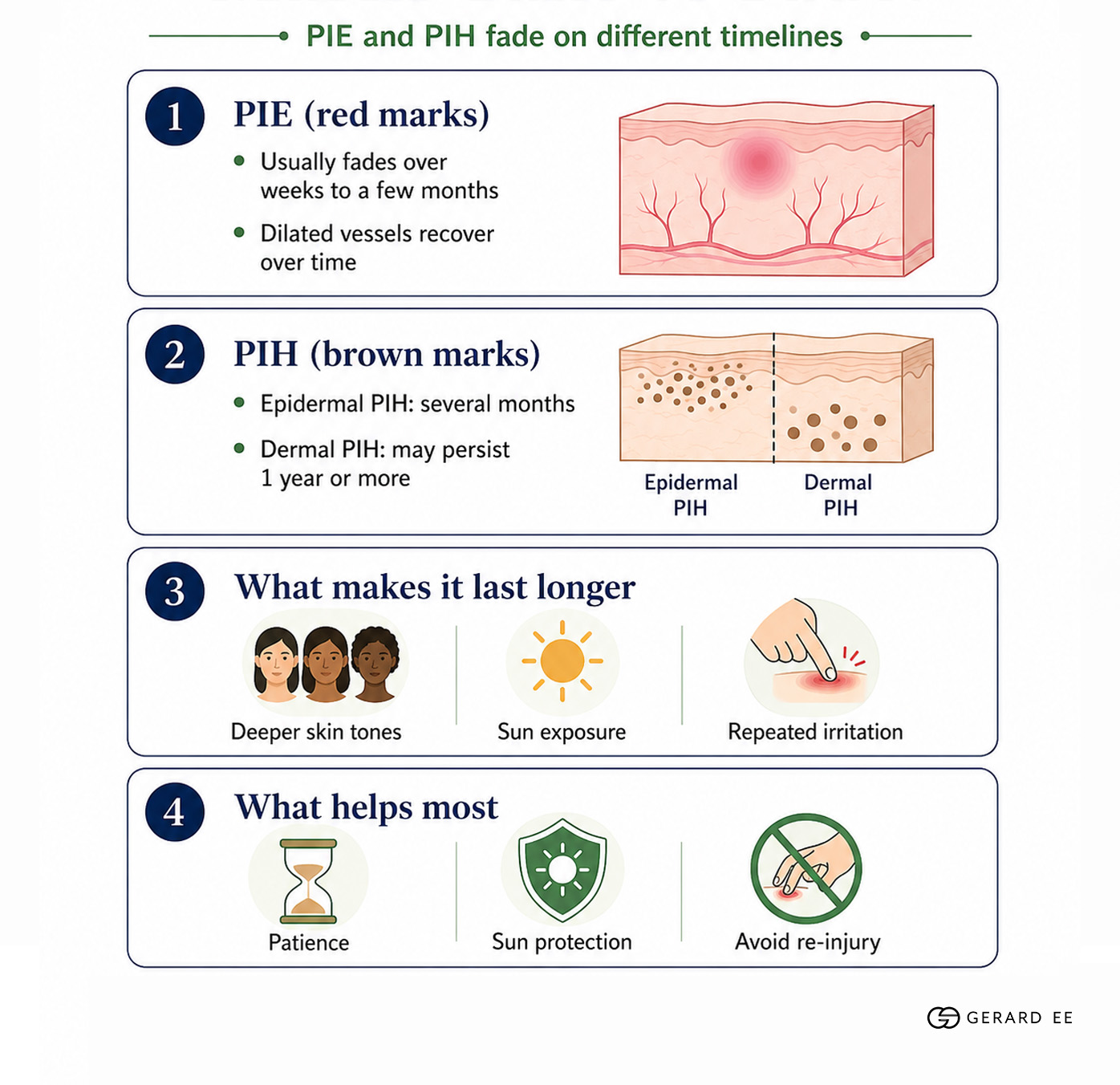
Marks fade to their own timetable, and that timetable differs considerably between patients. Red post-inflammatory erythema commonly settles across a few weeks to a few months as the vessels recover. Brown post-inflammatory hyperpigmentation in the epidermis usually needs several months, while pigment that has reached the dermis can persist for a year or more. Deeper skin tones lengthen every one of these intervals, and sun exposure or repeated irritation lengthens them further. Patience, sun protection and the avoidance of re-injury therefore accomplish most of the work, and treatment may be considered for a mark still present at a year.
The prevention hierarchy
Prevention follows a clear order of priority, and the order matters as much as the list itself. First and most important is treating active acne early and adequately, since the depth and duration of inflammation drive scarring more than anything else. Second is refraining from picking or squeezing, which repeatedly ranks among the commonest avoidable causes of scars. Third is a gentle, barrier-supporting routine that adds no irritation to inflamed skin. Fourth, once the acne is settled, is consistent sun protection against marks. The first of these outweighs the remaining three, and a patient who observes them faithfully while leaving inflammatory acne untreated will scar regardless.
How prescription treatment prevents scarring
Where over-the-counter measures fall short, prescription treatment is the most dependable route to preventing scarring, because it brings inflammation under control faster and more completely. Topical retinoids normalise the way follicles shed cells and present an anti-inflammatory effect, benzoyl peroxide and topical or oral antibiotics reduce bacterial load and inflammation, and hormonal treatments assist where androgens are a driver. In severe, nodulocystic or scarring-prone acne, oral isotretinoin can substantially reduce new lesions and thereby prevent the scars those lesions would have produced. Prescription treatment is not a guarantee, since its benefit applies only to the lesions that never appear.
Home skincare that supports the skin
A considered home routine supports medical treatment without irritating the skin. A gentle, non-stripping cleanser and a non-comedogenic moisturiser maintain the barrier, a retinoid sustains cell turnover, and niacinamide or azelaic acid act on marks. What is omitted matters as much, since harsh scrubs, over-exfoliation and layered strong actives all risk the irritation that prolongs inflammation. New actives are introduced singly and slowly, because consistency across months counts for far more than intensity. No home routine alters the structure beneath, since these measures act on colour and on the skin barrier.
Why home remedies rarely fix scars

Popular home remedies such as lemon juice, toothpaste or abrasive scrubs are better avoided, since they irritate the skin and can deepen pigmentation, particularly in darker skin tones. Skincare genuinely helps fade marks, but no topical product remodels collagen at dermal depth, so a true depression or raised scar will not resolve with home care alone. When a patient tells me that months of a remedy achieved nothing, the reason is usually that it was acting at the surface while the problem sat in the dermis. Setting this expectation early prevents both wasted money and months of delay before effective treatment is sought.
If you know you scar easily
A proportion of patients are simply more prone to scarring, whether through a family history or their own past experience. For them the margin for delay is narrower, so acne is treated earlier and more assertively, prescription treatment may be considered sooner, and picking is avoided strictly. The tendency cannot be altered, but the volume of inflammation it acts upon can, and that is where prevention succeeds or fails. I cannot identify at a first visit which patient with mild acne carries that tendency, so where a family history is known, treating ahead of the apparent severity is the safer course.
Tracking progress honestly
Whether a patient is waiting for marks to fade or working through a course of scar treatment, progress is judged from standardised photographs taken in consistent lighting at regular intervals, not from daily inspection in the mirror. Pigment fading and collagen remodelling are both gradual and easily missed from one day to the next, and comparison across three to six months is far more accurate. In my experience the commonest reason a patient concludes that nothing has changed is the absence of a comparable photograph taken at the outset, since memory of one’s own face adjusts as the face does.
Diet, lifestyle and scarring risk

Because scarring is driven by the intensity and duration of inflammation, factors that influence acne severity bear indirectly on scarring risk. The evidence is strongest for a high-glycaemic-load diet, meaning frequent sugary and highly processed foods, which several studies associate with more acne, while evidence linking skimmed dairy is weaker. Stress and inadequate sleep can aggravate flares through hormonal pathways, and smoking impairs wound healing. None of these causes a scar directly, and dietary change alone will not clear significant acne, so none should displace timely medical treatment. For a patient prone to scarring, moderating high-glycaemic foods, managing stress and sleep and avoiding tobacco may reduce the inflammatory burden without substituting for treatment.
The bottom line
Post-acne marks usually fade unaided. True scars do not, and even under treatment they are rarely erased completely, although they improve substantially. Prevention remains the most effective strategy, which means treating acne early, never picking, and keeping skincare gentle. Where scars have formed, a combined and well-spaced plan produces the best outcome, and the realistic goal is a scar that no longer attracts notice. Continue with what causes acne scars or acne scars versus pigmentation.
Frequently Asked Questions
Can acne scars be 100% removed?
Complete removal is uncommon, and it is not the outcome a plan should target. Substantial improvement is achievable, often around twenty to thirty per cent across six months of energy-based treatment and more once biostimulators are added. Outcomes vary between patients.
Can you fade a 2 year old scar?
An older true scar will not fade unaided, and it remains treatable. Its type and depth matter considerably more than its age, so two scars of the same age may call for different treatments. Old marks, whether PIH or PIE, often fade with time.
How do you permanently fix acne scars?
There is no single treatment that provides a permanent fix for every scar. Durable improvement comes from remodelling collagen with a combination of treatments matched to the scar types, started once the acne is controlled and maintained afterwards with good skincare. The improvement is lasting, and it is partial rather than complete.
Do acne scars get worse with age?
Marks fade, while a proportion of true scars appear slightly more conspicuous over the years as the face loses volume and firmness. Earlier treatment is usually easier, and the change affects some scars and not others.
Key references
- Understanding and Reducing the Risk for Acne Scarring. PubMed.
- Fractional CO2 laser resurfacing as monotherapy for atrophic facial acne scars. PubMed.
- Microneedling for atrophic scars: systematic review of randomised controlled trials. PubMed.
- Fractional radiofrequency microneedling as monotherapy in acne scars: systematic review. PubMed.
Comparative trials cited
- Abdel Hay R, Shalaby K, Zaher H, et al. Interventions for acne scars. Cochrane Database Syst Rev. 2016;4:CD011946. Cochrane.
- Abdelwahab AA, Omar GAB, Hamdino M. Combined subcision with fractional CO2 laser or cross-linked hyaluronic acid versus subcision alone in atrophic post-acne scars. Lasers Med Sci. 2022;38:20. PubMed.
- Li X, Fan H, Wang Y, et al. Fractional CO2 laser combined with subcision for three subtypes of atrophic acne scars: retrospective analysis of 413 patients. Lasers Med Sci. 2023;38:195. PubMed.

Dr Gerard Ee
Written, medically reviewed and expert opinion by Dr Gerard Ee, aesthetic doctor and Founder & Medical Director of The Clifford Clinic. This article reflects my clinical experience treating acne scars in Singapore and is intended for general education, not medical advice. Treatment suitability, results, downtime and cost vary from person to person. Please arrange a consultation for advice specific to your skin.