Dr Gerard Ee consults at The Clifford Clinic, 50 Raffles Place, Singapore.
AGNES, AviClear and Gold Photothermal Therapy are three of the most effective acne treatments available, and all three target the oil gland rather than just the surface pimple. Because they sound similar, patients often ask which is best. The choice is about matching the tool to the acne type, the oiliness, the age and the skin tone.
My quick answer

AGNES is best for acne that keeps returning in the same spot, because it shrinks individual problem oil glands. AviClear is best for milder, more diffuse oily congestion and for maintenance, because it reduces oil production across a wider area. Gold and Platinum Photothermal Therapy are used mainly for gentle oil control and maintenance, and are the gentler option for younger teenagers. For moderate to severe acne, I often combine AGNES and AviClear.
What I look for during your consultation
Choosing between these three starts with how the acne behaves. Does the same lesion keep coming back in one place, or is the skin generally oily with congestion scattered across it? Oiliness, lesion depth and inflammation, age, skin tone and prior treatment decide which treatment I recommend.
How I classify the three treatments
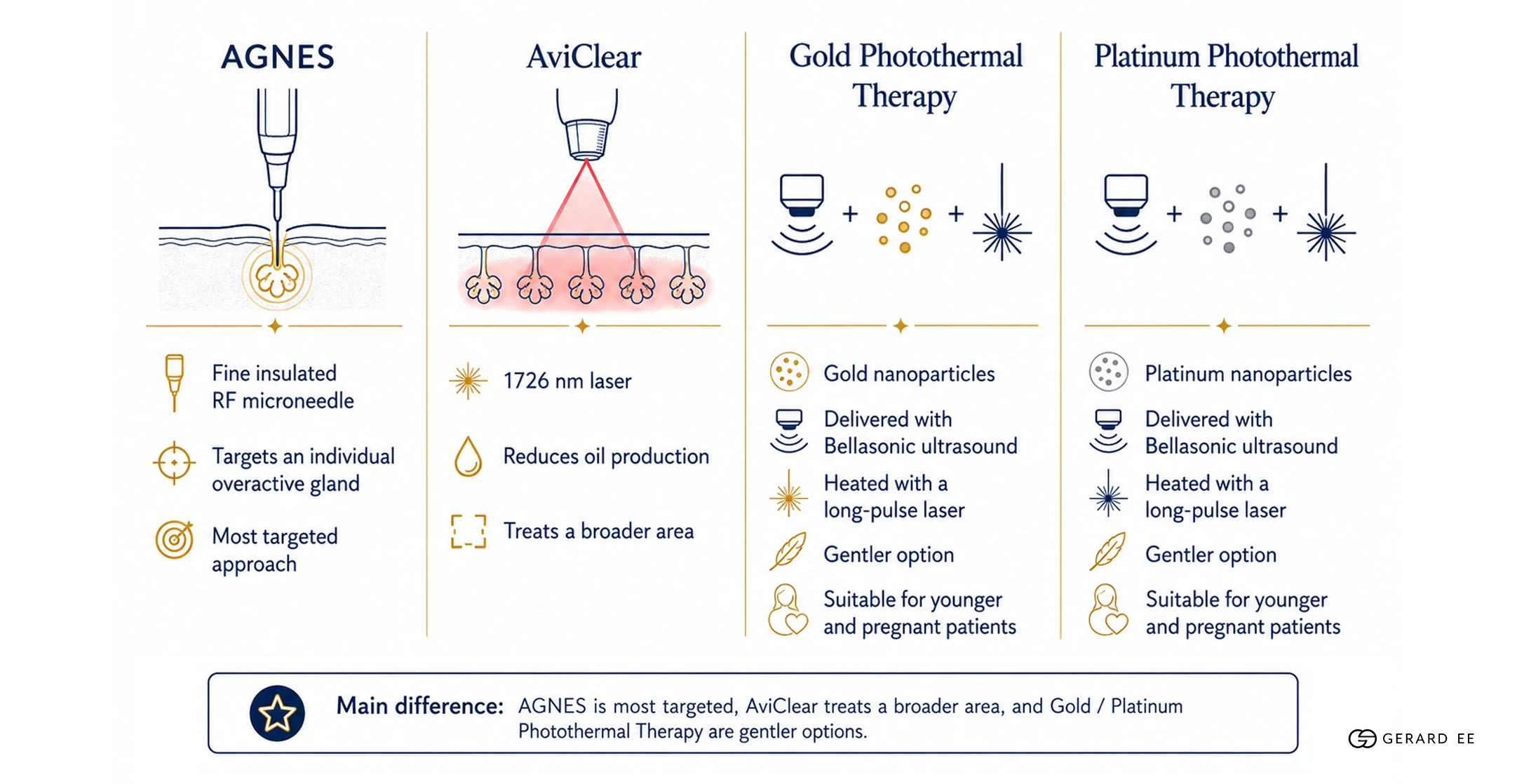
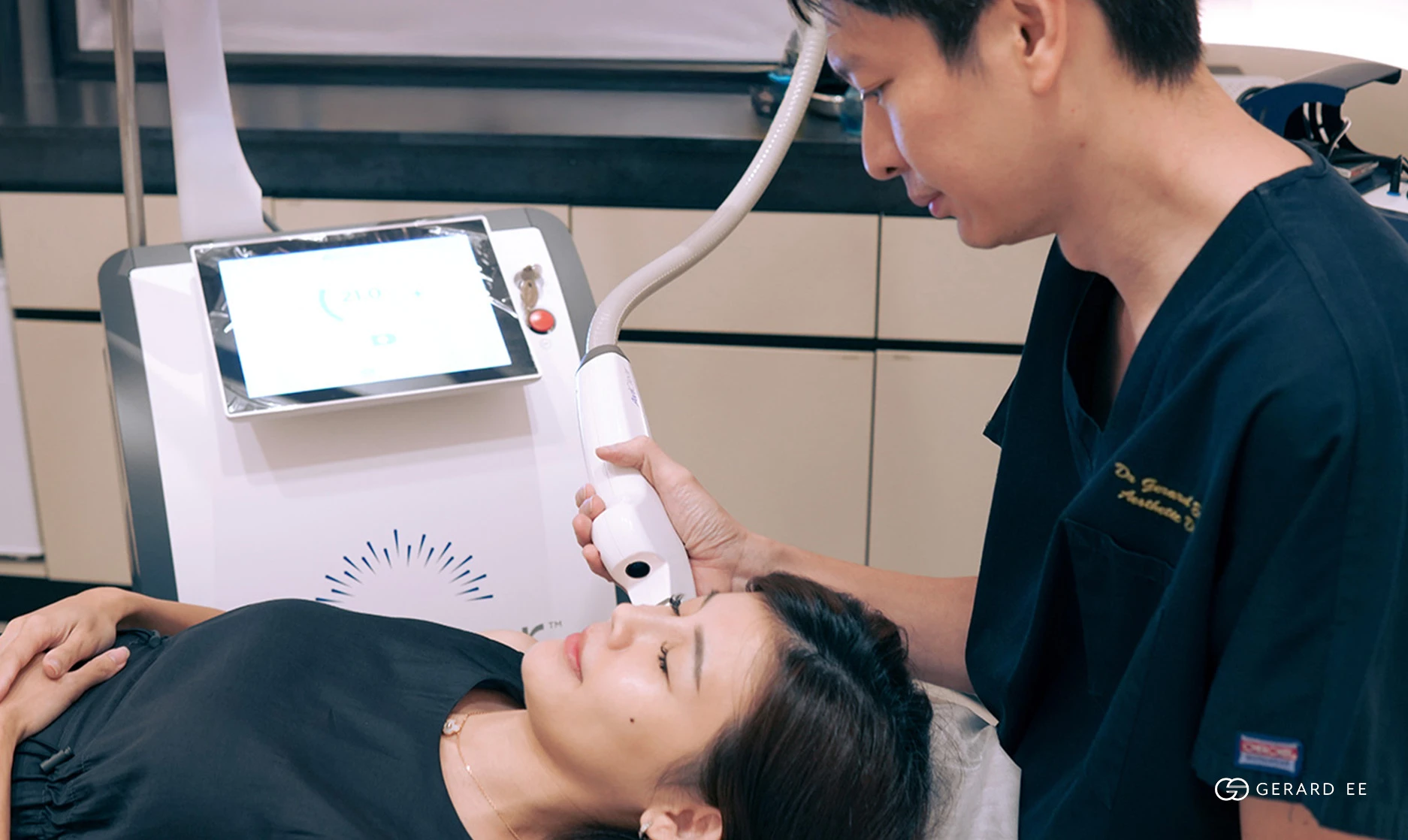
AGNES uses a fine, insulated radiofrequency microneedle to shrink an individual overactive gland, so it is the most targeted. AviClear is a 1726 nm laser that reduces oil production across a broader area. Gold and Platinum Photothermal Therapy use metal nanoparticles, delivered with Bellasonic ultrasound and heated with a long pulse laser, which is the gentler delivery of the three. The two photothermal versions differ in the element used.
When I would consider each treatment
AGNES is the choice especially for stubborn cysts and nodules along the jaw or T-zone. AviClear suits diffuse congestion, or a patient who wants a drug-free option. Gold or Platinum Photothermal Therapy suits younger teenagers.
Pregnancy and breastfeeding
My view is that Gold photothermal therapy, red light and blue light are all safe in pregnancy and breastfeeding, and Gold photothermal therapy is my treatment of choice. For blue and red light that view has direct support. The National Skin Centre review of acne treatment in pregnancy and lactation states that blue-violet or red light phototherapy may be used as monotherapy or in addition to topical and oral therapies. For the laser component there is a systematic review of cutaneous laser therapy in pregnancy covering 22 publications and 380 pregnant women treated across all trimesters, and its conclusion covers the commonly used cutaneous lasers, the class that includes the 1064 nm Nd:YAG used in Gold photothermal therapy. Apart from one questionable case of premature rupture of membranes it found no cases of maternal or fetal morbidity or mortality, premature labour or identifiable fetal stress, and concluded that cutaneous laser treatment during pregnancy is safe for both mother and fetus. A second systematic review reached the same conclusion for elective laser therapy. Both note that the underlying literature is made up of case reports and series rather than randomised trials.
For the gold particles themselves the question that matters is whether they remain in the follicle or enter the circulation, and that has been measured. In the animal work published alongside the first clinical trial, cutaneous gold returned to baseline by one month after treatment and residual particles were undetectable at that point. The highest gold concentration in any organ after two treatments was 40.5 ng per gram, against an established safety threshold of 3,000 ng per gram, and blood counts, serum chemistry and organ histology were normal. That animal work, like the first clinical trial it accompanied, was sponsored by the device manufacturer. No pregnant patient has been treated in any published trial of the technique, because pregnancy is an exclusion criterion in those trials. So no trial has reported harm in pregnancy, and it is worth being clear why. That is because pregnant women were never enrolled, not because the treatment has been tested in pregnancy and found safe. My position is a clinical judgement built on the evidence above and on the fact that the preparation is applied topically and activated by light rather than taken systemically. Azelaic acid and benzoyl peroxide remain the guideline-supported first-line options in pregnancy, and my acne and pregnancy page covers the options in full. Suitability is assessed individually before treatment begins. The same applies to Platinum photothermal therapy.
When I would not recommend each
AviClear is not relied on for nodular cystic acne and the nose is avoided with it. I would not choose AGNES for very sporadic, scattered acne, since its strength is precise, localised treatment. I would not push AGNES or AviClear on a young patient who cannot tolerate them, which is where Gold or Platinum PTT fits. And I would not promise any of these as a one-off cure. The skin keeps producing oil, so maintenance matters.
Common mistakes I see
The biggest mistake is a clinic selling a single acne laser as the answer for everyone, since no one device suits every acne type. Patients are also misled by social media, where many dramatic before and after results are paid advertorials and some are simply fake. Judge a clinic by how carefully it assesses your skin, not by its marketing.
What you can realistically expect
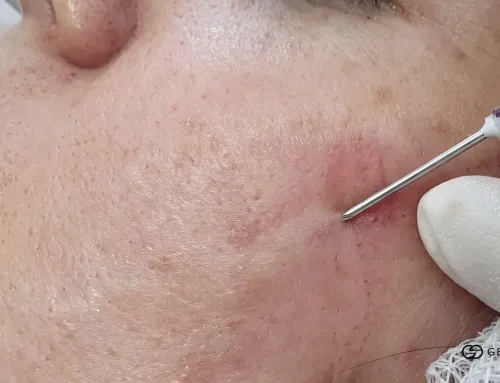
AGNES often achieves a great deal in one or two sessions for a targeted area, using a local anaesthetic, with temporary redness, tiny entry points and mild swelling unless the acne is nodular and cystic. AviClear is typically a course of three sessions, with results visible after the second and building over three to four months. A built-in cooling system keeps it comfortable, each session takes around thirty minutes, and most patients return to normal activities straight away. Gold and Platinum PTT are usually done as a maintenance series, gentle and generally well tolerated. Across all three, downtime is short, and medical skincare continues alongside. Marks and scars are treated separately, once the active acne settles, following the approach in the acne scar treatment guide.
Prescribed skincare is resumed as directed, with swimming avoided for a short period after AviClear, and protecting the skin from strong sun. Recovery can be supported with measures such as hyperbaric oxygen therapy in selected cases.
When to see a doctor
If you are weighing up these treatments, get assessed rather than choosing from an article. See a doctor if your acne is recurring, oily, inflamed or already leaving marks, so the treatment can be matched properly and, where useful, combined.
Why combination treatment often works best
For moderate to severe acne, a single treatment rarely does everything. AGNES settles the stubborn recurrent glands while AviClear reduces the overall oiliness that feeds new breakouts. Medical skincare supports both, and where there is heavy congestion a deep-cleansing facial can help clear it. A clinic with only one device can only offer part of the answer, which is why the full range, and the experience to combine it well, matters.
What the evidence shows
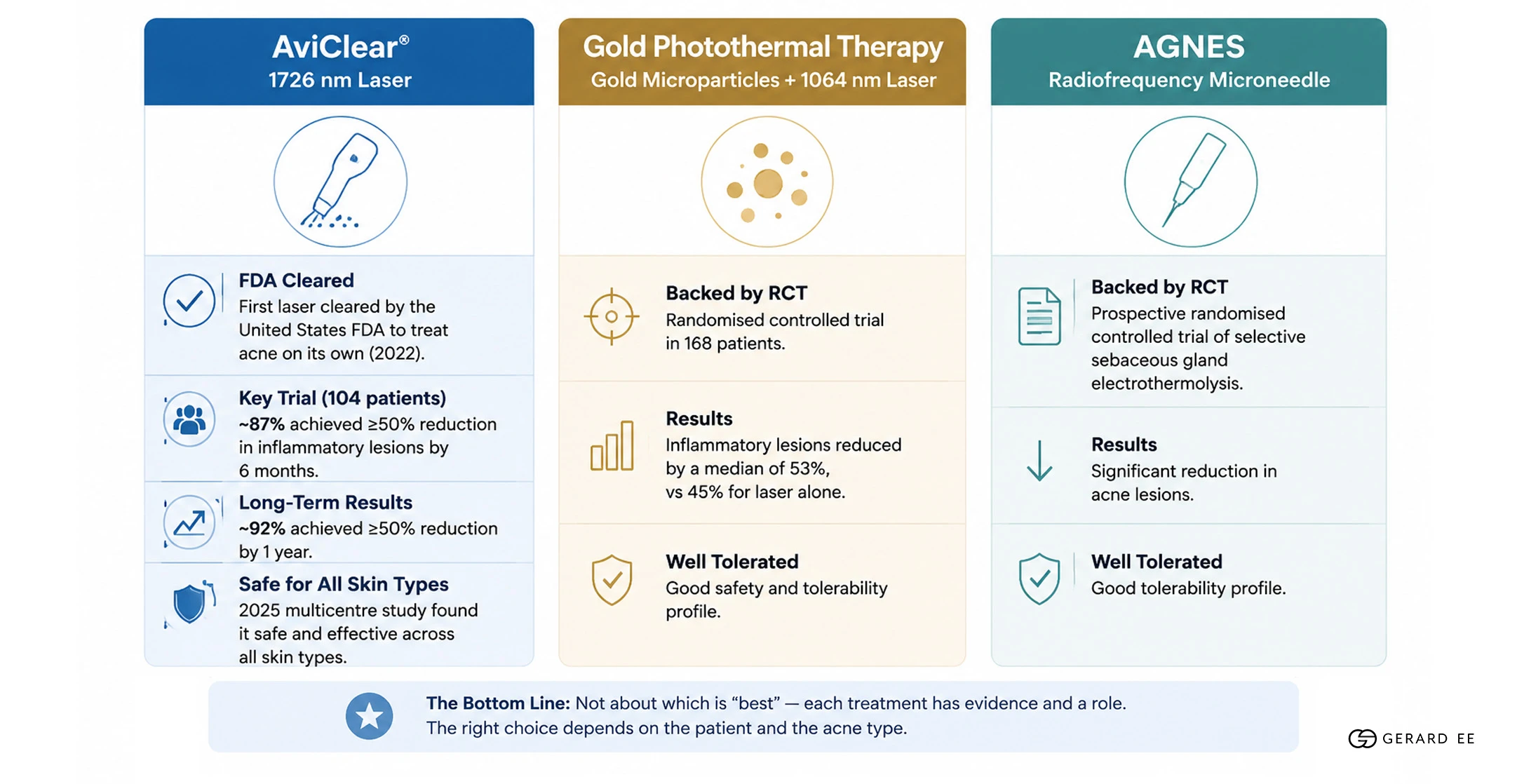
All three of these treatments are supported by clinical research. AviClear, the 1726 nm laser, became the first laser cleared by the United States FDA to treat acne on its own in 2022. In its key trial of 104 patients, most with moderate to severe acne, around 87 percent achieved at least a 50 percent reduction in inflammatory lesions by six months, rising to roughly 92 percent at one year, and a 2025 multicentre study found it safe and effective across all skin types. Gold Photothermal Therapy is supported by a sham-controlled randomised trial of 51 patients, in which gold microparticles plus a 1064 nm laser reduced inflammatory lesions by 53 percent at 14 weeks, against 30 percent in the sham arm. An open-label European study of 25 patients reported a mean 45 percent reduction in inflammatory lesions after one treatment course, with no control group. A preliminary open-label study of 12 Asian patients, using a gold nanoparticle preparation rather than the microparticle used in the earlier trials, reported significant reductions in papules, pustules and comedones and an average improvement above 50 percent on physician global assessment, again without a control group. AGNES, which delivers radiofrequency through an insulated microneedle, was studied in a prospective randomised controlled trial of selective sebaceous gland electrothermolysis that reported significant lesion reduction with good tolerability. The point is not that one is best, but that each has evidence behind it for a particular role. If you are weighing these against LED, IPL or photodynamic therapy first, I set out how light therapy compares with sebaceous-targeting devices in a separate evidence review.

| Let me match the right acne technology to your skin.
The Clifford Clinic, 50 Raffles Place, Singapore Land Tower. Call (65) 6532 2048 or WhatsApp (65) 8318 6332 to arrange a consultation. |

Dr Gerard Ee, Aesthetic Doctor in Singapore
Dr Gerard Ee is an aesthetic doctor in Singapore and the Medical Director of his practice at 50 Raffles Place. He graduated from St George’s, University of London, trained in surgery at Singapore General Hospital and the National University Hospital, and holds the MRCS (Edinburgh) and a postgraduate diploma in practical dermatology from Cardiff University.
He has practised aesthetic medicine since 2012, is the author of sixteen peer-reviewed papers, and writes and medically reviews every article on this site. Read more about Dr Gerard Ee.
Book a consultation with Dr Gerard Ee at The Clifford Clinic
Dr Gerard Ee consults at The Clifford Clinic, 50 Raffles Place, Singapore. Consultations are by appointment. Message the clinic on WhatsApp, or call 6532 2048.
Frequently asked questions
Is AGNES better than AviClear?
Neither is universally better. AGNES is better for recurring same-spot acne, while AviClear is better for diffuse oily skin and maintenance. For moderate to severe acne, combining them often works best.
Can I combine AGNES and AviClear?
Yes. In moderate to severe acne I often combine them, with AGNES targeting stubborn recurrent glands and AviClear reducing overall oil production.
Which treatment is best for teenagers?
Younger teenagers often do better with Gold or Platinum Photothermal Therapy, which are gentler, since some teens cannot comfortably tolerate AGNES or AviClear.
Are these treatments safe for darker skin?
AGNES and AviClear are both suitable for darker skin tones, with settings and aftercare adjusted to reduce the risk of pigmentation.
References
Sources cited on this page
- Paithankar DY, Sakamoto FH, Farinelli WA, et al. Acne treatment based on selective photothermolysis of sebaceous follicles with topically delivered light-absorbing gold microparticles. J Invest Dermatol. 2015;135(7):1727-1734. doi:10.1038/jid.2015.89
- Fuchs CSK, Bay C, Adatto M, Lomholt H, Haedersdal M. Acne treatment with light absorbing gold microparticles and optical pulses: an open-label European multi-centered study. Lasers Surg Med. 2019;51(8):686-693. doi:10.1002/lsm.23099
- Suh DH, Park TJ, Jeong JY, et al. Photothermal therapy using gold nanoparticles for acne in Asian patients: a preliminary study. Dermatol Ther. 2021;34(3):e14918. doi:10.1111/dth.14918
- Kong YL, Tey HL. Treatment of acne vulgaris during pregnancy and lactation. Drugs. 2013;73(8):779-787. doi:10.1007/s40265-013-0060-0
- Wilkerson EC, Van Acker MM, Bloom BS, Goldberg DJ. Utilization of laser therapy during pregnancy: a systematic review of the maternal and fetal effects reported from 1960 to 2017. Dermatol Surg. 2019;45(6):818-828. doi:10.1097/DSS.0000000000001912
- Allameh F, Javadi A, Dadkhahfar S, et al. A systematic review of elective laser therapy during pregnancy. J Lasers Med Sci. 2021;12:e50. doi:10.34172/jlms.2021.50
- Paithankar DY, Sakamoto FH, Farinelli WA, et al. Acne treatment based on selective photothermolysis of sebaceous follicles with topically delivered light-absorbing gold microparticles. J Invest Dermatol. 2015;135(7):1727-1734. doi:10.1038/jid.2015.89. Study sponsored by the device manufacturer.
- HealthHub Singapore. Acne. https://www.healthhub.sg/a-z/diseases-and-conditions/acne
- American Academy of Dermatology. Guidelines of care for the management of acne vulgaris. https://www.aad.org/member/clinical-quality/guidelines/acne
- Acne vulgaris. https://dermnetnz.org/topics/acne
- A novel 1726-nm laser system for safe and effective treatment of acne vulgaris. PubMed. https://pubmed.ncbi.nlm.nih.gov/36197599/
- 1726 nm sebum-selective laser for acne across skin types, one-year multicentre data. J Am Acad Dermatol (2025). https://www.jaad.org/article/S0190-9622(25)02900-7/fulltext
- Selective Sebaceous Gland Electrothermolysis Using a Single Microneedle RF Device for Acne, Prospective RCT. PubMed. https://pubmed.ncbi.nlm.nih.gov/31502662/
- Paithankar DY et al. Selective Photothermolysis of Sebaceous Follicles with Gold Microparticles. PubMed. https://pubmed.ncbi.nlm.nih.gov/25748556/
- AviClear https://drgerardee.com/aviclear/
- AGNES Acne Treatment https://drgerardee.com/agnes-acne-treatment/
Medical disclaimer: This article is for general education and does not replace an in-person consultation. Treatment suitability, results and risks vary between individuals. Please speak with a qualified doctor before starting any acne treatment.
This page is written from published research and from clinical experience in Singapore since 2012. It is for general education, not medical advice. Whether a treatment suits you, what it may achieve and what it may risk can only be established at a consultation. Dr Gerard Ee is the Medical Director of The Clifford Clinic, a private clinic in Singapore, and treatments discussed on this site are provided commercially.