Written and medically reviewed by Dr Gerard Ee, MBBS (UK), MRCS (Edinburgh), PGDip Practical Dermatology (Cardiff). He is the Founder and Medical Director of The Clifford Clinic, with over 14 years of experience in treating acne. He was among the first doctors in Singapore to utilise AGNES and AviClear. The opinions expressed in this article are his own clinical views, intended to help readers better understand their treatment options. This article is provided for general educational purposes and does not replace a personal consultation. Last reviewed: June 2026.
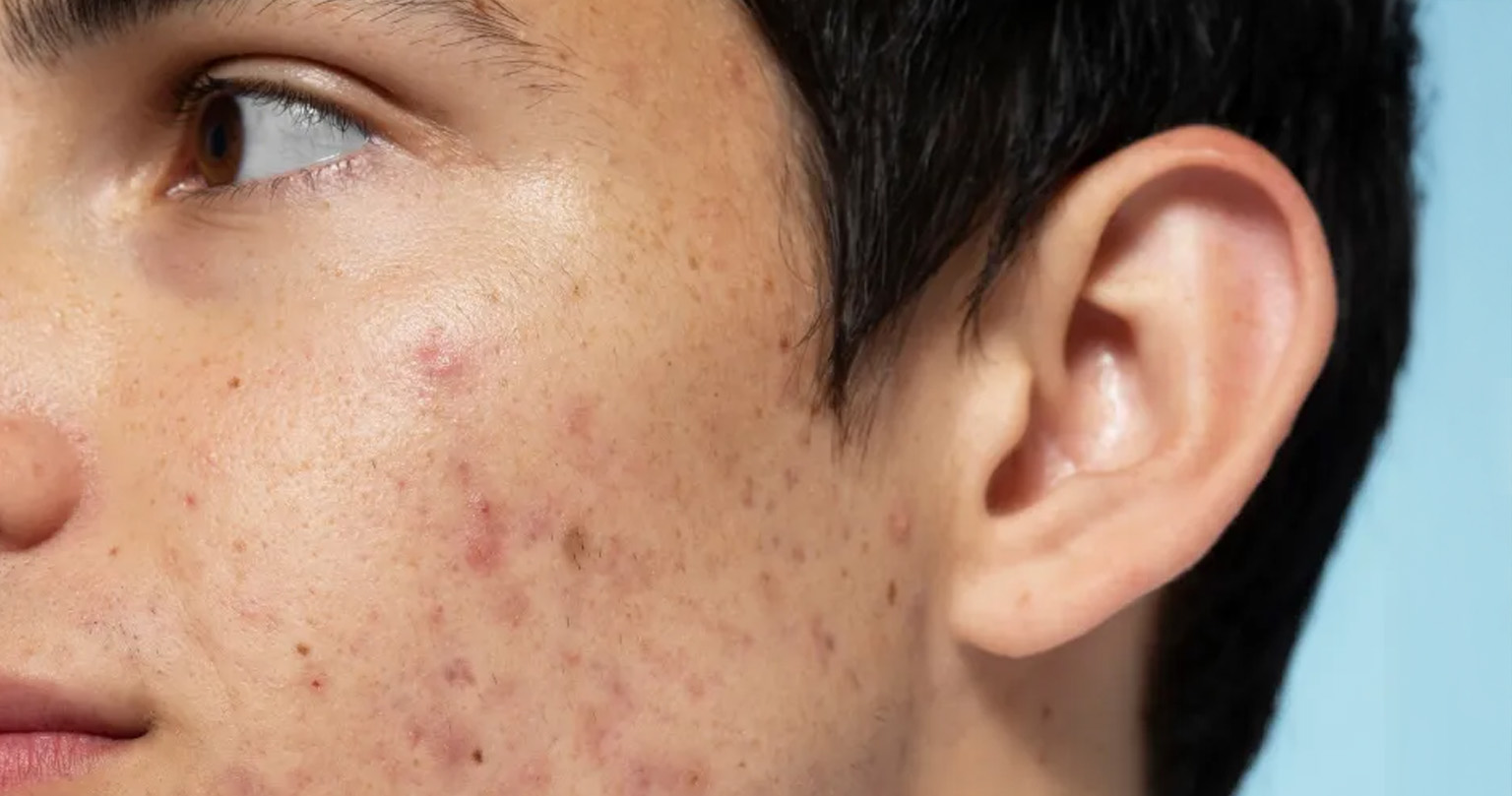
Acne care is not only about clearing breakouts. It also involves understanding what they leave behind, as the marks and scars that remain are often what concerns individuals most. One of the most common points of confusion is between acne marks and acne scars, which are entirely different issues requiring entirely different treatment approaches. Distinguishing between them is the first step in any sensible plan.
My quick answer
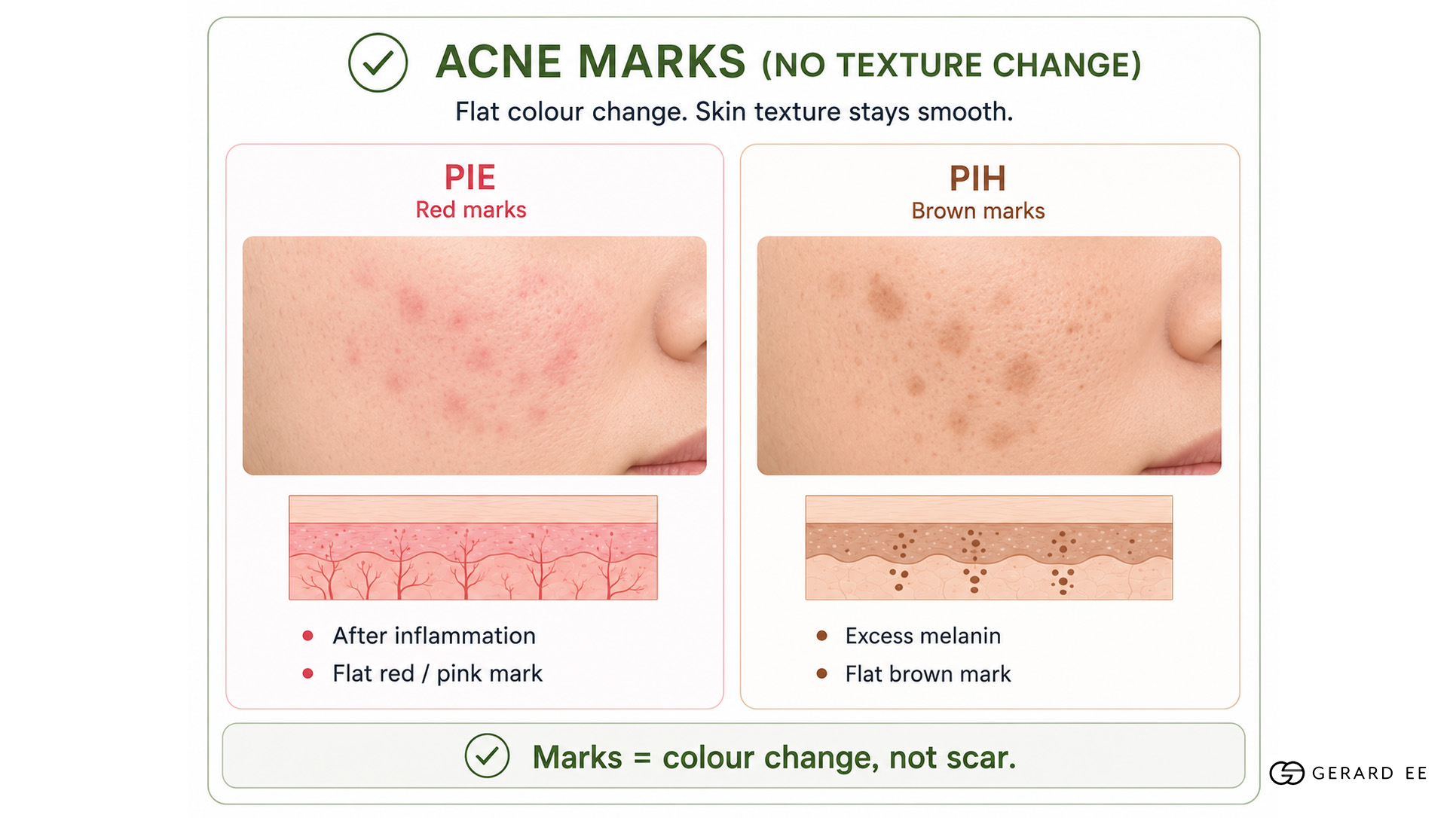
Acne marks are flat changes in colour without any alteration in skin texture. Red marks are known as post inflammatory erythema, or PIE, while brown marks are referred to as post inflammatory hyperpigmentation, or PIH.
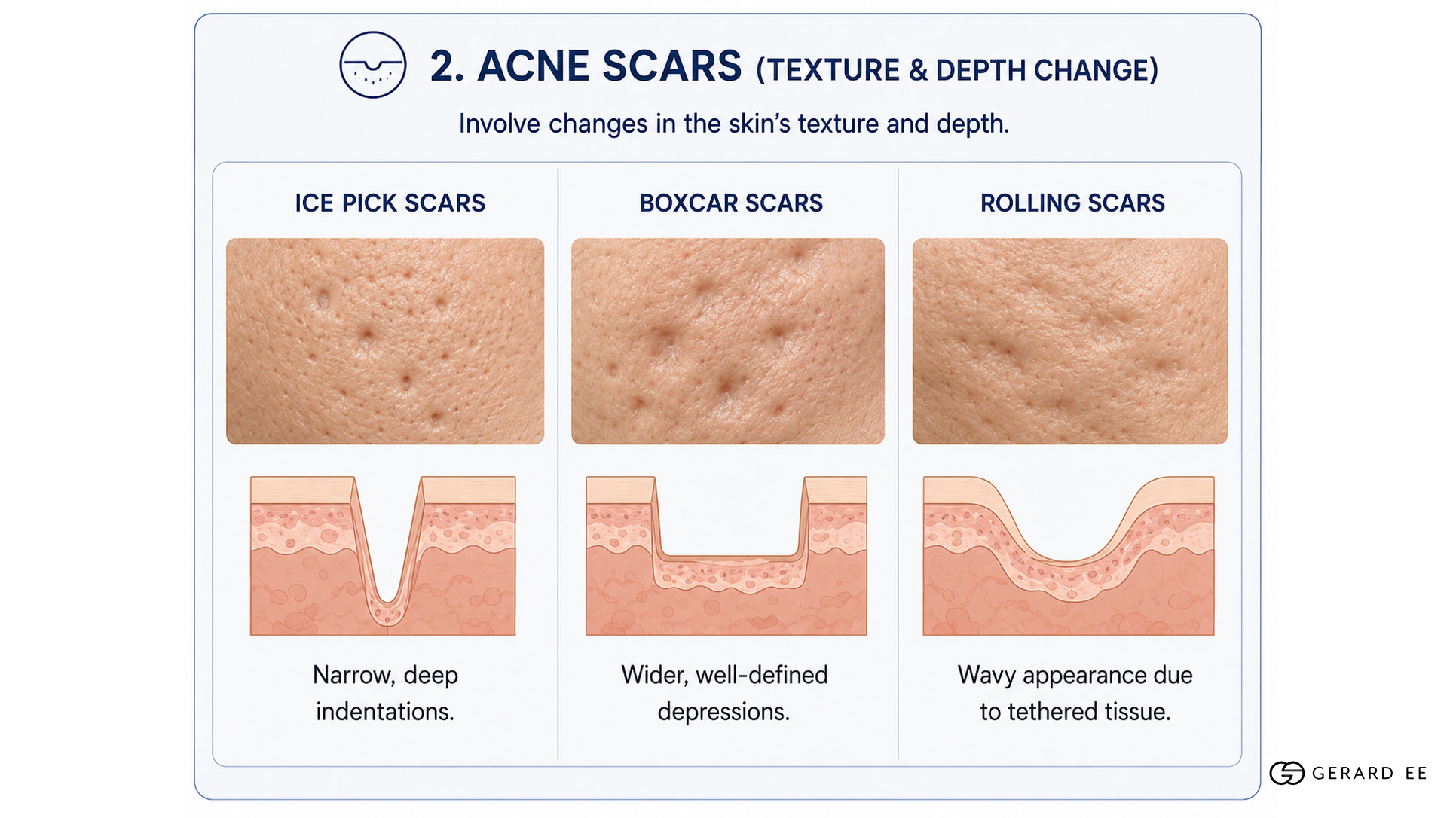
True acne scars involve changes in the texture and depth of the skin, such as ice pick, boxcar, and rolling scars. Marks are treated with lasers such as Vbeam for redness and Q Switch for brown pigment, whereas scars require resurfacing or remodelling. Active acne is always addressed first.
What I look for during the consultation
The key question is whether the problem involves colour, texture, or both. Marks appear as flat patches of colour on otherwise smooth skin, while scars involve a depression that catches the light. Assessing the skin under indirect, angled lighting reveals textural changes that are not visible under flat lighting. Whether the acne remains active also matters, as marks and scars are treated only after breakouts have been controlled. Redness, brown pigment, and true scarring are assessed separately before any recommendations are made, as each responds to a different treatment.
How I classify marks and scars
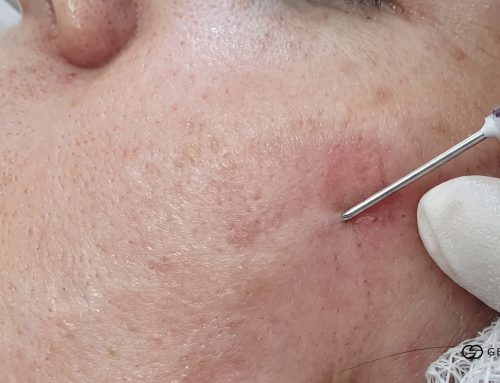
Red and brown marks are colour changes without any depression in the skin. Red marks arise from dilated blood vessels remaining after inflammation, while brown marks result from excess pigment, which is particularly common in Asian skin. True scars involve altered skin structure and present in recognisable types: narrow, deep ice pick scars; broader boxcar scars with defined edges; and soft, tethered rolling scars. Most individuals have a mixture of these, often with flat marks layered over them.
Dr Gerard Ee’s clinical note
Before recommending any laser, the first question to settle is straightforward. Is the problem one of colour, texture, or both? Red and brown marks present as colour changes without depression, whereas a depression in the skin indicates textural change, which constitutes a scar. Getting this right at the outset determines the entire treatment plan, and it is where much treatment goes wrong when approached too hastily
When I would treat marks, and when I would wait
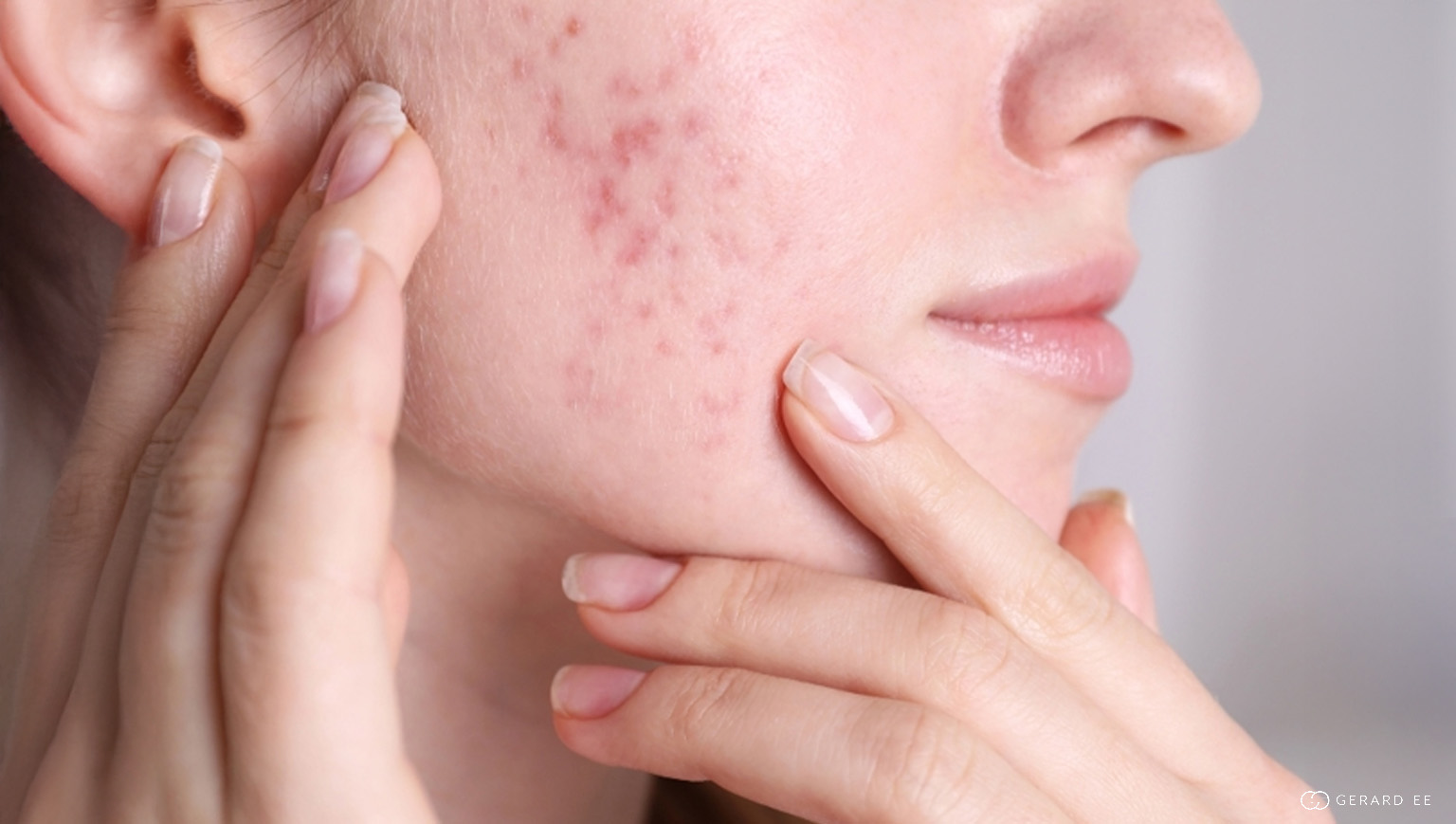
Flat marks are treated once active acne is under control, as new breakouts simply create new marks. Red marks respond to a vascular laser such as Vbeam, which is suitable for sensitive skin and pinker marks, while brown marks respond to a pigment laser such as Q Switch. In pigment prone skin, the approach is gentler, with lower energy settings and strict sun protection. It is preferable to wait rather than treat while the skin is still actively breaking out, as treating colour changes on top of ongoing inflammation is counterproductive.
Common mistakes I see
A frequent mistake is treating a mark as though it were a scar, or a scar as though it were a mark, which wastes time and resources and can potentially worsen the condition. Another common misconception, encountered almost weekly, is that older scars are harder to treat than newer ones. Clinical experience indicates that this is not the case; a scar present for years can respond just as well as a recent one. The most preventable mistake of all is squeezing, which transforms a blemish that might have faded into a lasting mark or scar.
What you can realistically expect
Flat marks generally improve faster than scars, fading over a series of laser sessions once the acne has settled, supported by sun protection to prevent pigment from darkening again. Scars take longer to improve, as the skin is being remodelled rather than simply cleared of colour, and improvement is gradual and cannot be accelerated. Realistic expectations, including the likely number of sessions, are established at the initial consultation.
.
When to see a doctor
An assessment is worth considering if there is uncertainty about whether the condition involves marks or scars, if they are a source of concern, or if previous treatment has not been effective. A consultation also serves to confirm whether acne still requires active control, as marks and scars are treated only on stable skin.
A simple way to check at home
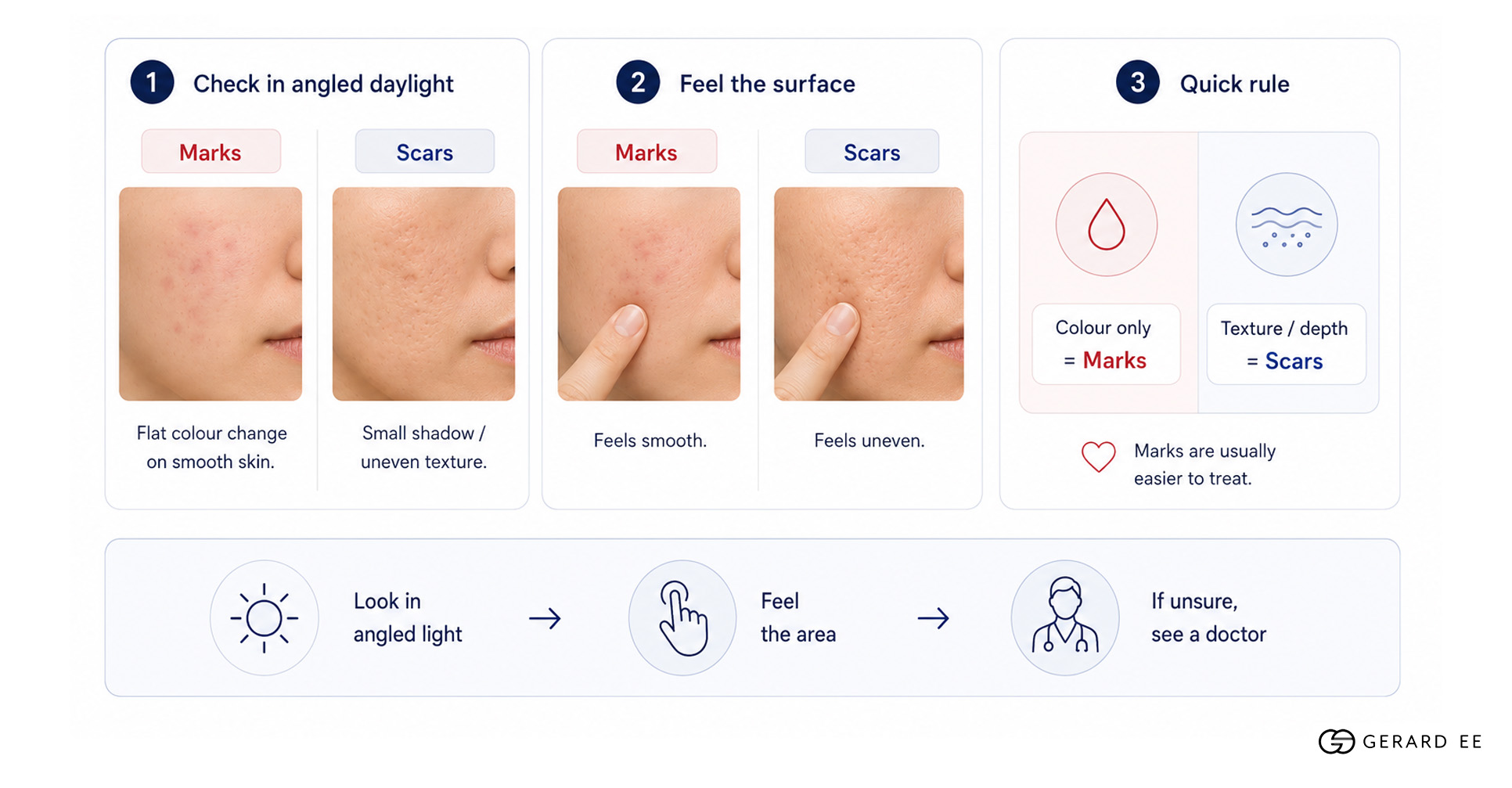
A rough sense of the condition can be gained at home, although this does not replace a proper clinical assessment. Examining the marks in angled daylight rather than straight on bathroom lighting can be helpful, as flat marks, whether red or brown, appear as patches of colour on otherwise smooth skin, while a true scar casts a small shadow that shifts as the face is tilted. Gently running a fingertip over the area can also assist, since many scars can be felt as a change in surface level, whereas marks cannot. Colour without any change in texture generally indicates marks, which are typically easier to treat than scars.
How squeezing creates both marks and scars
It is worth understanding why picking is discouraged so strongly, as it is the common thread behind both marks and scars. Squeezing a pimple forces inflammation deeper into the skin and ruptures the surrounding tissue. In the short term, this leaves more redness and more pigment, which become the flat marks that individuals often find concerning. In the longer term, the deeper damage can destroy the structural integrity of the skin and leave a permanent scar. A blemish that would have faded in days can become a mark that lasts months, or a scar that lasts years, all from a few seconds of squeezing.
What to expect from treatment timelines
Flat marks generally improve faster than scars. Red and brown marks fade over a series of laser sessions once active acne has settled, supported by sun protection to prevent pigment from darkening again. True scars take longer to improve, as the skin is being remodelled rather than simply cleared of colour, and improvement builds gradually over several sessions. Setting realistic expectations at the initial consultation allows progress to be measured against a clear plan rather than estimated.
Why diagnosis comes before treatment
Because marks and scars are so different, and because scars themselves present in several types, an accurate diagnosis is what makes treatment effective. Treating a mark as a scar wastes time and resources, and expecting a colour focused laser to lift a deep scar leads to disappointment. Separating redness, brown pigment, and true textural change at the outset allows each issue to be matched with the appropriate treatment, which is why the assessment matters as much as the treatment itself.
The lasers and devices matched the marks and scars
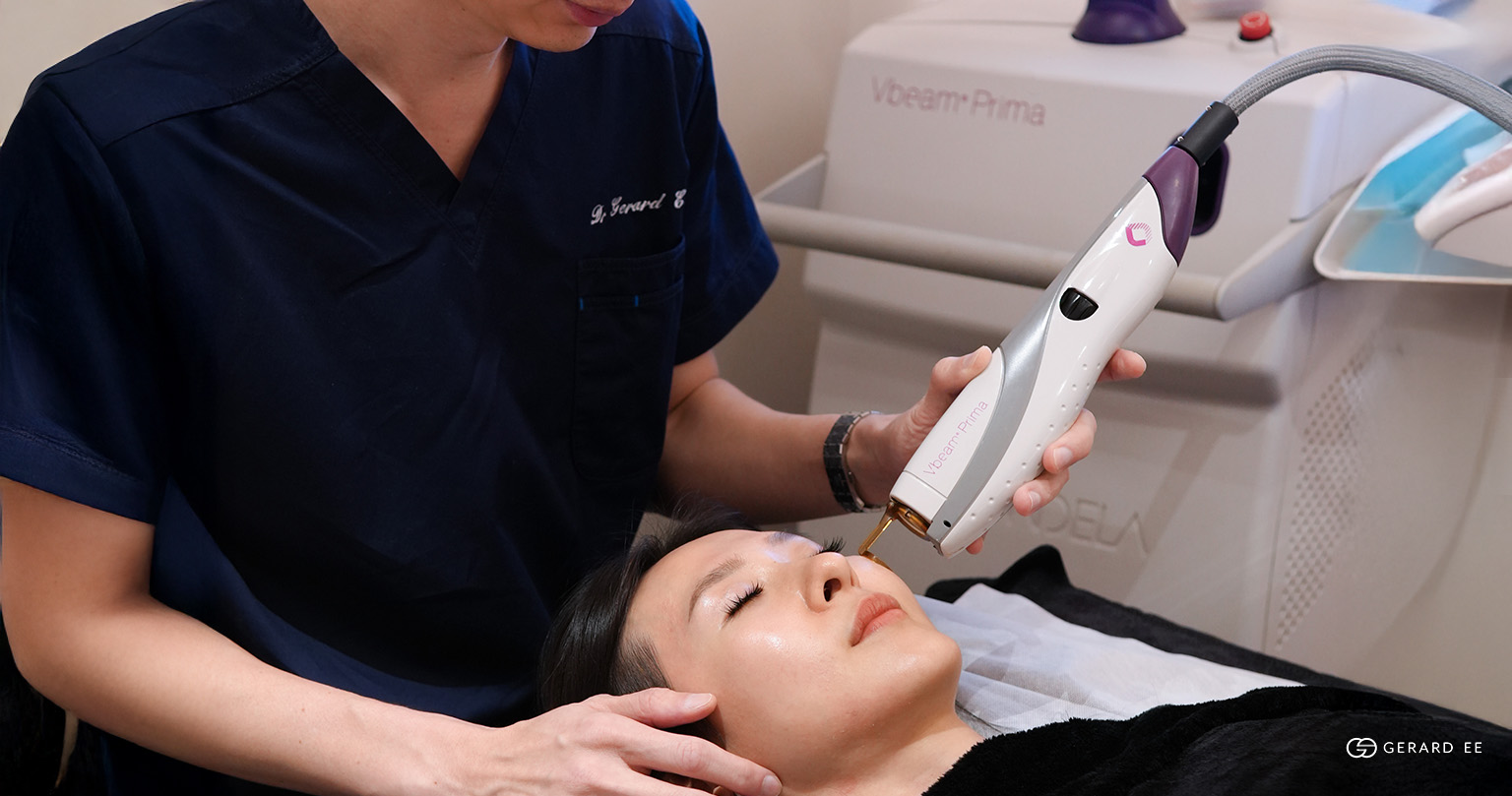
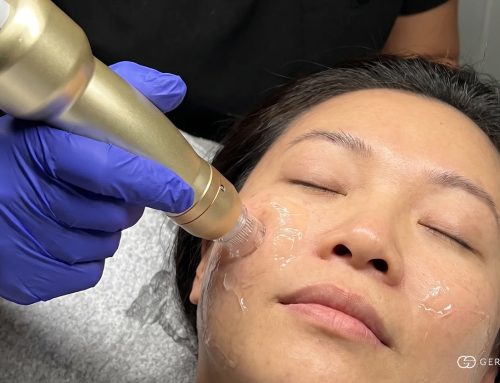
Because marks and scars are different issues, they call for different tools. For flat colour, the answer lies in light and laser therapy. Red marks, or post inflammatory erythema, respond to the Vbeam pulsed dye laser, which targets the dilated blood vessels responsible for the redness. Brown marks, or post inflammatory hyperpigmentation, which is particularly common in Asian skin, respond to the Q Switch Nd:YAG laser, which breaks down excess pigment for the body to clear. A more detailed explanation of how Vbeam and Q Switch work, and the indications for each, is available in the dedicated guide to lasers for acne marks.
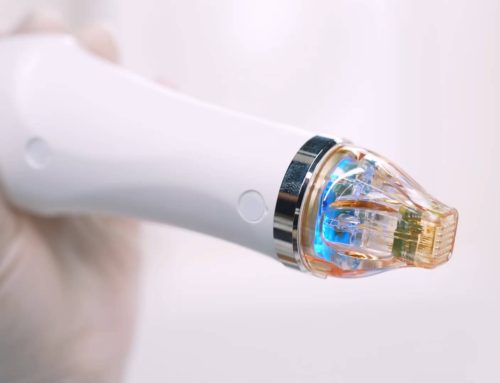
Depressed, or atrophic, scars involve textural change rather than colour, and they are treated by rebuilding collagen. Radiofrequency microneedling, with devices such as Infini and Secret RF, delivers energy into the deeper layers to remodel the scar from below. Fractional carbon dioxide laser resurfaces and tightens the surface and the scar edges, while the Fraxel erbium glass laser, a nonablative 1550 nm fractional laser, stimulates collagen with less downtime. Pico MLA, a focused picosecond laser, is useful for finer scarring and enlarged pores. These modalities are usually combined with subcision for tethered rolling scars and TCA CROSS for narrow ice pick scars, with the combination matched to the scar types identified during mapping.
What the evidence shows
Acne marks and scars are common and well studied. Research indicates that a substantial proportion of individuals who have experienced significant acne go on to develop scars, with the risk rising as acne becomes more severe, which is the strongest argument for treating acne early. The marks and scars themselves respond to different, evidence based treatments. Flat red post inflammatory erythema improves with a vascular pulsed dye laser. Flat brown post inflammatory hyperpigmentation responds to pigment lasers and to azelaic acid, which calms the pigment forming step in the skin. True depressed scars are treated with resurfacing, radiofrequency microneedling, subcision, or focused acid depending on the type. Importantly, the literature supports treating older scars as well, so it is rarely too late.

Find out whether you have marks, scars, or both.
The Clifford Clinic is located at 50 Raffles Place, Singapore Land Tower. To arrange a consultation, please call (65) 6532 2400 or WhatsApp (65) 8318 6332.
Frequently asked questions
How do I know if I have acne marks or acne scars?
Marks are flat with no change in skin texture, while scars involve a visible depression. Viewing the skin under angled lighting makes the difference clear, and a consultation confirms the distinction precisely.
Will my red and brown acne marks go away on their own?
Many flat marks fade slowly over months, and treatment can accelerate this process. Red marks respond to vascular laser therapy and brown marks to pigment laser therapy, once active acne has been controlled.
Are old acne scars harder to treat than new ones?
In clinical experience, older scars can respond just as well as recent ones, so it is rarely too late to treat them. The key lies in matching the treatment to the scar type. The acne scar treatment guide sets out which modality suits which scar.
Can marks and scars be treated at the same time?
A treatment plan often addresses colour and texture in stages, always after active acne has been brought under control. The sequence is tailored to the individual’s skin condition.
Related reading
- Acne Treatment Singapore: How I Choose (Dr Gerard Ee)
- Vbeam (Dr Gerard Ee)
- Q-Switch Laser (Dr Gerard Ee)
- Vbeam (Dr Gerard Ee)
- Secret RF for Acne Scars (Dr Gerard Ee)
- INFINI RF Microneedling (Dr Gerard Ee)
- Fractional CO2 Laser (Dr Gerard Ee)
- Fraxel (Erbium Glass) Laser (Dr Gerard Ee)
- Pico MLA Laser (The Clifford Clinic)
- Acne Scar Removal (Dr Gerard Ee)
References
Show the references (10)
- HealthHub Singapore. Acne. https://www.healthhub.sg/a-z/diseases-and-conditions/acne
- American Academy of Dermatology. Guidelines of care for the management of acne vulgaris. https://www.aad.org/member/clinical-quality/guidelines/acne
- Acne vulgaris. https://dermnetnz.org/topics/acne
- Prevalence and risk factors of acne scars in patients with acne vulgaris. PubMed. https://pubmed.ncbi.nlm.nih.gov/37357642/
- Pulsed dye laser for post-acne erythema: randomised comparative study. PubMed. https://pubmed.ncbi.nlm.nih.gov/40833510/
- Q-switched Nd:YAG laser for post-inflammatory hyperpigmentation in Asian patients. PubMed. https://pubmed.ncbi.nlm.nih.gov/21122049/
- Systematic review of azelaic acid in acne, rosacea, melasma and skin ageing. J Cosmet Dermatol (2023). https://onlinelibrary.wiley.com/doi/10.1111/jocd.15923
- Fractional carbon dioxide versus erbium laser for atrophic acne scars: systematic review and meta-analysis. J Cosmet Dermatol. https://pubmed.ncbi.nlm.nih.gov/38733085/
- Fractional microneedle radiofrequency, with and without subcision, for atrophic acne scars: randomised split-face study. PubMed. https://pubmed.ncbi.nlm.nih.gov/28432727/
- Dr Gerard Ee. Acne Scar Removal, Singapore. https://drgerardee.com/acne-scar-treatment-guide-singapore/
Medical disclaimer: This article is for general education and does not replace an in-person consultation. Treatment suitability, results and risks vary between individuals. Please speak with a qualified doctor before starting any acne treatment.