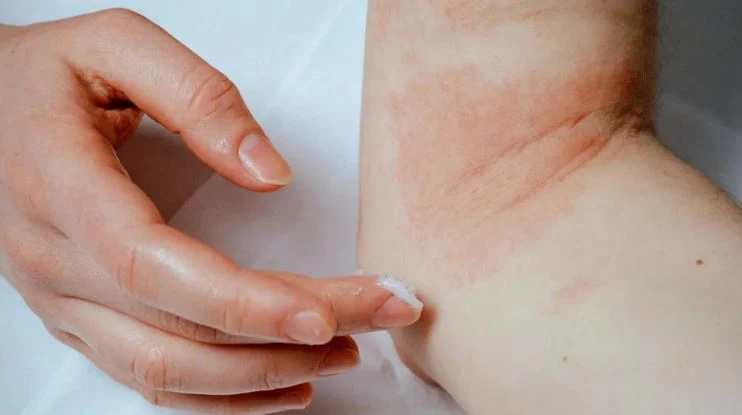
Eczema, also known as atopic dermatitis, is a chronic skin condition that causes inflammation, itchiness, and redness. It is most commonly seen in children, but can also affect adults. The exact cause of eczema is unknown, but it is believed to be a combination of genetic and environmental factors.
Dr Gerard Ee consults at The Clifford Clinic, 50 Raffles Place, Singapore.
What causes eczema
The pathophysiology of eczema involves an immune system dysfunction, leading to inflammation and an increase in blood flow to the affected area. This immune system dysfunction is thought to be related to a deficiency in certain proteins, such as filaggrin, which help to maintain the skin’s barrier function. When the skin’s barrier function is compromised, it becomes more susceptible to irritation and allergens, which can trigger a flare-up of eczema.
Common eczema triggers
There are several known triggers of eczema, including:
- Dry skin: Dry, cold weather and frequent washing can strip the skin of its natural oils, leading to dryness and irritation.
- Allergens: Certain substances, such as dust mites, pet dander, and certain fabrics, can cause an allergic reaction and trigger a flare-up of eczema.
- Stress: Stress can exacerbate eczema symptoms.
- Hormonal changes: Fluctuations in hormones, such as during pregnancy or menopause, can trigger a flare-up of eczema.
Topical eczema treatments: steroids, calcineurin inhibitors and antimicrobials
There are several eczema treatment options available for eczema, including:
- Topical creams: These creams, which can be applied directly to the skin, include corticosteroids, calcineurin inhibitors, and antimicrobials. They can help to reduce inflammation and itchiness.
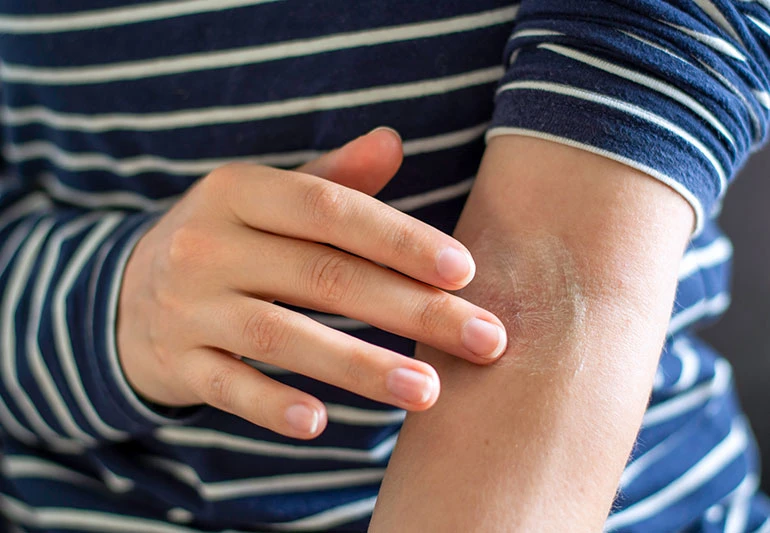
Corticosteroids are the most commonly used topical treatment for eczema. They come in a range of strengths, from mild to potent, and can be used to treat mild to severe eczema. Mild corticosteroids are usually sufficient to control mild to moderate eczema, while more severe eczema may require the use of a potent corticosteroid. It is important to use the lowest strength of corticosteroid that is effective in controlling the eczema, as higher strength corticosteroids can have more side effects.
Calcineurin inhibitors, such as tacrolimus and pimecrolimus, are another type of topical cream that can be used to treat eczema. These creams work by inhibiting the action of a specific immune system protein, which can help to reduce inflammation. They are often used as an alternative to corticosteroids in people who cannot use or have not responded to corticosteroids.
Antimicrobial creams, such as mupirocin, can be used to treat bacterial infections that may occur as a result of eczema.
Moisturisers and emollients for eczema
In addition to these medications, it is important to keep the skin moisturized to help control eczema symptoms. This can be done with the use of emollients, which are creams or ointments that help to keep the skin hydrated and reduce water loss.
Oral medication for eczema
Oral medication: In some cases, oral medication may be necessary to control eczema symptoms. This can include antihistamines to reduce itchiness and inflammation, and immunosuppressants to help control the immune system dysfunction that underlies eczema.
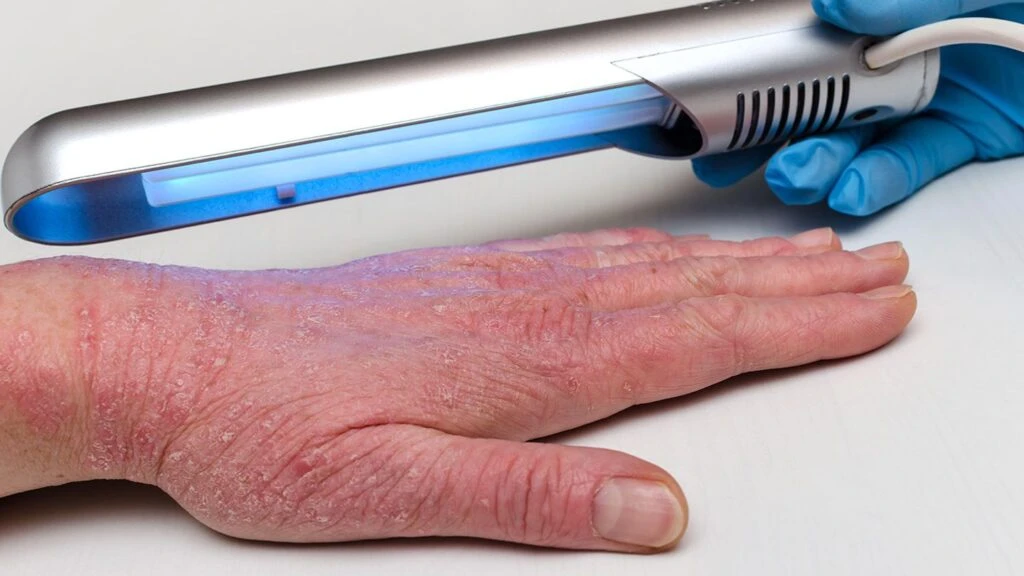
UVB phototherapy for eczema
UVB laser: Phototherapy, or the use of ultraviolet (UV) light, can be effective in reducing eczema symptoms. UVB laser treatment specifically uses a narrowband UVB laser to deliver targeted UVB light to the affected area, helping to reduce inflammation and improve the appearance of the skin.

Book a consultation with Dr Gerard Ee at The Clifford Clinic
Dr Gerard Ee consults at The Clifford Clinic, 50 Raffles Place, Singapore. Consultations are by appointment. Message the clinic on WhatsApp, or call 6532 2048.
This page is written from published research and from clinical experience in Singapore since 2012. It is for general education, not medical advice. Whether a treatment suits you, what it may achieve and what it may risk can only be established at a consultation. Dr Gerard Ee is the Medical Director of The Clifford Clinic, a private clinic in Singapore, and treatments discussed on this site are provided commercially.