
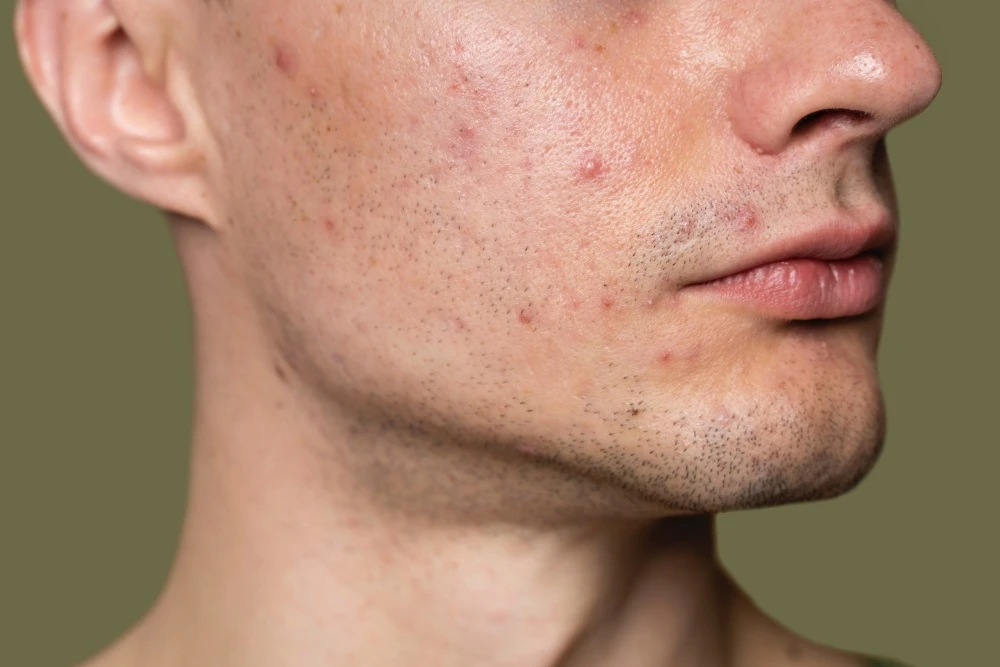
Yes, vitamin C could help with acne by managing inflammation and oil production, and addressing acne scars. While topical application is generally more effective for addressing active acne and post-acne marks, oral supplements also offer some benefits.
Dr Gerard Ee consults at The Clifford Clinic, 50 Raffles Place, Singapore.
Vitamin C is rightly celebrated as a powerhouse antioxidant in skincare. Its benefits range from environmental protection to brightening and anti-ageing. This article will explore the advantages of topical vitamin C, such as serums, for blemish-prone skin and clarify its role within an acne skincare routine.
Vitamin C Serum Benefits
Topical application of vitamin C through skincare products like serums allows the skin to absorb these benefits directly:
- Antioxidant Protection: Vitamin C, an antioxidant, neutralises free radicals generated by environmental stressors like UV rays and pollution. This protects the skin from oxidative damage that can contribute to premature ageing.
- Brightening: Vitamin C inhibits the production of melanin, which is the pigment responsible for dark spots. This action helps even out skin tone and address dullness.
- Collagen Synthesis: Vitamin C is a necessary cofactor in collagen production. By supporting collagen production, vitamin C helps improve skin texture, reduce the appearance of fine lines, and promote firmer skin.
Does Vitamin C Help with Acne and Acne Scars?
Vitamin C does not directly treat the primary causes of acne, such as P. acnes bacteria or excess oil production. It is not an antibiotic or a pore-clearing agent like salicylic acid. Instead, it is best used as a complementary treatment to address the post-acne side effects that often linger after a breakout has healed on the face or body, such as:
Reducing Inflammation
Vitamin C possesses natural anti-inflammatory properties. When applied topically to the face or body, it can help calm the redness and swelling associated with active acne lesions. While it won’t stop pimples from forming on the skin, it can help minimise the visible duration and severity of the irritation.
Fading Acne Marks
This is where vitamin C truly shines. Vitamin C can help address post-inflammatory hyperpigmentation (PIH), the stubborn dark or red marks left behind after a breakout. By inhibiting the overproduction of pigment (melanin) that creates these dark spots, vitamin C speeds up the fading process, leading to a clearer complexion faster.
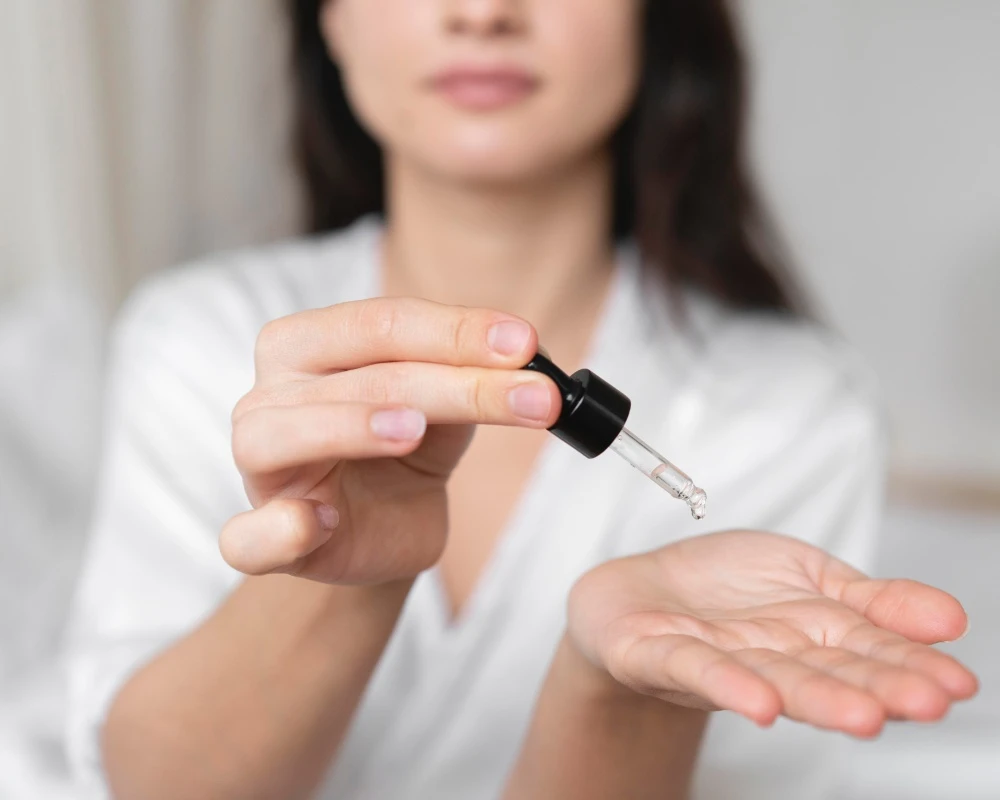
How to Use Vitamin C Serums for Acne Management
Incorporating vitamin C into an existing acne regimen requires correct application. Apply the serum in the morning. This leverages its potent antioxidant benefits against daytime environmental aggressors (UV, pollution). Apply the serum after cleansing and toning (if you use one), but before applying your moisturiser. Following up with a broad-spectrum sunscreen, as its protective effects are vital when using powerful antioxidants like vitamin C.
Vitamin C serums can also be used in a nighttime routine. Simply cleanse, tone, and apply it before your night cream or moisturiser.
Precautions and Potential Side Effects
While vitamin C is beneficial, certain precautions are necessary, particularly for sensitive or acne-prone skin, so be cautious of:
- Irritation: Stronger formulations can cause temporary tingling, mild redness, or dryness. If your skin is sensitive, start with a lower concentration to minimise the serum’s side effects.
- Photosensitivity: While vitamin C itself is not photosensitising, sun exposure can degrade the ingredient and negate its benefits. Hence, it is crucial to use it with sunscreen to protect skin and maximise its efficacy.
- Pore Clogging: Readers should choose their vitamin C serums wisely. Some serums may contain heavy oils or comedogenic ingredients that could worsen breakouts. Always look for a non-comedogenic formula labelled “oil-free.”
Seeking Professional Advice for Acne
Topical vitamin C is a highly valuable addition to an acne skincare routine for its antioxidant, anti-inflammatory, and brightening effects, but it is not a primary treatment. For persistent or severe acne, professional guidance is essential.
A specialist like Dr Gerard Ee can provide a comprehensive assessment and personalised acne treatments in Singapore. This may involve combining the right topical products with proven therapies, such as prescription medications like Accutane or advanced acne laser treatments, for the best, lasting results.
Book an appointment today to discuss your skin concerns and find a comprehensive path to clear, radiant skin.

Dr Gerard Ee, Aesthetic Doctor in Singapore
Dr Gerard Ee is an aesthetic doctor in Singapore and the Medical Director of his practice at 50 Raffles Place. He graduated from St George’s, University of London, trained in surgery at Singapore General Hospital and the National University Hospital, and holds the MRCS (Edinburgh) and a postgraduate diploma in practical dermatology from Cardiff University.
He has practised aesthetic medicine since 2012, is the author of sixteen peer-reviewed papers, and writes and medically reviews every article on this site. Read more about Dr Gerard Ee.

Book a consultation with Dr Gerard Ee at The Clifford Clinic
Dr Gerard Ee consults at The Clifford Clinic, 50 Raffles Place, Singapore. Consultations are by appointment. Message the clinic on WhatsApp, or call 6532 2048.
This page is written from published research and from clinical experience in Singapore since 2012. It is for general education, not medical advice. Whether a treatment suits you, what it may achieve and what it may risk can only be established at a consultation. Dr Gerard Ee is the Medical Director of The Clifford Clinic, a private clinic in Singapore, and treatments discussed on this site are provided commercially.
Related Posts





15 Comments
Comments are closed.


hello world
hello world
dapoxetine buy canada
dapoxetine buy canada
zoloft otc
zoloft otc
augmentin 875 mg
augmentin 875 mg
cialis price mexico
cialis price mexico
tadalafil dosage liquid
tadalafil dosage liquid
viagra alcohol shot
viagra alcohol shot
abbvie creon assistance
abbvie creon assistance
vardenafil price philippines
vardenafil price philippines
finasteride 5mg prostate
finasteride 5mg prostate
metronidazole treatment for rosacea
metronidazole treatment for rosacea
cialis costco price
cialis costco price
minoxidil mood swings
minoxidil mood swings
ketoconazole effect on Malassezia
ketoconazole effect on Malassezia
minoxidil women’s treatment reference
minoxidil women’s treatment reference