Lifestyle Changes to Manage Hormonal Acne
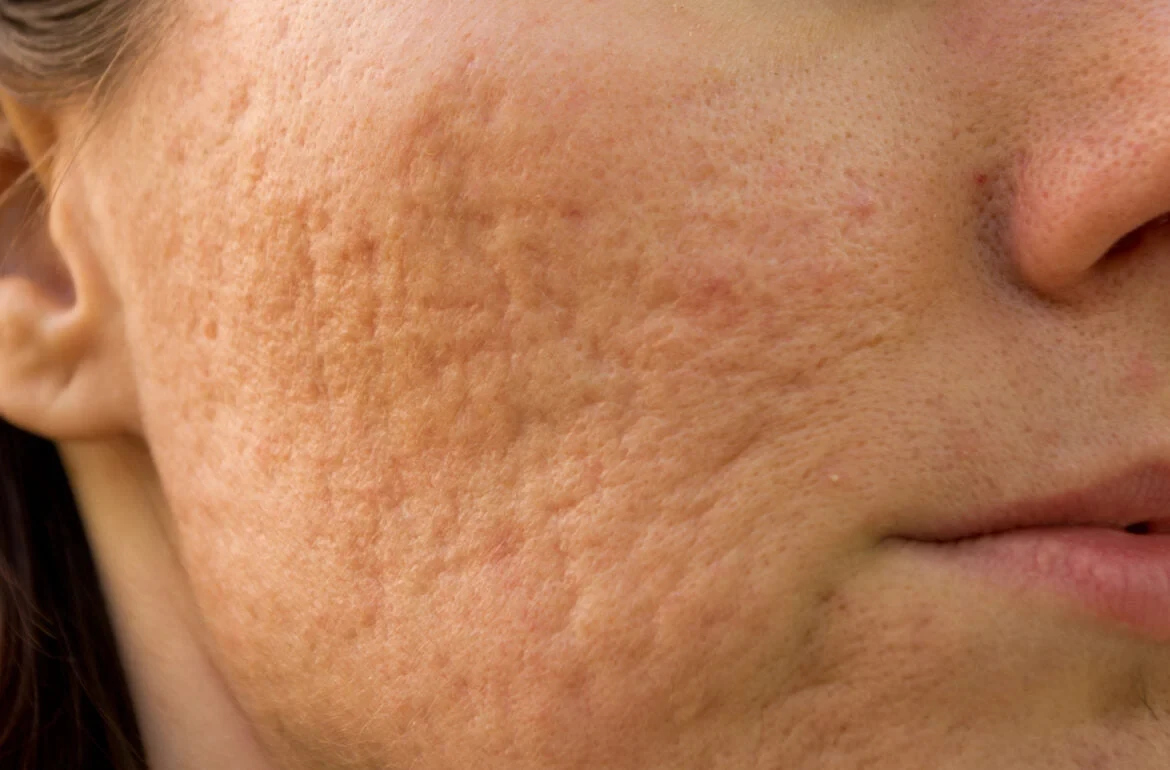
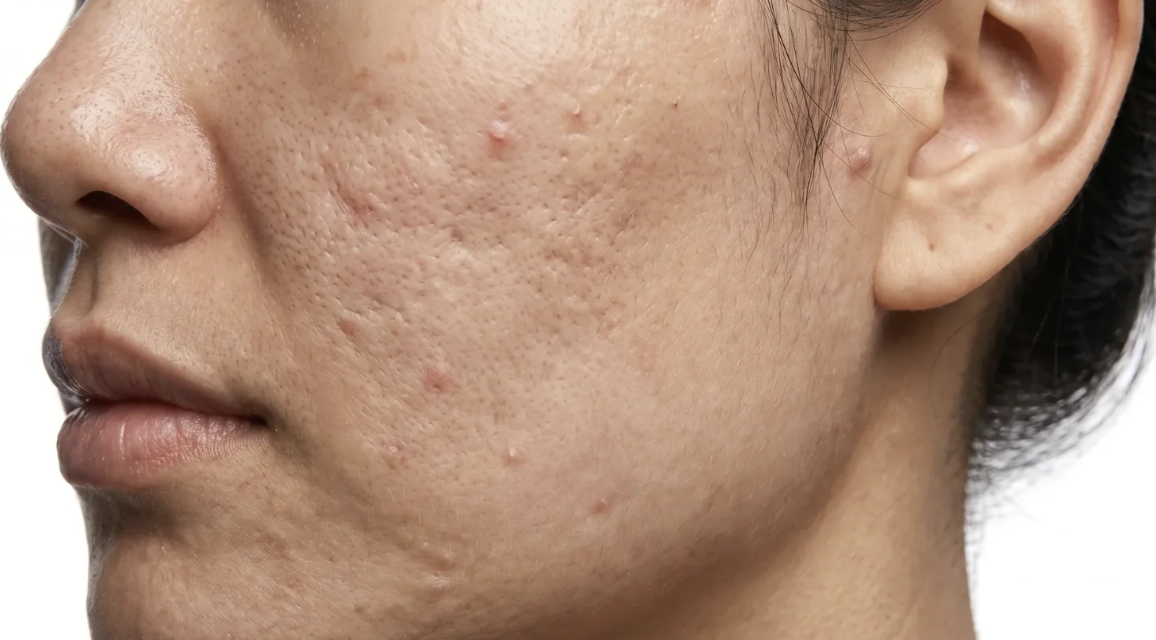
Hormonal acne is a common skin concern affecting adults of all ages. It can be incredibly frustrating to experience breakouts that appear seemingly out of nowhere, often linked to hormonal fluctuations. While these fluctuations are a natural part of life, there are, fortunately, several lifestyle changes that can help manage hormonal acne. This blog post will explore strategies to achieve clearer, healthier skin. What is Hormonal Acne? Hormonal acne is triggered by fluctuations in hormone levels, which can occur during puberty, menstruation, pregnancy, and menopause. Androgens, a type of hormone, often play a significant role in these breakouts. They can
Why You May Have Dull Skin & How to Address It
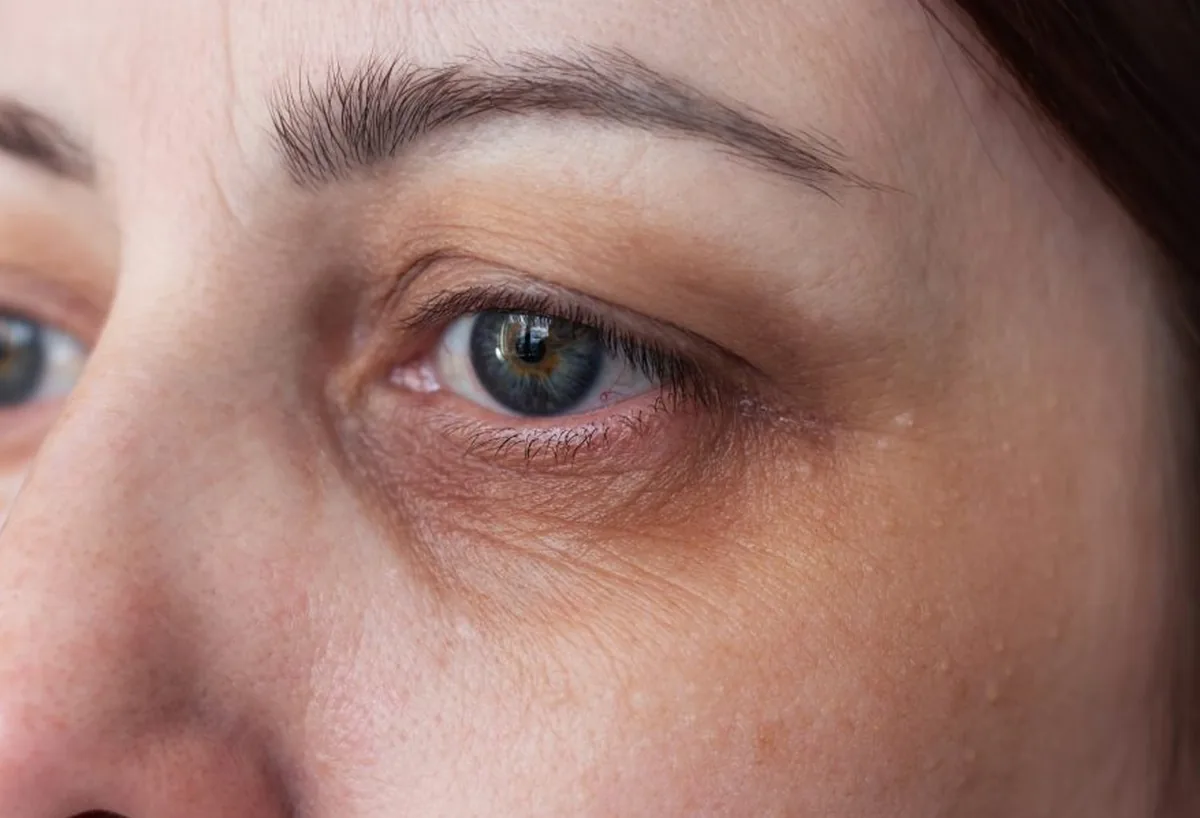
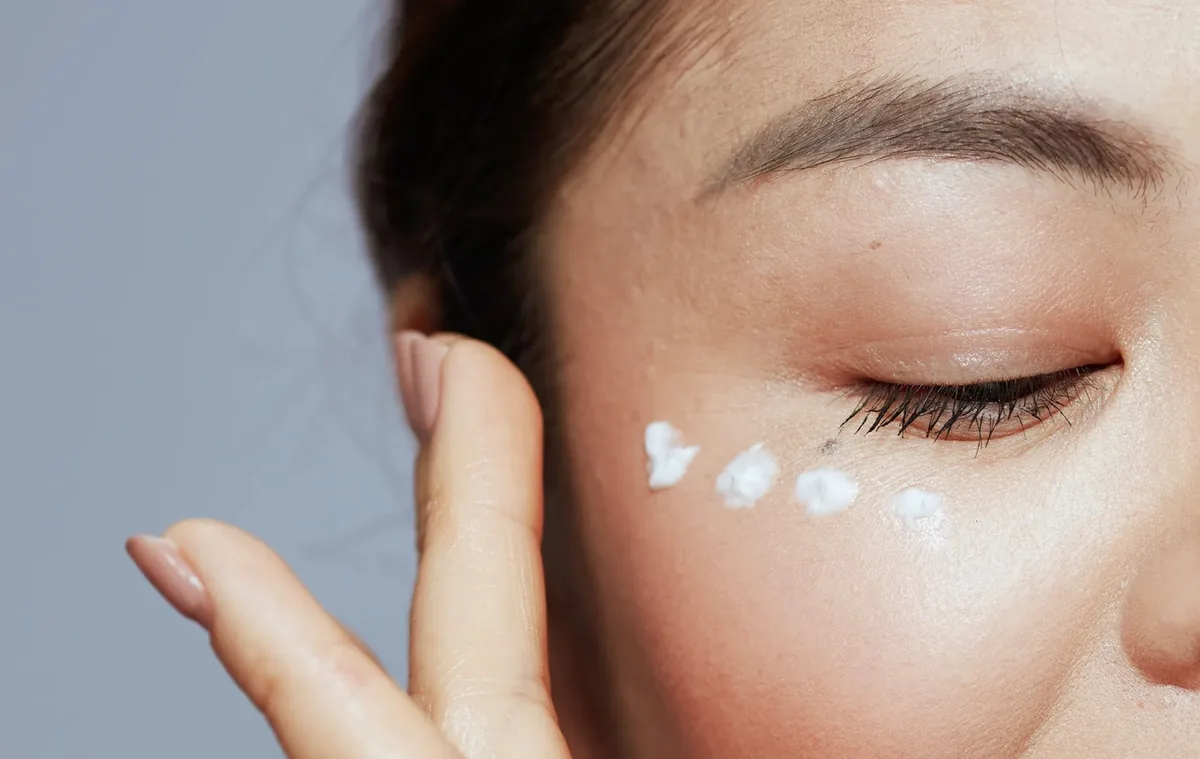
Dull skin is a common issue that can affect individuals of all skin types and ages. It can make us look tired, older, and less vibrant, impacting our overall confidence and self-esteem. But what exactly causes dull skin, and how can we rejuvenate our complexion to achieve a healthy, radiant glow? What is Dull Skin? Dull skin is described as a lack of radiance and luminosity. It often appears lacklustre, with an uneven texture and a greyish or pale tone. Healthy, vibrant skin, on the other hand, reflects light evenly, giving it a radiant and glowy skin appearance. What Causes
All About Cafe Au Lait Spots
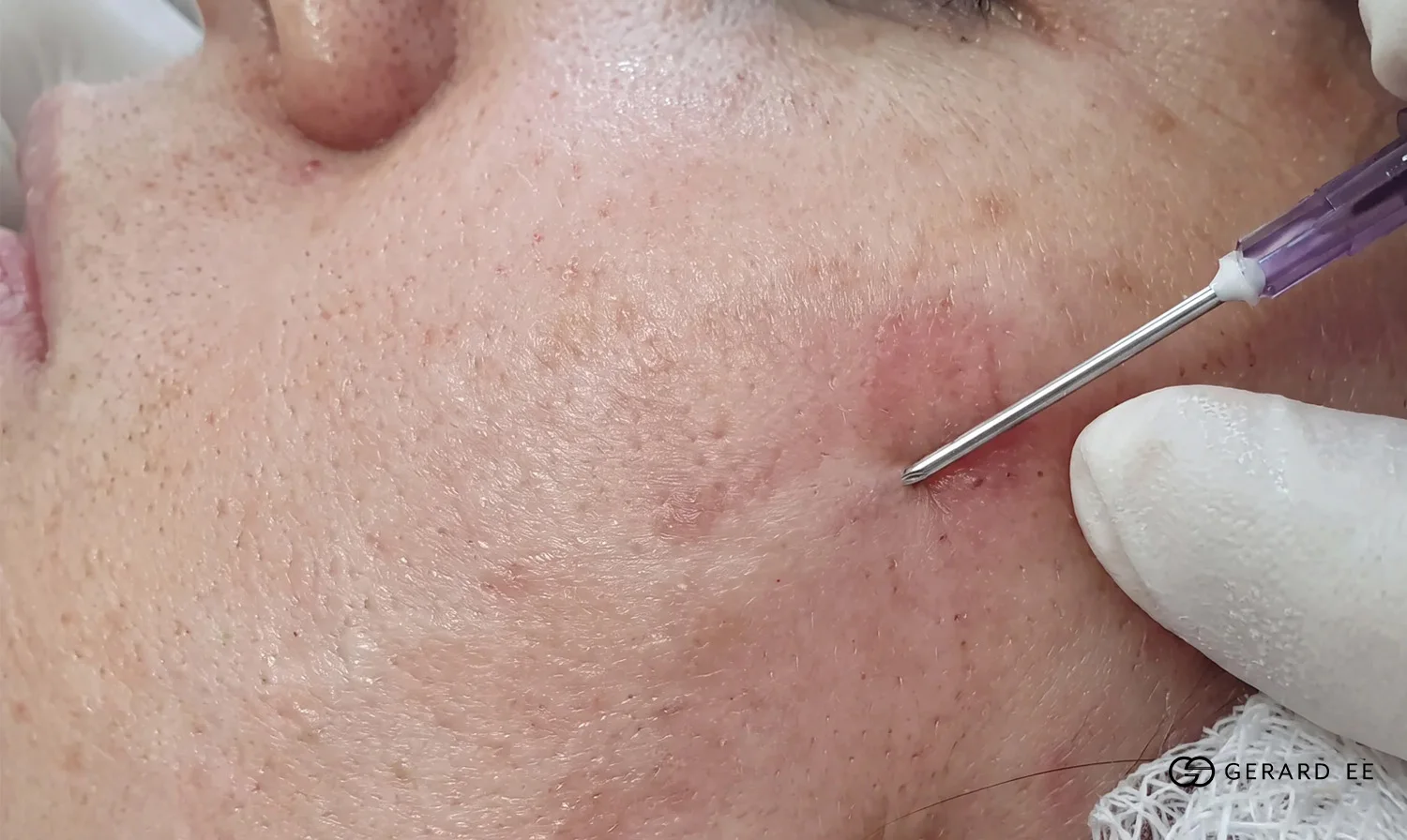
Cafe au lait spots, also known as "coffee with milk" spots, are flat, pigmented birthmarks that get their name from their light brown colour, resembling the hue of coffee mixed with milk. These birthmarks are relatively common, affecting an estimated 10% of the population. What Are Cafe Au Lait Spots? The causes of cafe au lait spots are linked to an overproduction of melanin, the pigment that gives our skin its colour. This overproduction occurs in certain areas of the skin, resulting in the characteristic light brown patches. Cafe au lait spots can come in different sizes and shapes. They
Fraxel Laser vs. CO2 Laser: A Detailed Comparison
Fraxel and CO2 lasers are both popular choices for addressing various skin concerns and achieving a more youthful appearance. However, while they share the goal of skin rejuvenation and resurfacing, they differ significantly in their technology and approach. Understanding the difference between Fraxel lasers and CO2 lasers is essential for making an informed decision about which treatment is right for you. Is Fraxel a CO2 Laser? This is a common question and a frequent point of confusion for many people. However, Fraxel is not a CO2 laser. While both fall under the category of lasers used for skin resurfacing, they
Excision Biopsy for Moles: What You Should Know
Moles, those small, pigmented spots on our skin, are a common occurrence. While most moles are harmless, some may raise concerns due to their size, shape, or changes in appearance. In such cases, an excision biopsy for moles is a standard and safe procedure used for both diagnosis and removal. What is an Excision Biopsy? An excision biopsy is a minor surgical procedure where a specialist removes an entire mole or growth, along with a small margin of surrounding healthy skin. This is often the preferred method for removing suspicious moles, such as an atypical mole, to allow for a
Melanoma vs Carcinoma: Understanding the Difference
With Melanoma Awareness Month approaching in May, it's time to highlight the importance of skin cancer awareness and education. While the terms "melanoma" and "carcinoma" are often used interchangeably, understanding what the difference between carcinoma and melanoma is crucial for early detection, accurate diagnosis, and effective treatment. Both are forms of skin cancer, but they have different characteristics that influence treatment and prognosis. This post aims to clarify the distinctions between these two different types of skin cancer, empowering you with the knowledge to care for your skin health. Similarities of Melanoma and Carcinoma Both melanoma and carcinoma fall under
Skin Cancer Screening in Singapore: What to Expect?
Singapore's tropical climate and high UV index make skin cancer a significant health concern. With year-round sunshine, it's crucial to be vigilant about protecting your skin and undergoing regular skin cancer screening. This blog will guide you through the essentials of the skin cancer screening process, including the prevalence, risk factors, and the screening procedure itself. By understanding these aspects, you can proactively safeguard your skin health. How Common is Skin Cancer? In Singapore, non-melanoma skin cancers are far more prevalent than melanomas. In fact, according to SingHealth, non-melanoma skin cancer ranks as the 6th most common cancer in men
A Guide to Understanding EMface for Facial Rejuvenation
In recent years, the world of aesthetics has evolved greatly to help individuals achieve their desired youthful appearance. One such treatment gaining popularity is EMface, a non-invasive procedure that promises facial rejuvenation by harnessing the power of radiofrequency and electromagnetic energy. EMface aims to lift and tighten the skin while simultaneously toning the underlying facial muscles. By stimulating collagen and elastin production, EMface may also potentially minimise the appearance of wrinkles and fine lines, improve skin texture, and potentially enhance muscle tone for a more defined facial contour. If you're seeking a way to address signs of ageing without surgery,
Rosacea treatment with Pulse Dye Lasers
Rosacea is a chronic inflammatory skin condition that primarily affects the facial area. While its exact cause is not fully understood, several factors contribute to its pathophysiology: Vascular Abnormalities: Blood vessels in the skin become dilated and hypersensitive, leading to persistent redness and flushing. Inflammatory Response: Inflammation is a key factor in rosacea, resulting in skin sensitivity, pimple-like bumps, and overall redness. Neurovascular Dysregulation: Nerves controlling blood vessel constriction and dilation may be dysfunctional, leading to erratic vascular responses. Microbial Factors: An altered skin microbiome might contribute to inflammation and immune response in some individuals. Genetic Predisposition: Family history suggests
Topical Creams together with UVB helps in the treatment of Eczema
The pathophysiology of eczema, also known as atopic dermatitis, is a complex and multifactorial process involving genetic, immunological, and environmental factors. The exact cause of eczema is not fully understood, but it is believed to result from a combination of: Genetic Predisposition: There is a strong genetic component to eczema. Individuals with a family history of eczema or other atopic diseases (such as asthma and hay fever) are more likely to develop eczema. Skin Barrier Dysfunction: People with eczema often have an impaired skin barrier, which leads to increased transepidermal water loss (TEWL) and dry, sensitive skin. The weakened skin