Home›Blog›Acne›Acne Scars & Marks›What Causes Acne Scars?
Understanding the formation of acne scars is fundamental to both their prevention and effective treatment. Patients who comprehend the underlying causes are generally better equipped to make informed decisions regarding treatment options and, critically, preventative measures. In essence, acne scars result from inflammation that extends deeply into the skin; the extent and duration of this inflammation significantly influence the likelihood of scarring. The subsequent sections elucidate the mechanisms involved.
Dr Gerard Ee consults at The Clifford Clinic, 50 Raffles Place, Singapore.
Inflammation is the real cause
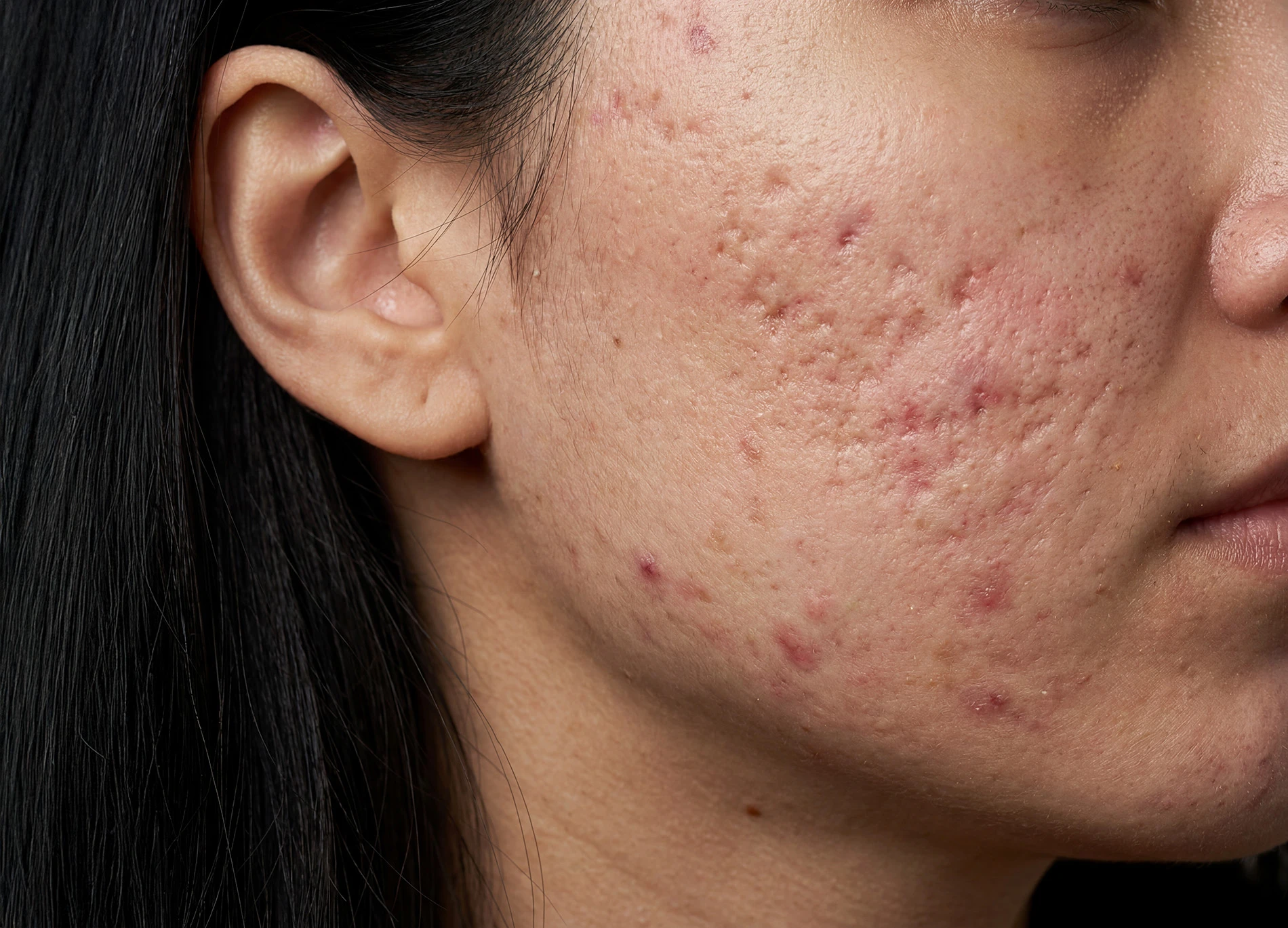
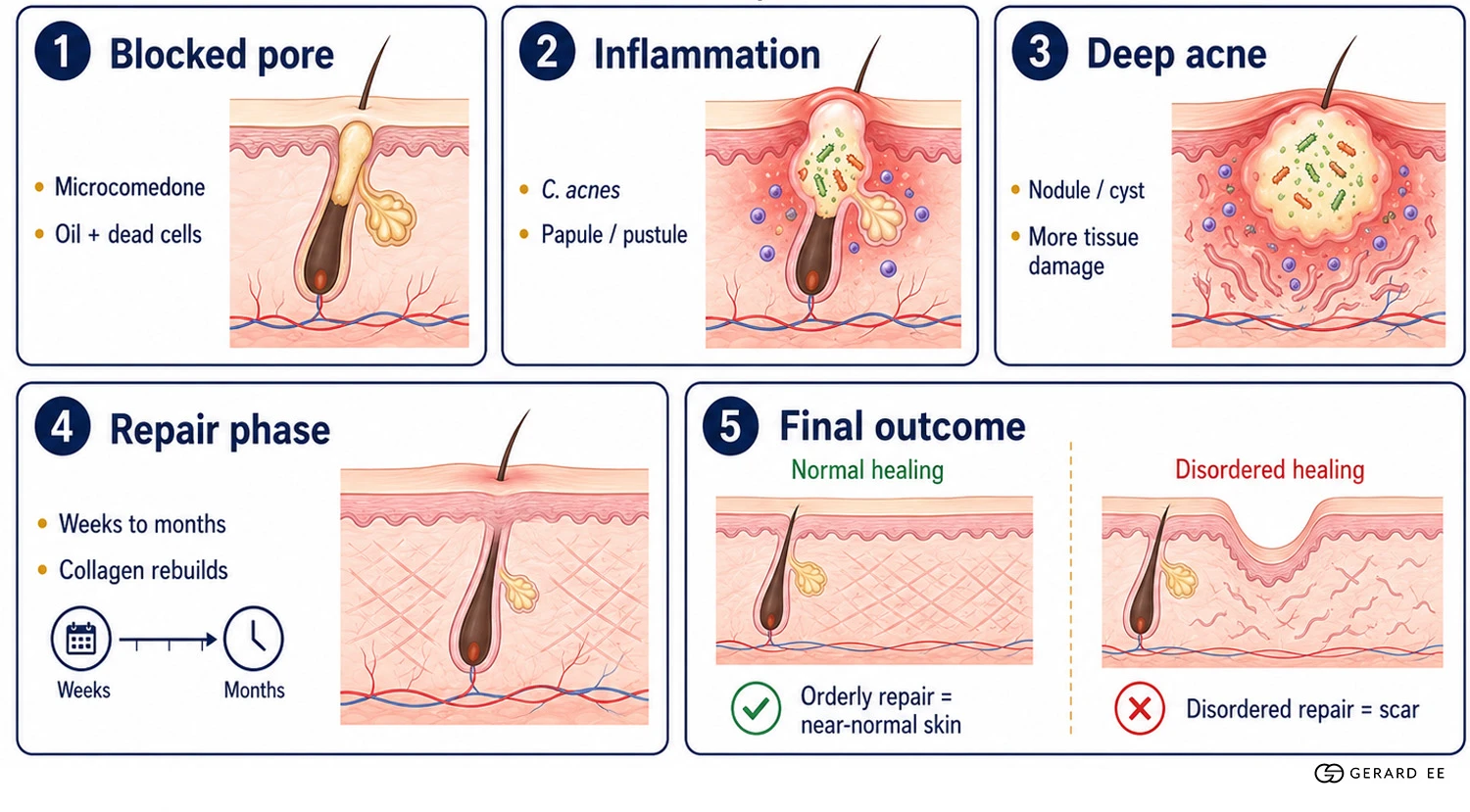
A scar begins with an inflamed pore. When oil, dead skin, and bacteria block a follicle, the immune system responds. If the inflammation is intense or reaches deep, as it does in cystic and nodular acne, it damages surrounding tissue and the collagen that gives skin its structure. As the wound heals, the body remodels collagen, and the outcome is determined at this stage: too little collagen and the surface caves into a depressed scar; too much and a raised one forms. The damage sits deep, which is precisely why no cream applied to the surface can undo it.
This distinction changes how both prevention and treatment should be understood. A scar is not a stain to be bleached away. It is a structural change. The way to have fewer of them is to give the skin less deep inflammation so it does not scar over in the first place.
Why some people scar and others do not
Two individuals may participate in the same breakout session; however, only one may emerge with lasting scars. Several factors account for this disparity:
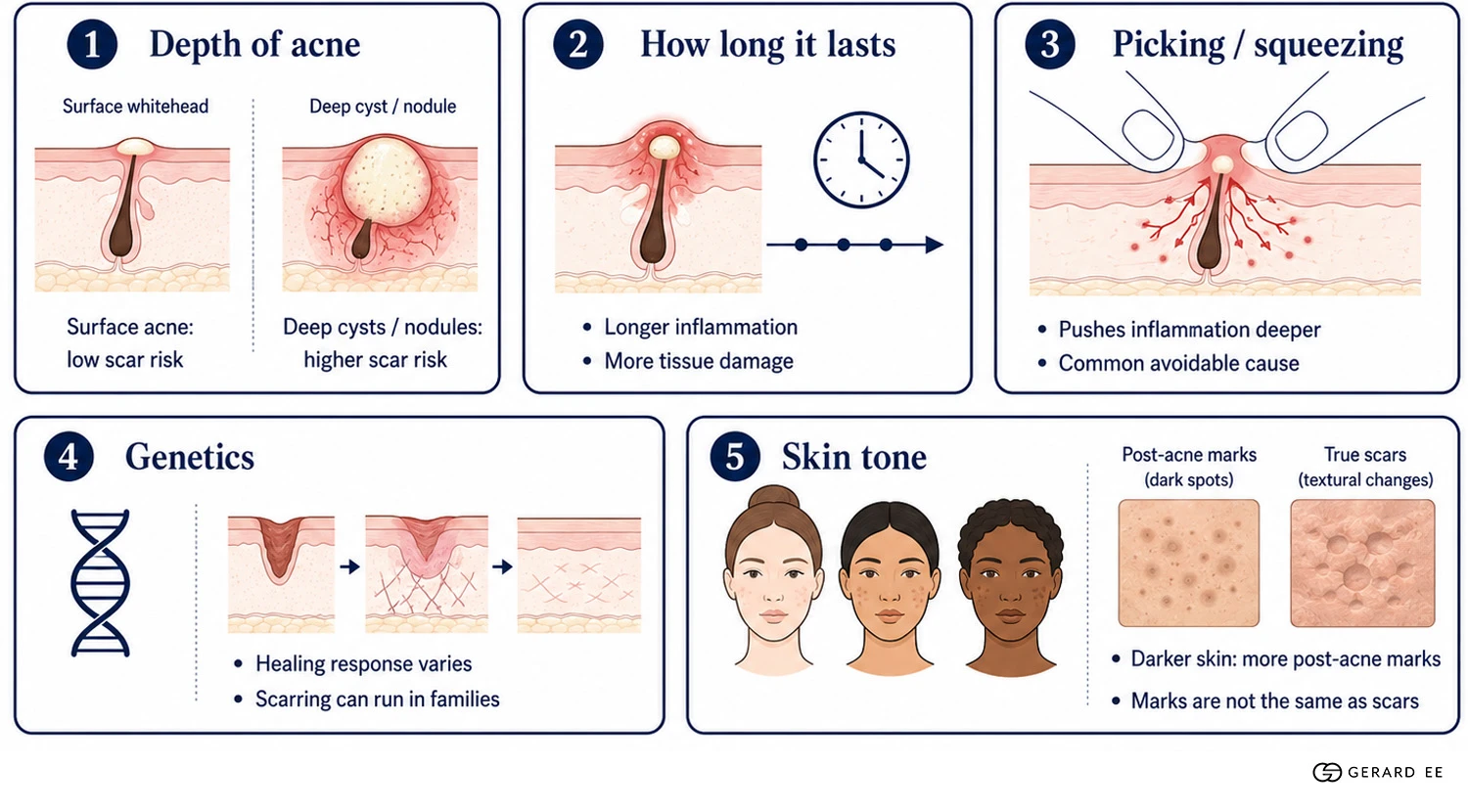
- How deep the acne went:Surface whiteheads rarely scar. Deep cystic and nodular lesions frequently do.
- How long it was left:The longer inflammation smoulders, the more tissue is damaged, which makes delay one of the most modifiable risks of all.
- Picking and squeezing:This drives inflammation deeper and is one of the most common avoidable causes of scarring.
- Genetics:How skin heals and lays down collagen is partly inherited, which is why scarring can run in families.
- Skin tone:Deeper skin tones are more prone to the dark marks that follow a breakout, though these marks are different from true scars.
A common pattern: acne that never quite goes away
A common scenario recurs frequently. A patient experiences recurrent acne over many years and believes it is finally subsiding; however, it persistently persists, and each new outbreak results in incremental scarring. For such patients, the most crucial step is to cease focusing solely on the scars and instead address the underlying cause. The combination of AGNES and Secret RF is specifically designed for this purpose: AGNES directly targets the sebaceous glands to control acne, while the non-insulated Secret RF resurfaces the rough texture associated with chronic acne. Resolving the root cause prevents the formation of new scars.
Scars versus marks
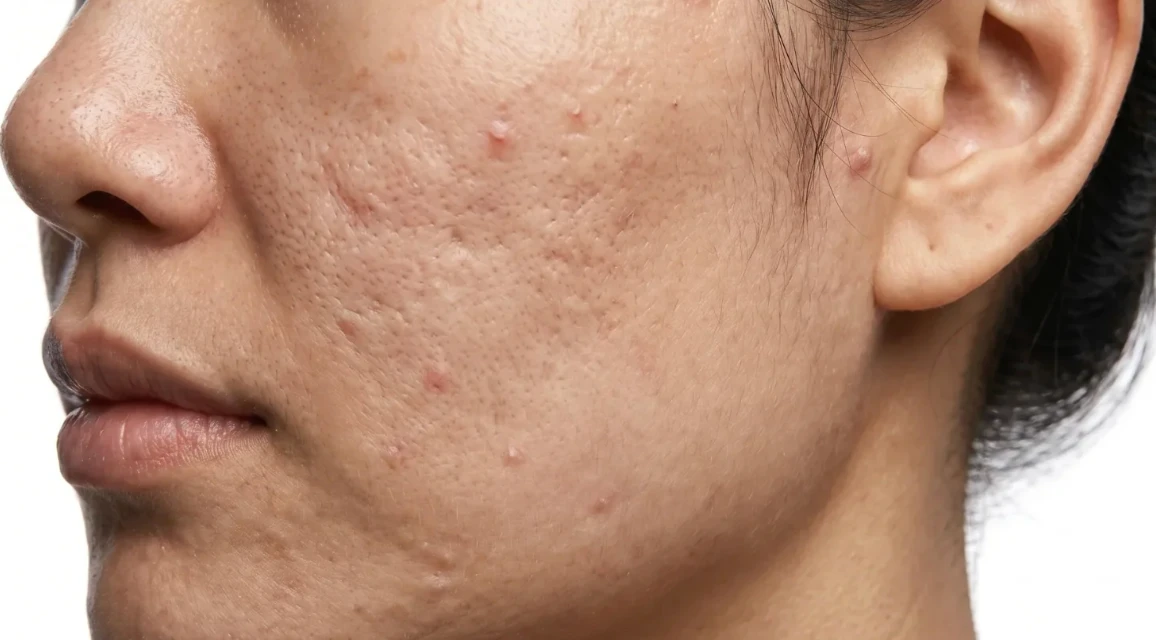
Not everything left by acne is a scar. Flat brown or red discolouration is post-inflammatory pigmentation or redness, and it usually fades over months. A true scar is a change in texture. The two should be distinguished at the first visit, because confusing them leads to paying for the wrong treatment. This is covered in the guide to acne scars versus pigmentation.
Sun protection during active acne
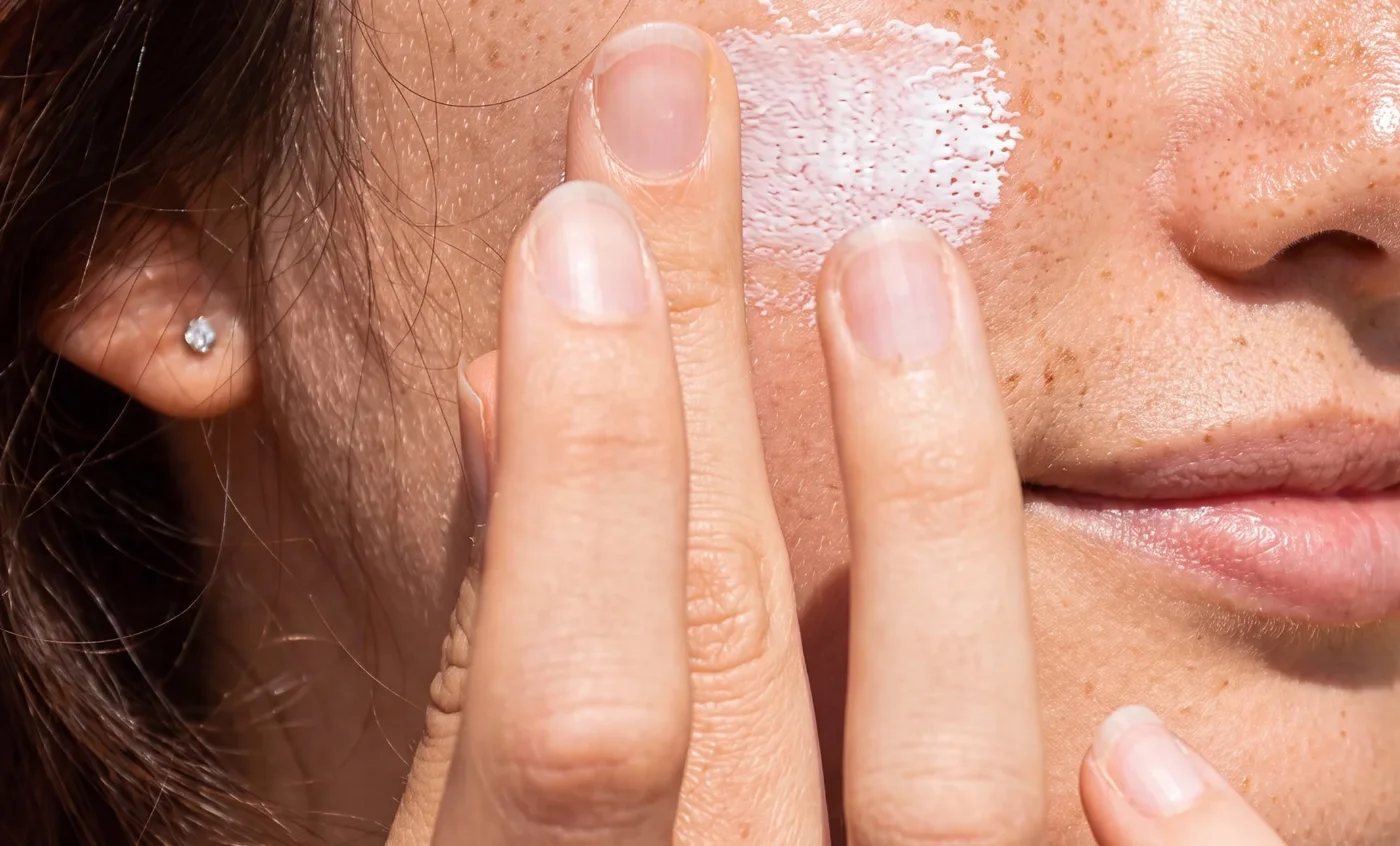
Standard advice is to wear sunscreen at all times, and once the acne is controlled, this holds, as it protects against the marks and pigment that follow breakouts. The nuance concerns the period when the acne is still active. In my clinical experience, heavy sunblocks can congest the skin and trigger more breakouts, which in turn lead to more scars. During active acne, the priority is therefore controlling the acne, and where sun protection is genuinely needed, light non-comedogenic options or a hat and shade are preferable. It is a small distinction that spares many patients an avoidable flare-up.
How to lower the risk of scarring
Prevention is far easier than treatment, and most scarring is avoidable. Active acne should be treated early and properly rather than left to run its course, as bringing it under control quickly is the most powerful anti-scarring measure available. Picking and squeezing should be avoided entirely. A gentle routine helps by not adding irritation to inflammation. And where acne keeps returning despite reasonable efforts, it is worth seeking treatment before it scars. The article on why your AGNES acne treatment did not work may help where previous attempts have fallen short.
If scars have already formed
Once scars have formed, the cause is in the past, and the focus shifts to remodelling collagen at the appropriate depth: RF microneedling, subcision, lasers and biostimulators, matched to the scar type and used in combination rather than alone. The full plan is set out in the complete acne scar treatment guide. The key point for these patients is that improvement is realistic and worthwhile. It is gradual and works best once any remaining acne is controlled.
Which patients scar the most

Some people are more prone to scarring, and understanding the risk factors helps assess individual risk. Epidemiological studies identify male sex, a family history of acne, greater acne severity, truncal (chest and back) involvement, and a longer delay before effective treatment as the main risk factors (prevalence and risk factors, reducing the risk). Several of these are modifiable: genetics cannot be changed, but the duration of inflammation can, which is why early intervention is the cornerstone of prevention rather than an optional extra.
Scarring can also follow even relatively mild acne in susceptible people, because the tendency is partly driven by an individual immune and TGF-beta response rather than by the number of spots alone (atrophic scar immune study). Where acne runs in the family or the skin scars easily, that is all the more reason to seek treatment promptly.
What the research shows
This is not only a clinical impression. Histological studies show that in people prone to scarring, acne provokes a long-lasting immune response with plasma-cell infiltration and alteration of the sebaceous glands (British Journal of Dermatology study), and that the metabolism of collagen and elastic fibres is disturbed, with elevated transforming growth factor (TGF)-beta1 signalling driving the atrophic change (TGF-beta1 study). Epidemiology puts numbers on the risk: most acne patients develop some scarring and roughly half have clinically relevant scars, with acne severity, the extent and duration of inflammation, male sex and family history among the strongest risk factors (pathogenesis review, prevalence and risk factors, reducing the risk).
The practical message from this research is consistent: because the depth and duration of inflammation drive scarring, the single most effective preventive step is to bring the acne under control early, before deep inflammation has time to damage collagen.
The biology of a scar, in more detail
The biology explains why treatment works where it does. During the inflammatory phase of acne, the skin releases matrix metalloproteinases and other enzymes that degrade the extracellular matrix, particularly type I and type III collagen. When the subsequent repair lays down too little collagen, or remodels it abnormally, the result is a net loss of dermal volume. Histologically, atrophic scars show reduced, disorganised collagen, decreased dermal thickness and loss of the normal rete-ridge pattern, with fibrous bands running from the surface into the deeper dermis, the tethering that defines rolling scars.
Each subtype reflects a di-stinct pattern of this damage: rolling scars from fibrous bands tethering the dermis to the tissue beneath, boxcar scars from sharply bordered focal dermal atrophy, and ice pick scars from narrow tracts running deep through the dermis. This structural difference is why a single device cannot treat them all, a principle reflected in the 2022 international consensus on energy-based devices for acne scars (consensus recommendations).
From breakout to scar: the timeline
Scarring does not occur instantaneously; rather, it develops through a recognisable sequence. Initially, a follicle becomes obstructed by excess sebum and retained skin cells, leading to the formation of a microcomedone. If bacteria, primarily Cutibacterium acnes, proliferate and elicit an immune response, the lesion becomes inflamed, evolving from a papule or pustule to, in more severe instances, a deep nodule or cyst. The more extensive and prolonged the inflammation, the greater the destruction of surrounding collagen and supporting tissues. Subsequently, repair processes commence, and during this phase (spanning weeks or months) the outcome is determined. Proper, orderly repair restores skin to near-normalcy, while disordered repair, marked by insufficient or excessive collagen, results in a permanent scar. Therefore, the primary objective remains to minimise the duration of the inflammatory phase.
Inflammatory versus non-inflammatory acne
Not all acne carries the same scarring risk. Non-inflammatory acne, comprising open and closed comedones (blackheads and whiteheads), lies near the skin’s surface and rarely scars on its own. Inflammatory acne is the concern. Papules and pustules carry a moderate risk, while nodulocystic acne, with deep and painful lesions, carries the highest risk, as the inflammation reaches the deep dermis where structural collagen lies. Truncal acne on the chest and back also scars readily and is often undertreated. Recognising the type present helps predict risk and set the urgency of treatment.
The sebaceous gland, hormones and lifestyle
Acne is fundamentally a disorder of the sebaceous gland. Androgens stimulate these glands to produce more sebum, which is why acne commonly flares during puberty, around the menstrual cycle, and in conditions of androgen excess. Retained sebum feeds bacterial growth and drives inflammation. This central role of the oil gland is the reason treatments that act directly on it, such as AGNES radiofrequency, address a root driver rather than only the surface. Diet appears to play a smaller, supporting role, with some evidence linking high-glycaemic-load foods and, less consistently, dairy to acne severity, while stress and inadequate sleep can aggravate flares. These factors matter because anything that prolongs or intensifies inflammation raises the risk of scarring.
Why picking produces the worst scars
Manipulating a lesion is one of the most avoidable causes of scarring. Squeezing or picking ruptures the follicle wall deeper into the dermis, spreads inflammatory material into surrounding tissue, and introduces further bacteria, all of which intensify and prolong the inflammatory response. Repeated picking can also produce excoriated lesions that scar. The single most useful habit for anyone prone to acne is to leave lesions alone and treat the inflammation medically instead.
Why scarring risk is partly inherited
Two individuals with similar acne conditions can experience markedly different healing processes, a variance partly attributable to genetic factors. The propensity to develop scars is indicative of how an individual’s immune system and fibroblasts respond to inflammation, including the regulation of collagen synthesis and degradation, as well as the severity of the local immune response. Consequently, acne scarring may be familial, and some individuals are predisposed to scarring even after mild cases of acne. A documented family history or a personal history of easy scarring warrants a more proactive and earlier approach to acne treatment, as the underlying predisposition is unalterable; however, the extent of inflammation can be managed.
When to seek treatment early
Because the window to prevent scarring closes once the skin has healed, early treatment is the most effective protection. Professional assessment is worth seeking when lesions are deep, painful, or cystic; when scarring or dark marks are already appearing; when over-the-counter products have not worked after a reasonable trial; when acne is widespread or involves the chest and back; or when there is a family history of scarring. In these situations, prescription therapy, which may include topical retinoids, oral treatment or, for severe cases, isotretinoin, can shorten the inflammatory phase and prevent scars that would otherwise be permanent.
The bottom line
Acne scars are caused by deep, prolonged inflammation that damages collagen, and the people who scar most are those with deep or long-lasting acne, which is largely controllable. Treating acne early, avoiding picking, and being thoughtful about skincare all reduce the risk. Where scars have already formed, they can be improved. Continue with the types of acne scars or do acne scars fade on their own.

Dr Gerard Ee, Aesthetic Doctor in Singapore
Dr Gerard Ee is an aesthetic doctor in Singapore and the Medical Director of his practice at 50 Raffles Place. He graduated from St George’s, University of London, trained in surgery at Singapore General Hospital and the National University Hospital, and holds the MRCS (Edinburgh) and a postgraduate diploma in practical dermatology from Cardiff University.
He has practised aesthetic medicine since 2012, is the author of sixteen peer-reviewed papers, and writes and medically reviews every article on this site. Read more about Dr Gerard Ee.

Book a consultation with Dr Gerard Ee at The Clifford Clinic
Dr Gerard Ee consults at The Clifford Clinic, 50 Raffles Place, Singapore. Consultations are by appointment. Message the clinic on WhatsApp, or call 6532 2048.
Frequently Asked Questions
What is stage 4 acne?
Stage 4 (severe) acne involves widespread inflamed papules, pustules and deep nodules or cysts. Because the inflammation is deep, it carries the highest risk of scarring, which is why severe acne is best treated promptly rather than waited out.
What makes acne scars worse?
Deep, prolonged inflammation, picking or squeezing, and delayed treatment all worsen scarring. During active acne, heavy occlusive sunblocks can also congest the skin and trigger more breakouts.
Does everyone with acne get scars?
No. Scarring depends on how deep and prolonged the inflammation was, genetics, and whether lesions were picked. Mild surface acne rarely scars. Deep cystic acne often does, especially if left untreated.
Can acne scars be prevented?
Largely, yes. Treating active acne early and never picking substantially reduce new scarring. Prevention is far easier than treating established scars.
Written, medically reviewed and with expert opinion by Dr Gerard Ee, aesthetic doctor and Founder & Medical Director of The Clifford Clinic. This article reflects my clinical experience treating acne scars in Singapore and is intended for general education, not medical advice. Treatment suitability, results, downtime and cost vary from person to person. Please arrange a consultation for advice specific to your skin.
References
Sources cited on this page
Key references
- Atrophic scar formation involves long-acting immune responses with plasma cells and alteration of sebaceous glands. PubMed.
- Atrophic acne scar: altered metabolism of elastic and collagen fibres via TGF-beta1 signalling. PubMed.
- Acne Scarring, Pathogenesis, Evaluation, and Treatment Options. PubMed.
- Prevalence and risk factors of acne scars in patients with acne vulgaris. PubMed.
- Understanding and Reducing the Risk for Acne Scarring. PubMed.
Comparative trials cited
- Salameh F, Shumaker PR, Goodman GJ, et al. Energy-based devices for the treatment of acne scars: 2022 international consensus recommendations. Lasers Surg Med. 2022;54:10-26. Journal.
This page is written from published research and from clinical experience in Singapore since 2012. It is for general education, not medical advice. Whether a treatment suits you, what it may achieve and what it may risk can only be established at a consultation. Dr Gerard Ee is the Medical Director of The Clifford Clinic, a private clinic in Singapore, and treatments discussed on this site are provided commercially.