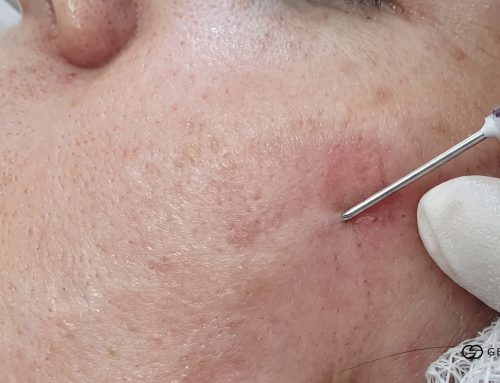
Hormonal acne is a common skin concern affecting adults of all ages. It can be incredibly frustrating to experience breakouts that appear seemingly out of nowhere, often linked to hormonal fluctuations. While these fluctuations are a natural part of life, there are, fortunately, several lifestyle changes that can help manage hormonal acne. This blog post will explore strategies to achieve clearer, healthier skin.
Dr Gerard Ee consults at The Clifford Clinic, 50 Raffles Place, Singapore.
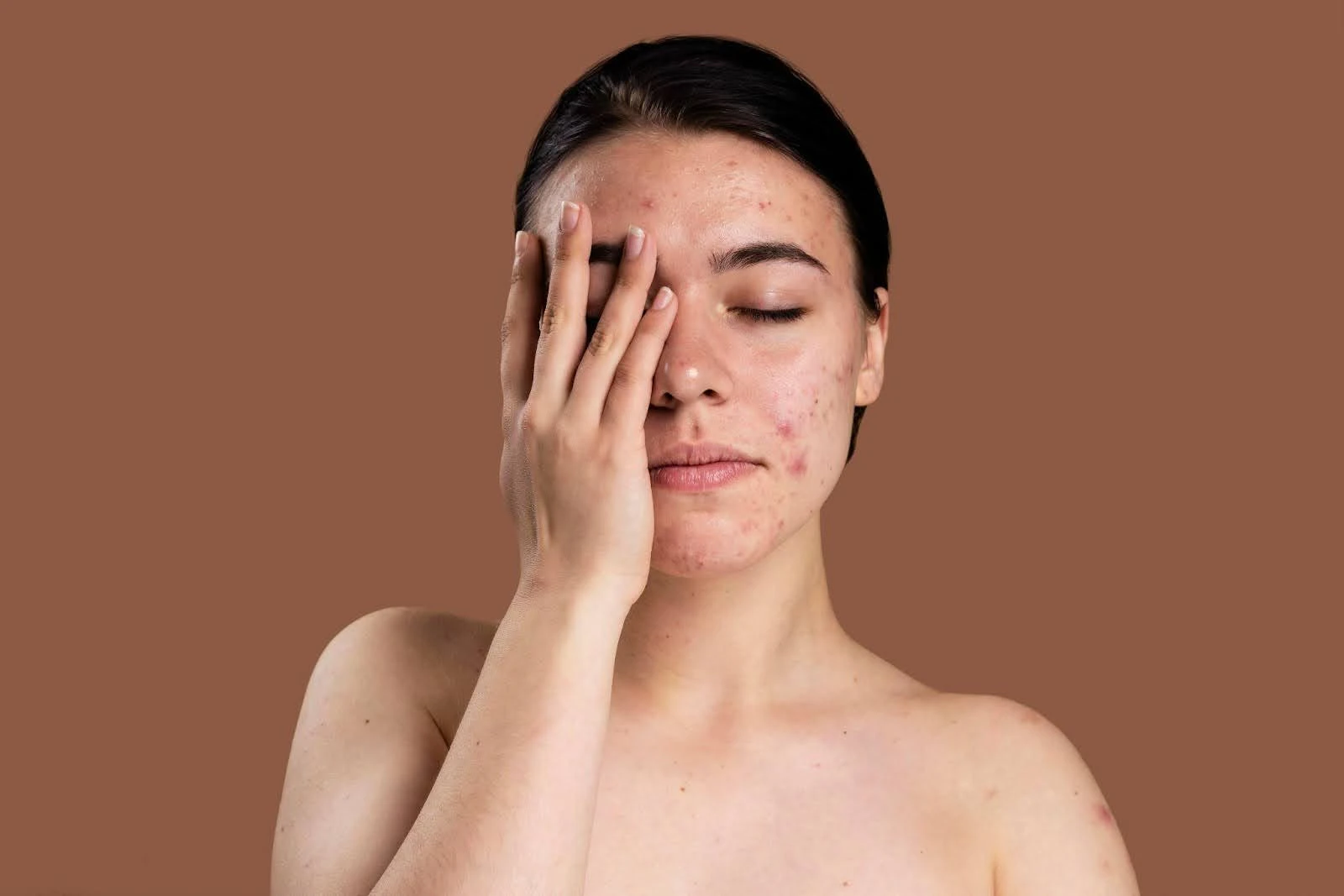
What is Hormonal Acne?
Hormonal acne is triggered by fluctuations in hormone levels, which can occur during puberty, menstruation, pregnancy, and menopause. Androgens, a type of hormone, often play a significant role in these breakouts. They can stimulate excess sebum production, leading to clogged pores and inflammation.
How to Care for Hormonal Acne
While there is no instant solution to eliminate hormonal acne, adopting a holistic approach that combines lifestyle adjustments with a consistent skincare routine could improve one’s skin health.
1. How Do You Manage Stress for Hormonal Acne?
Stress can negatively impact the body, including the skin. When stressed, the body produces more cortisol, a hormone that exacerbates hormonal acne. Therefore, incorporating stress management techniques into one’s daily routine could be beneficial. You can consider relaxation techniques such as meditation, deep breathing exercises, or yoga. Even simple activities like listening to calming music or spending time in nature could help lower stress levels and potentially reduce breakouts.
2. What Skin Care Products Are Good for Acne?
Selecting appropriate skincare products is essential for managing acne-prone skin. Hence, it is best to opt for non-comedogenic (non-pore-clogging) and gentle formulations specifically designed for acne. It is also recommended to look for ingredients like salicylic acid, which helps exfoliate and unclog pores, and centella asiatica, known for its soothing and anti-inflammatory properties.
While over-the-counter products can be helpful for more severe or persistent acne, it is important to consult a qualified professional. They may recommend prescription medications like isotretinoin, which can treat acne by reducing sebum production and inflammation.
3. What Diet and Hydration Tips Are There for Hormonal Acne?
Diet can also influence skin health. Research suggests that a low-glycemic index (GI) diet may help regulate blood sugar levels and, consequently, hormonal balance. Hence, it may be beneficial to focus on consuming complex carbohydrates like whole grains, vegetables, and fruits while limiting refined sugars and processed foods. Maintaining adequate hydration is also crucial for overall skin health, so aim to drink plenty of water throughout the day.
4. What Supplement is Good for Hormonal Acne?
While further research is needed, some studies indicate that spearmint tea may help manage androgen levels, which can contribute to hormonal acne. You can consider incorporating a cup or two of spearmint tea into your daily routine. However, it is always advisable to consult with a healthcare professional before starting any new supplements, especially if you have any underlying health conditions or are taking medication.
5. How Do You Improve Sleep Hygiene for Hormonal Acne?
Prioritising good sleep hygiene is vital for maintaining hormonal balance and promoting healthy skin, as sleep deprivation can disrupt hormone production and exacerbate acne. It is recommended to aim for 7-9 hours of quality sleep each night, establish a relaxing bedtime routine, and avoid caffeine and screen time before bed. It is also best to create a sleep-conducive environment that is cool, dark, and quiet to improve your sleep quality.
Achieving Clearer Skin
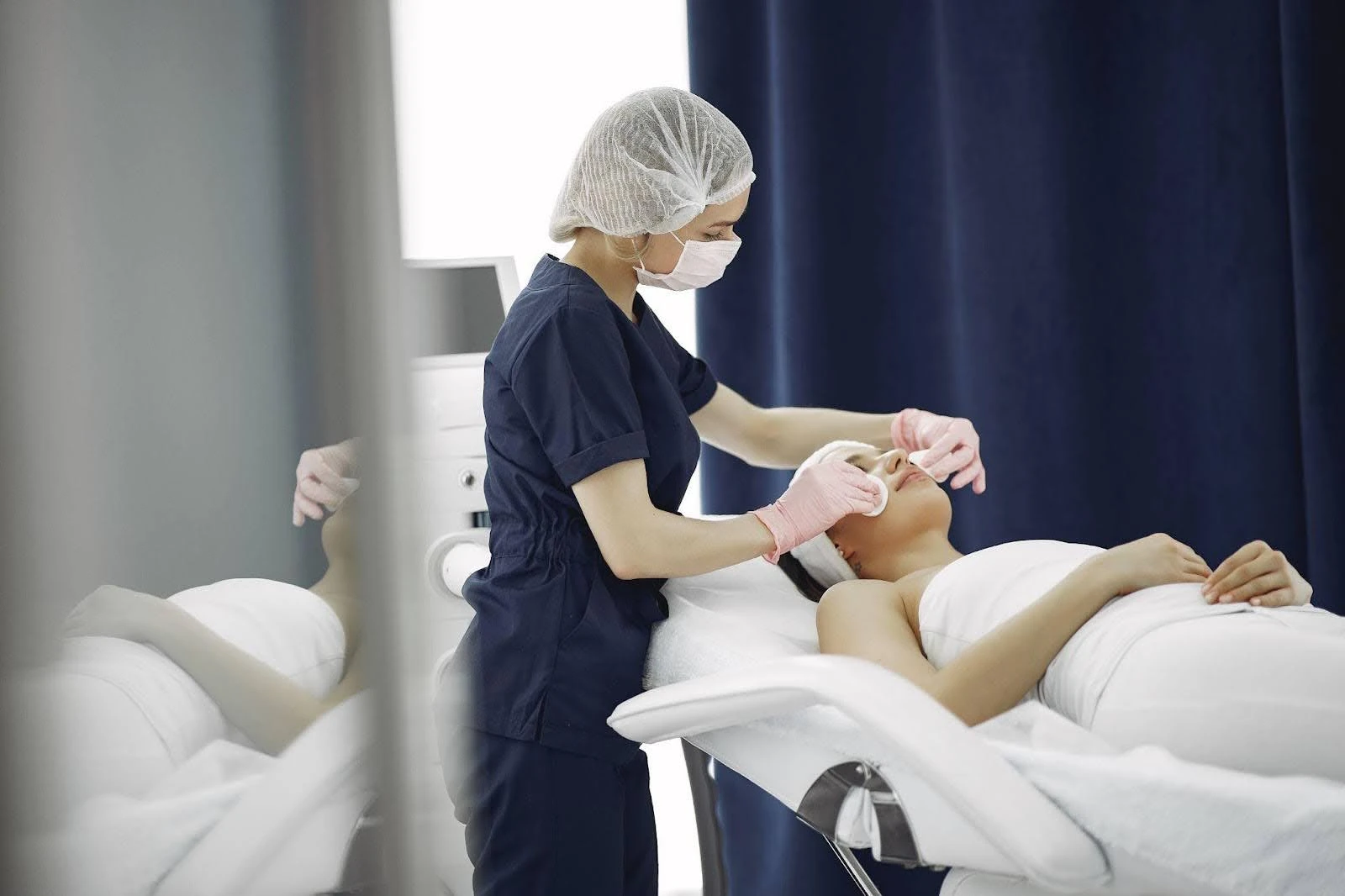
Managing hormonal acne requires a multi-faceted approach. However, by incorporating these lifestyle changes and adopting a consistent skincare routine, individuals could take proactive steps toward achieving clearer, healthier skin.
If you are struggling with persistent hormonal acne or find that lifestyle changes alone are not providing sufficient relief, seeking professional advice is crucial.
Dr Gerard Ee and his team are dedicated to providing personalised care and support to help you achieve your skin goals. For those seeking adult acne treatment in Singapore, I offer a range of options for acne and acne scarring, including the AGNES RF Laser Treatment, which aims to target and reduce sebaceous glands to help control oil production and prevent future breakouts. I also offer AviClear, a light-based treatment that targets the source of acne without harsh side effects like post-inflammatory hyperpigmentation.
Book a consultation with me at The Clifford Clinic to go through the options that suit you.

Book a consultation with Dr Gerard Ee at The Clifford Clinic
Dr Gerard Ee consults at The Clifford Clinic, 50 Raffles Place, Singapore. Consultations are by appointment. Message the clinic on WhatsApp, or call 6532 2048.
This page is written from published research and from clinical experience in Singapore since 2012. It is for general education, not medical advice. Whether a treatment suits you, what it may achieve and what it may risk can only be established at a consultation. Dr Gerard Ee is the Medical Director of The Clifford Clinic, a private clinic in Singapore, and treatments discussed on this site are provided commercially.