Haemangioma and port wine stain (PWS) are both types of birthmarks that appear as red or purple marks on the skin. However, they have some significant differences.
Dr Gerard Ee consults at The Clifford Clinic, 50 Raffles Place, Singapore.
What a haemangioma is
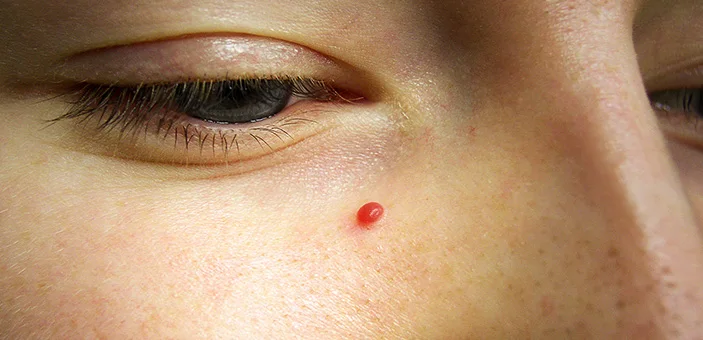
Haemangiomas are benign tumors that are made up of abnormal blood vessels. They can occur anywhere on the body, but they are most common on the face, scalp, chest, and buttocks. Haemangiomas are more common in infants and usually appear within the first few weeks of life. They are often called “strawberry marks” because of their reddish color and bumpy texture.
What a port wine stain is
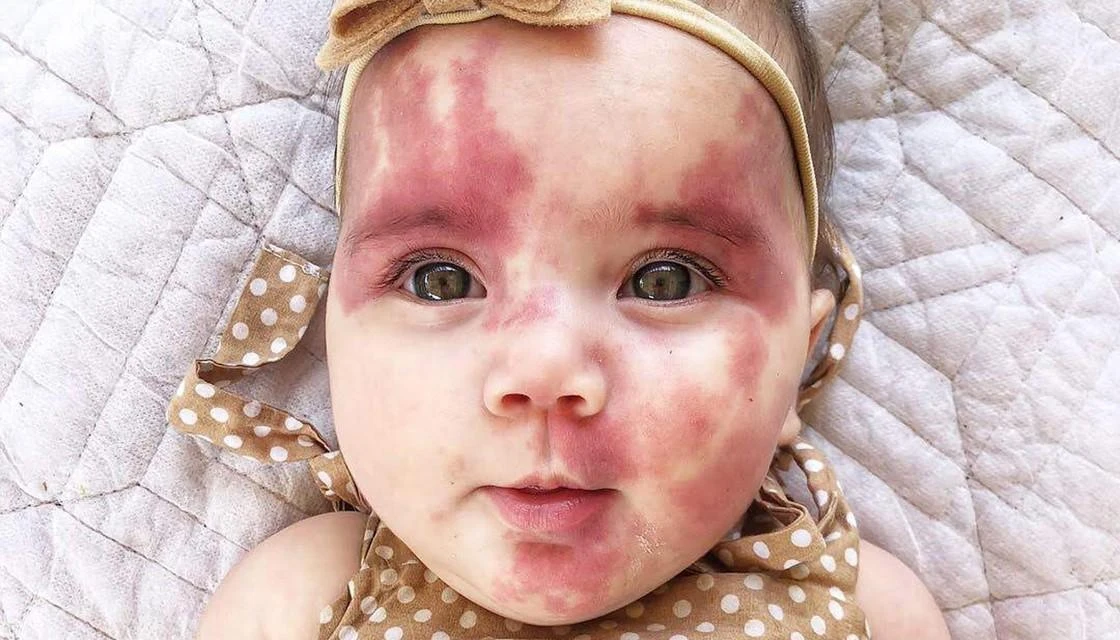
PWS, on the other hand, are caused by an overgrowth of blood vessels in the affected area. They can occur anywhere on the body, but they are most common on the face, neck, and limbs. PWS are present at birth and do not change in size or color over time. They are flat and do not have a bumpy texture.
Port wine stain vs haemangioma: the key differences
The main difference between haemangioma and PWS is their cause and appearance. Haemangiomas are benign tumors that usually disappear on their own within a few years, while PWS are caused by an overgrowth of blood vessels and persist into adulthood. Haemangiomas are reddish and bumpy, while PWS are flat and do not change in size or color over time.
V Beam laser treatment for port wine stains
Port Wine Stains can be treated with a V Beam laser. V Beam laser is a type of pulse dye laser that is specifically designed to treat port wine stains (PWS). It uses a high-energy beam of light to target and destroy the abnormal blood vessels that cause PWS. The laser is absorbed by the blood vessels, causing them to break down and be absorbed by the body.
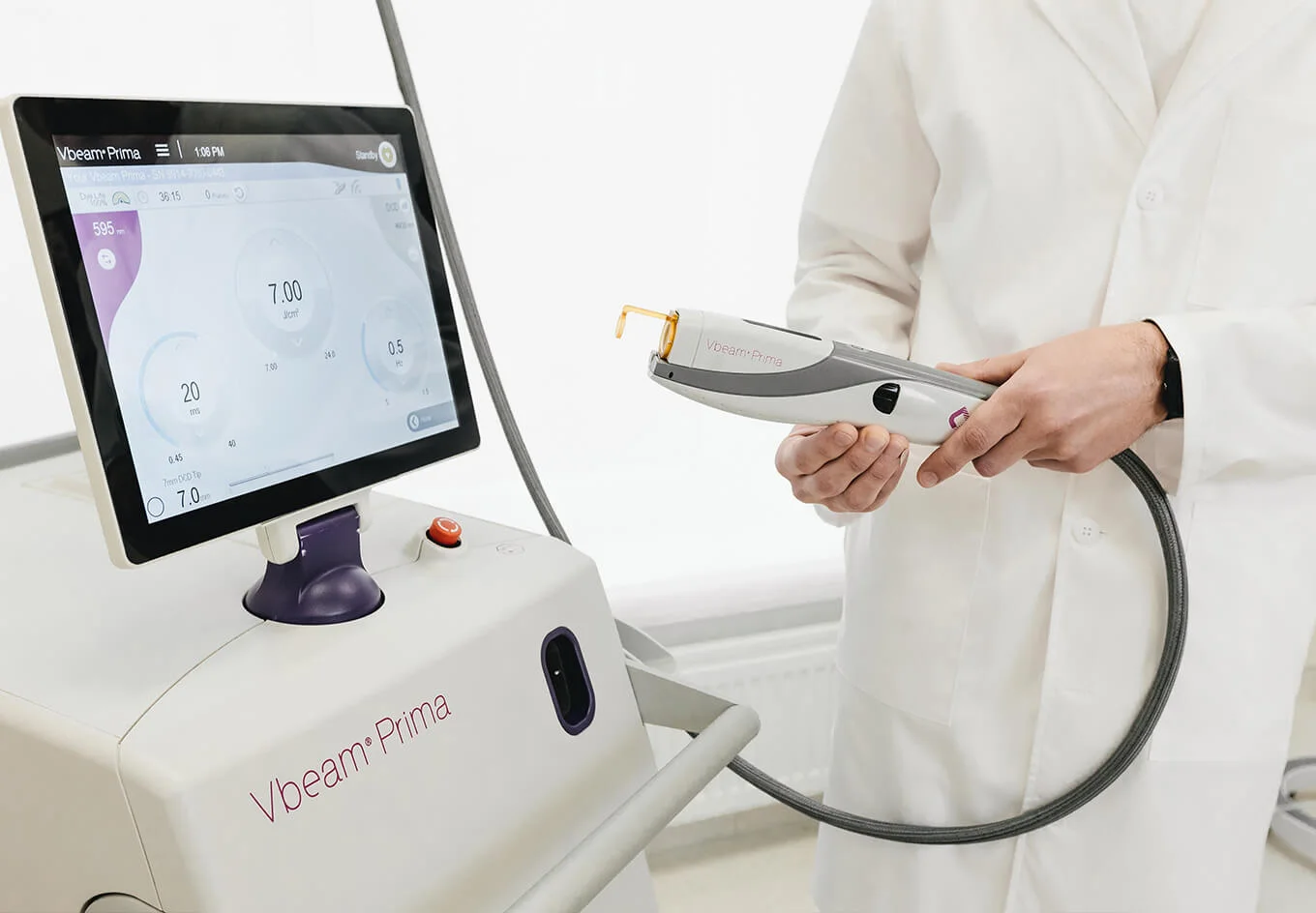
The laser works by emitting a beam of light that is absorbed by the blood vessels in the PWS. The absorbed light is converted into heat energy, which damages the walls of the blood vessels and causes them to break down. As the blood vessels break down, they are absorbed by the body and the PWS begins to fade.
V Beam laser also has a cooling device that helps to protect the surrounding skin from the heat of the laser. This makes it a safer and more comfortable option for patients with sensitive skin.
In summary, haemangioma and PWS are both types of birthmarks that appear as red or purple marks on the skin. Haemangiomas are benign tumors that are made up of abnormal blood vessels and usually disappear on their own within a few years, while PWS are caused by an overgrowth of blood vessels and persist into adulthood. Haemangiomas are reddish and bumpy, while PWS are flat and do not change in size or color over time.

Book a consultation with Dr Gerard Ee at The Clifford Clinic
Dr Gerard Ee consults at The Clifford Clinic, 50 Raffles Place, Singapore. Consultations are by appointment. Message the clinic on WhatsApp, or call 6532 2048.
This page is written from published research and from clinical experience in Singapore since 2012. It is for general education, not medical advice. Whether a treatment suits you, what it may achieve and what it may risk can only be established at a consultation. Dr Gerard Ee is the Medical Director of The Clifford Clinic, a private clinic in Singapore, and treatments discussed on this site are provided commercially.