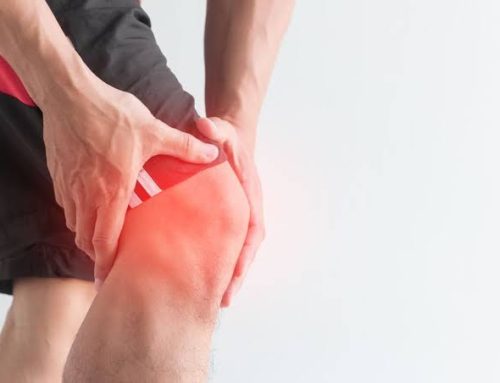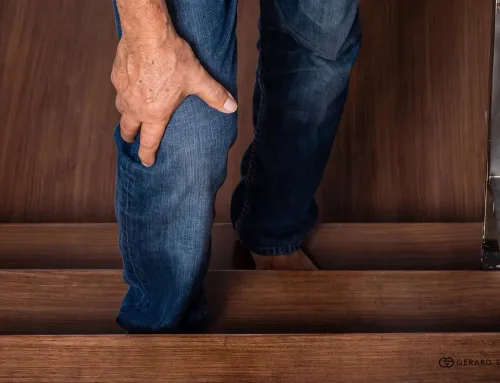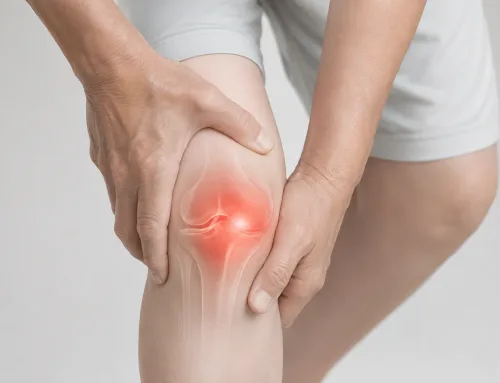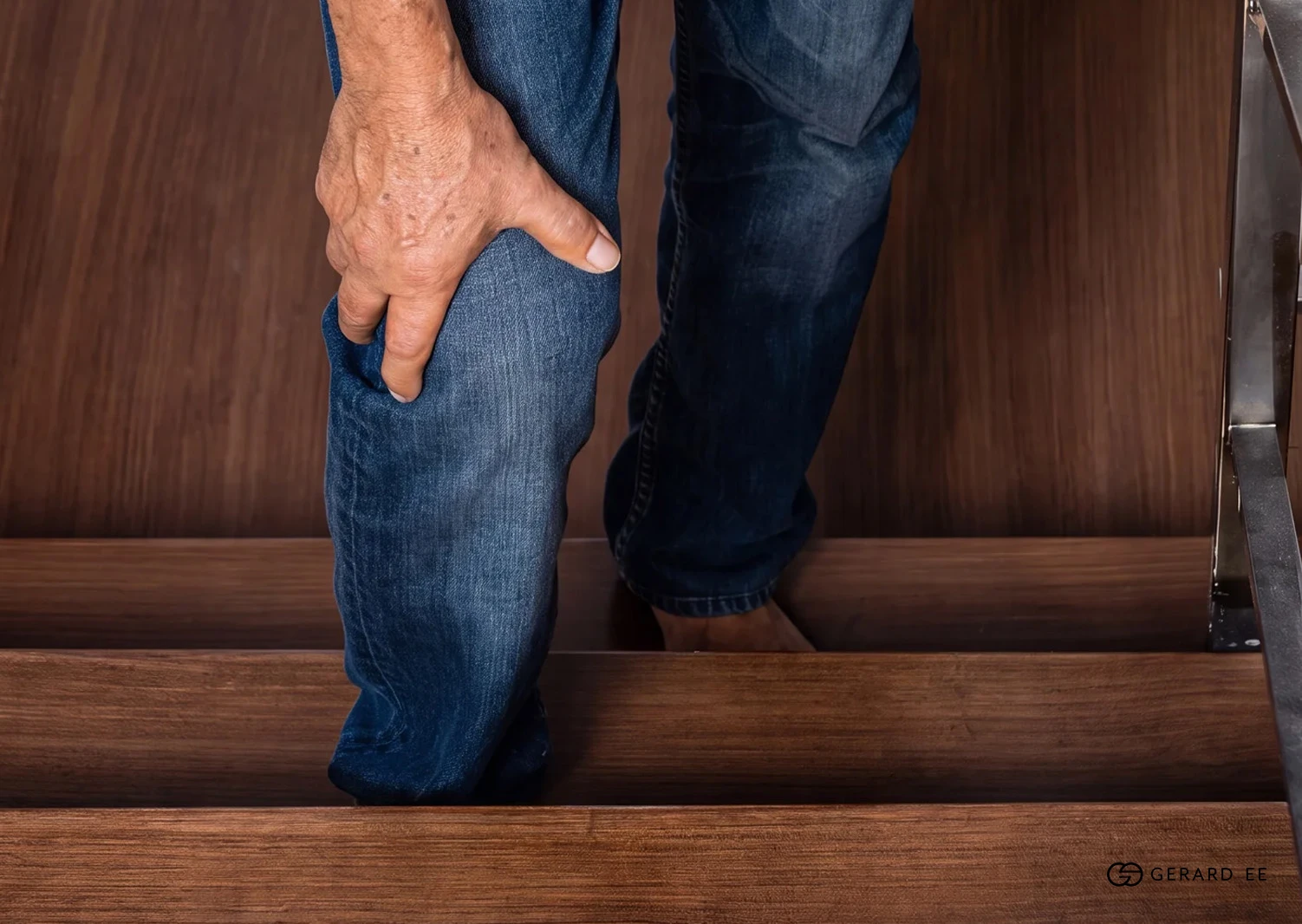
Climbing the stairs is one of the few activities that can reveal the condition of your knees. If you have healthy knees, going up the stairs is likely something you do without thinking. But the moment something goes wrong in your knee, even mundane things like climbing a flight of stairs can suddenly become painful.
Dr Gerard Ee consults at The Clifford Clinic, 50 Raffles Place, Singapore.
This guide explains the most common reasons for knee pain when climbing stairs, what the pattern of pain suggests, what conservative and physical therapy treatment options you can try out, when you should seek medical intervention, and what type of knee injection treatments are available in Singapore.
Why Stairs Stress the Knee
The patellofemoral joint (PFJ) is a complex structure located between the kneecap and the thigh bone. It serves as a mechanical lever that allows for the straightening of the knee and a force distributor that distributes compressive forces generated during physical activity like walking or climbing stairs. If there is an issue with any of the components that make up the PFJ, such as weak quadriceps, irritated cartilage behind the kneecap, mild osteoarthritis or an inflamed tendon, you will most likely notice it as it will manifest as pain when you use your knee.
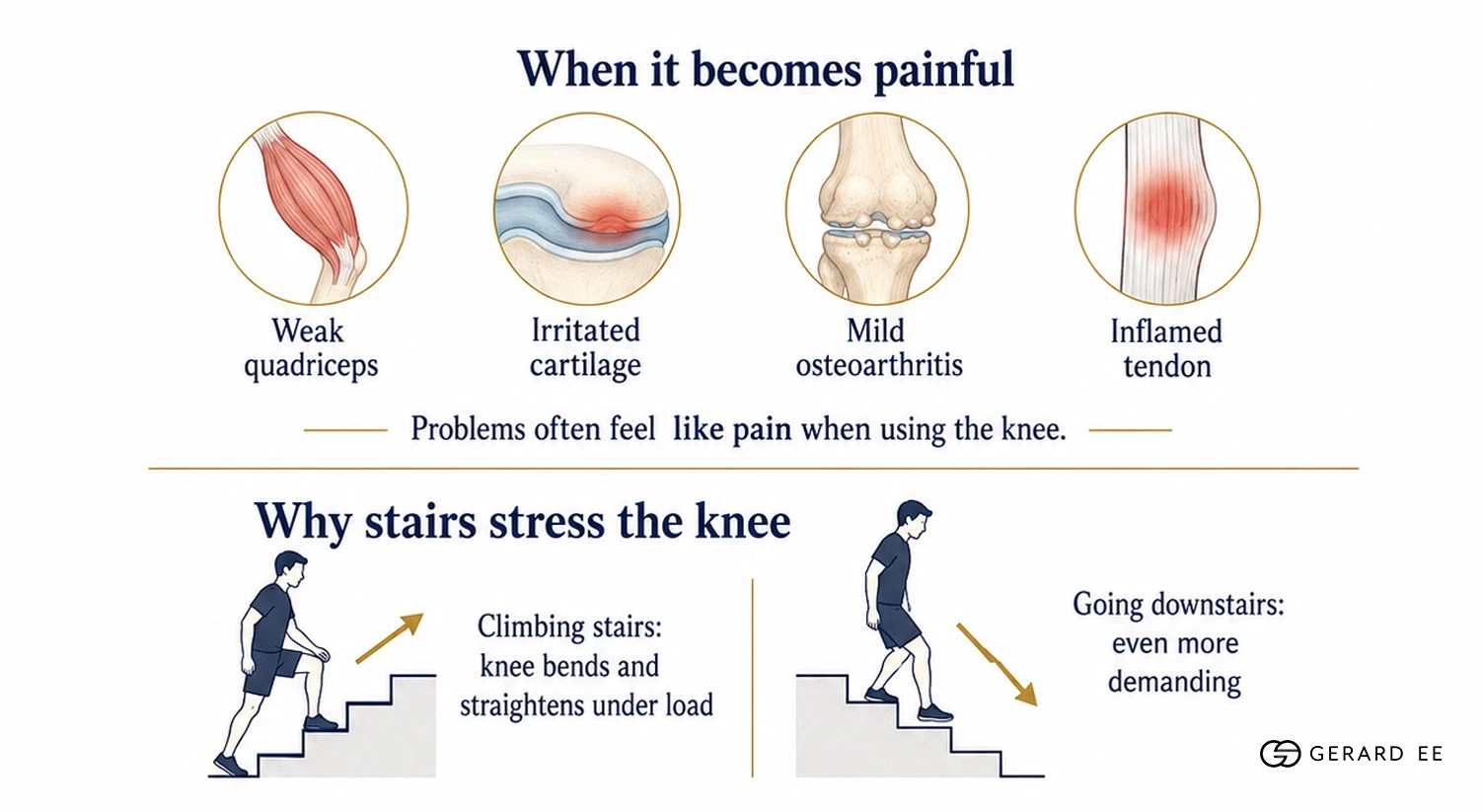
Using the stairs particularly stresses the knee, as when you climb stairs, the knee bends and straightens under load with each step. Going down the stairs is even more demanding than going up, as the quadriceps must lower the body slowly under gravity with the kneecap pressed firmly against the underlying bone.
As knee pain indicates something wrong with the PFJ, it is worth paying attention to rather than dismissing.
Most Common Causes of Knee Pain
The same handful of conditions account for most stair-related knee pain.
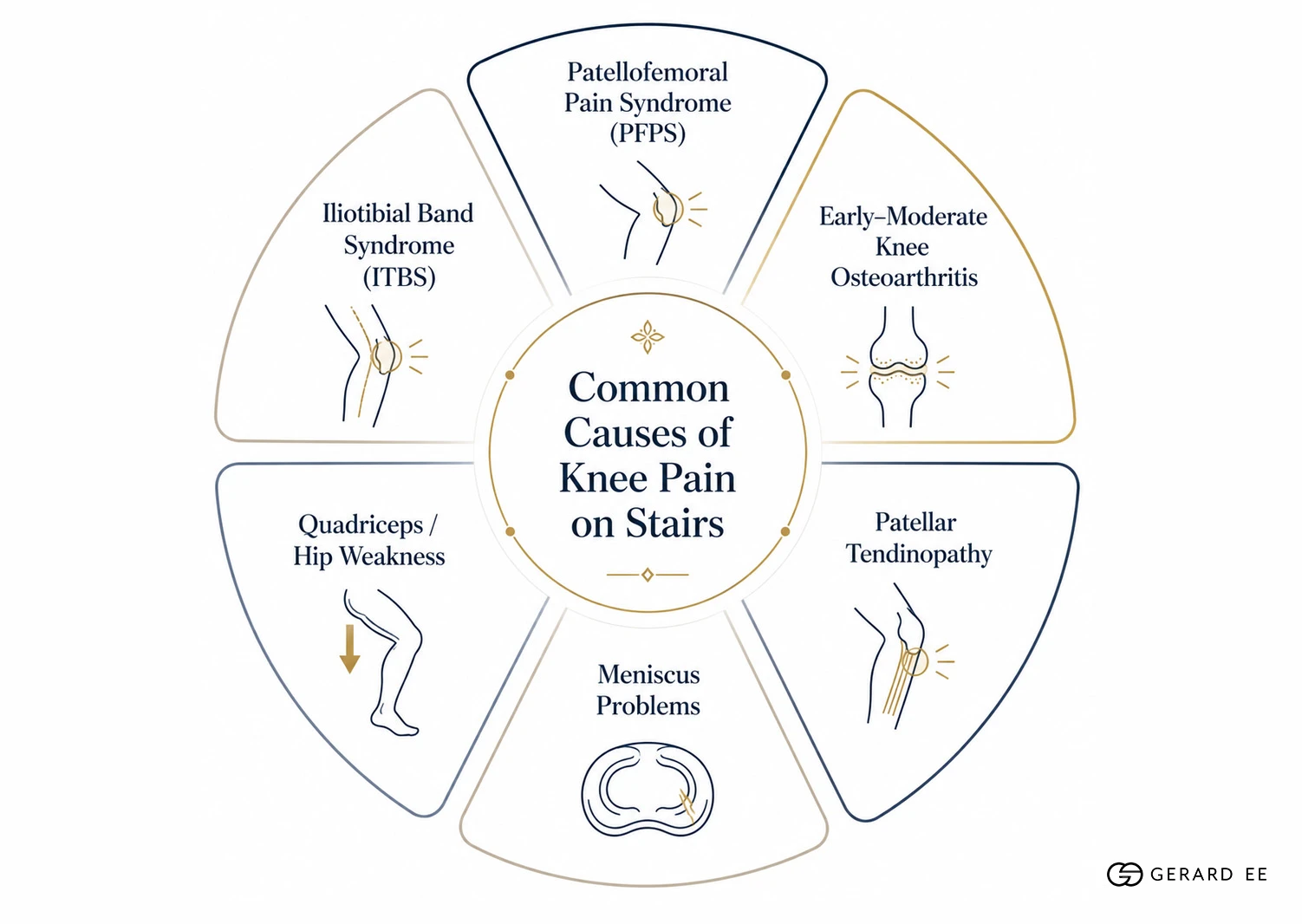
Patellofemoral pain syndrome (PFPS). Pain felt around or behind the kneecap. Often described as a dull ache. The pain is typically worse when going down stairs, squatting, or after prolonged sitting with the knee bent. PFPS is closely linked to quadriceps and hip muscle weakness, training spikes and poor lower-limb mechanics.
Early to moderate knee osteoarthritis (knee OA). Cartilage wear often first presents as pain when using the stairs. Stiffness after rest, occasional swelling and a creaky feeling in the joint often accompany the pain. The risk of knee OA rises with age, body weight, previous knee injury and high cumulative load.
Patellar tendinopathy (jumper’s knee). An overuse injury that causes pain just below the kneecap. Usually felt when going up stairs, squatting or jumping. This kind of pain is common in runners, court-sport players and recreational athletes.
Meniscus problems. A degenerative meniscus tear can cause pain that is sometimes accompanied by a feeling of popping, clicking, something moving inside the knee, or the knee catching.
Quadriceps or hip weakness without a specific lesion. Sometimes the joint itself is fine and the problem is that the muscles that control the knee are not pulling their weight. Stairs are demanding precisely because they need good quadriceps and hip strength.
Iliotibial band syndrome (ITBS). IT band irritation causes pain on the outside of the knee. This pain is most commonly felt when running and walking downhill, or when on the stairs.
What the Pattern of Pain Suggests
Which part of your knee hurts and when it starts hurting are actually really useful diagnostic clues that can help me gauge what is the underlying cause of the pain.
If you feel pain around the kneecap when going down stairs, that usually points to patellofemoral pain or early patellofemoral osteoarthritis. If the pain is just below the kneecap when you are going up stairs, then you may be suffering from patellar tendinopathy. Mechanical pain with knee catching when going both up and down the stairs is suggestive of a meniscus problem.
A proper assessment with a focused knee examination and an optional X-ray is still needed to confirm the diagnosis, but below are some useful signs you can look out for.
- Pain when going down stairs, particularly around or behind the kneecap. This often points toward patellofemoral pain or early osteoarthritis of the patellofemoral compartment.
- Pain when going up stairs, particularly just below the kneecap. This may suggest patellar tendinopathy.
- Mechanical pain with a popping or locking feeling when going up or down the stairs. This suggests a meniscus problem.
- Deep, generalised pain when going up or down the stairs with stiffness after sitting. This may indicate established knee osteoarthritis.
Non-medical Solutions
If you find that your knee pain is mild and using the stairs is still manageable, or if the pain is a recent development, you may not need a knee injection yet. Below are a few lifestyle changes and conservative at-home treatments you can try out.
Activity adjustment. Reduce, but do not stop, the activity level and load of the aggravated knee. Use the handrail and lead with the stronger leg when going down stairs.
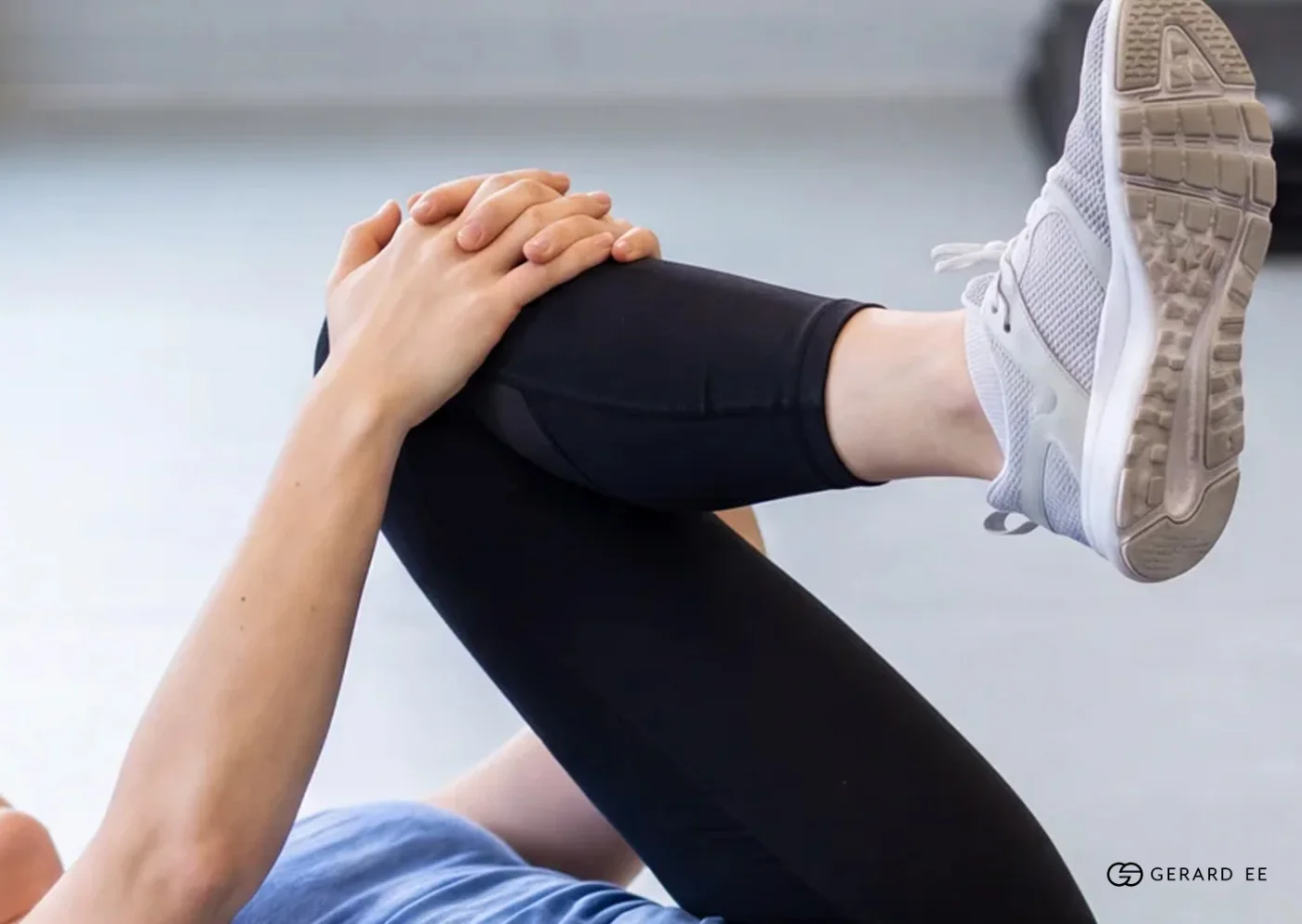
Quadriceps and hip strengthening. Wall sits, sit-to-stands, glute bridges and side-lying hip strengtheners are good evidence-backed exercises for improving stair-related knee pain.
Weight management. Weight loss can reduce the strain placed on the patellofemoral joint when using the stairs. Even modest weight loss can help.
Sensible footwear. Supportive, well-cushioned footwear can reduce discomfort when using the stairs. Good and supportive footwear is especially helpful for patellofemoral and osteoarthritic knees.
Gentle range-of-motion work if the knee gets stiff after sitting.
Do note that these measures may improve milder stair-related knee pain, but they will not fix a torn meniscus or advanced arthritis. I recommend monitoring your knee for a few weeks after implementing any of these lifestyle changes. If the pain persists, you should consider getting a professional knee examination.
My opinion
“A common misconception is that stopping all physical activity will help the knee heal. Avoiding movement or exercise entirely actually weakens the quadriceps that protect the joint, so the knee gets worse, not better. The right thing to do is to modify the activity, not completely stop it.
Many patients I see also have undertrained hips. Glute and hip strength controls how the knee tracks, a good training programme should thus work both the quadriceps and hip.”
When Getting a Knee Injection Is the Right Next Step
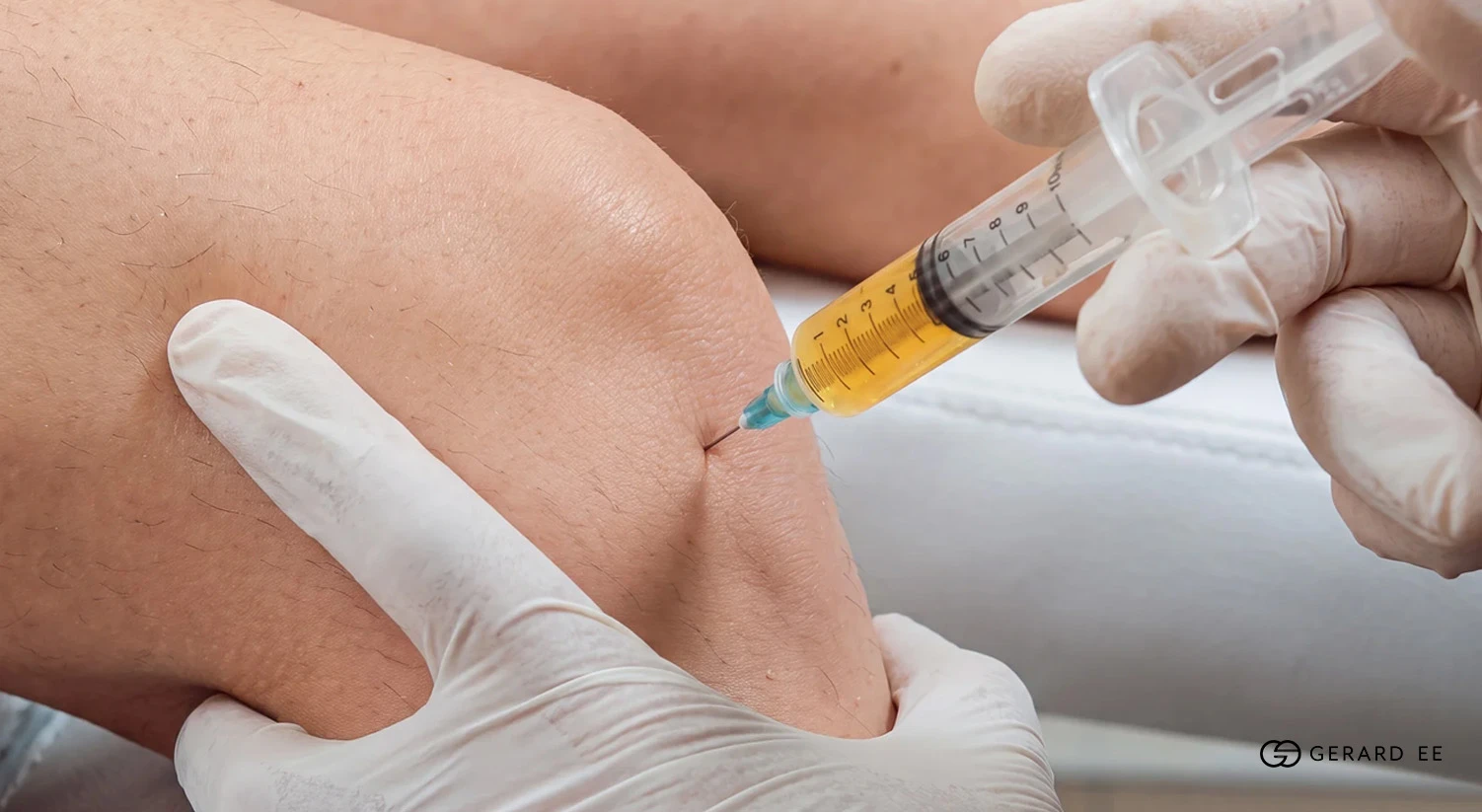
Generally, I recommend getting a knee injection when the joint itself is driving the problem and conservative care is unable to alleviate pain. Below are a few treatment options that are available in Singapore.
If the knee is swollen, hot or experiment an active flare, and the patient needs fast pain relief, a cortisone injection, also known as a steroid injection, should be considered. Cortisone is a corticosteroid medication that suppresses inflammation. It rapidly calms the joint and creates a window in which the patient can pursue rehabilitation or physiotherapy.
If the pain caused by knee osteoarthritis (knee OA) is mild to moderate, without an active flare, and the patient wants longer-lasting symptom improvement, Platelet-Rich Plasma (PRP) therapy for the knee may be a suitable treatment. Leukocyte-poor PRP, such as is preferred for knee OA.
If the patient prefers viscosupplementation rather than a corticosteroid or PRP based treatment, hyaluronic acid (HA) injections or Conjuran can be considered. Synolis VA is one example of a HA based viscosupplement, it is composed of a 2% non-crosslinked HA with 4% sorbitol antioxidant. Conjuran is used as a polynucleotide viscosupplement alternative to HA. Both treatments are used to lubricate the cartilage, improve shock absorption, and relieve pain.
Combining treatments is sometimes the right call. For example, a steroid injection is however done alone usually to treat a flare up with synovitis and effusion. However if the patient wants fast relief and longer symptom control, PRP therapy plus HA via CellularMatrix is good for non-flared mild to moderate knee OA if the patient is aiming for the long-lasting symptom relief without surgery.
My opinion
“In my experience, the approach is steroid injections for a flared knee, a knee injection with the type customised to the knee pathology and severity for selected mild to moderate osteoarthritis where longer duration symptom improvement is the goal, and HA or Conjuran when a viscosupplement strategy is appropriate. That being said, knee injections should not be the default treatment for every patient.
For example, I would not treat patellofemoral pain in a 30 year old runner with a knee injection. For this patient, strength and load-management is a more appropriate approach. I will always perform a thorough knee examination first to ensure that the patient is matched with a suitable treatment plan.”
Knee Joint Problems Are Not Always the Cause of the Pain
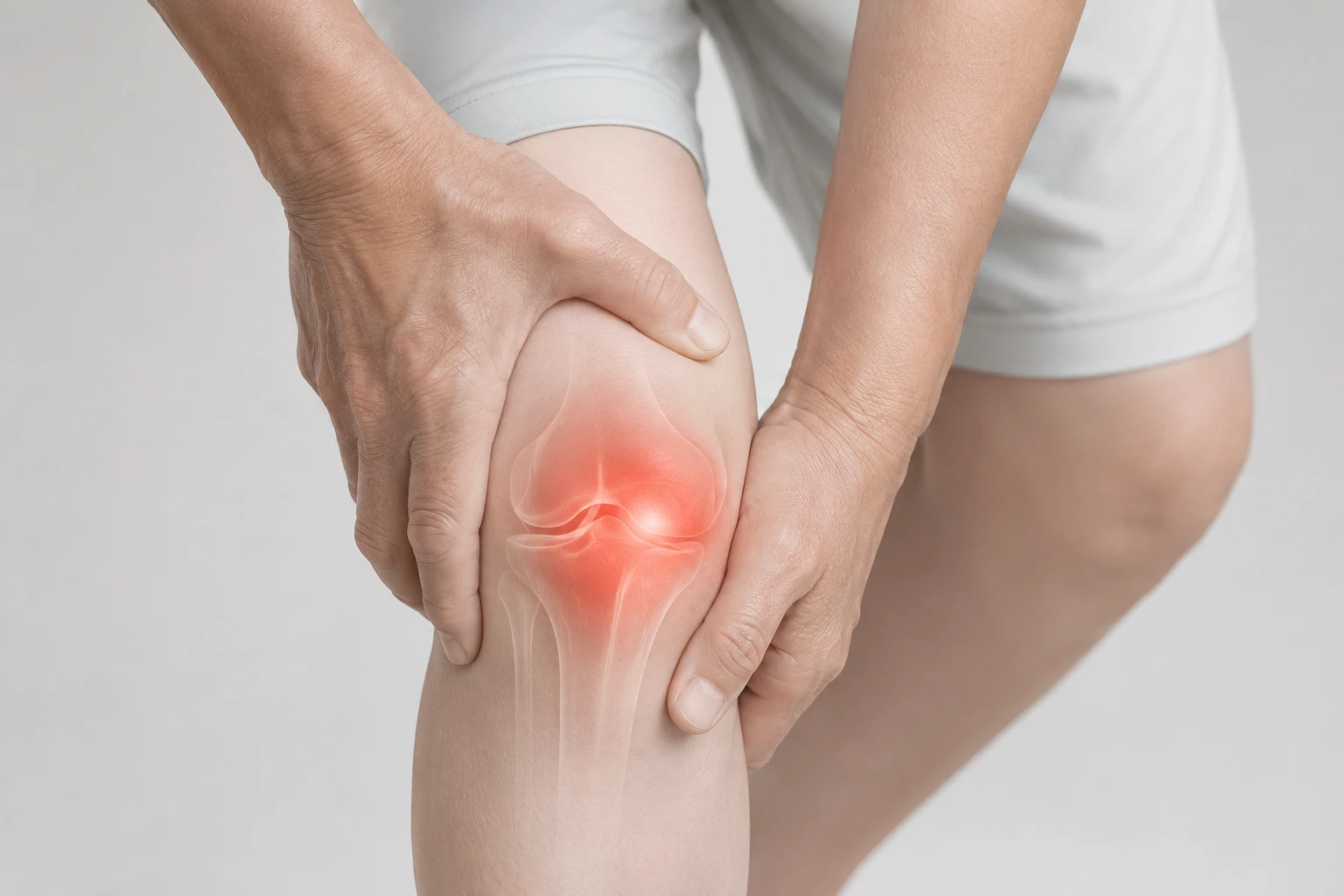
Knee injections are effective only when the crux of the patient’s pain is the knee joint itself. Patellofemoral pain in a younger runner is an example of a situation where I would not jump to using an injection to treat the patient as the pain is usually caused by muscle imbalances, poor form, or excessive mechanical loading.
Another example is tendinopathy in a court-sport player. I would not use an injection as the first line of treatment as the underlying cause of the pain is a load-management problem. My treatment approach for these kinds of cases would be to first perform an assessment, then address the contributing factors of the knee pain. If the patient does not settle with that approach, then I will administer an injection.
When to See a Doctor
It is worth getting the knee assessed if the pain shows any of the following features.
- Has lasted more than a few weeks despite sensible self-management
- Significantly limits your walking distance, activity level, or ability to use the stairs
- Comes with the feeling of the knee catching, locking, or giving way
- Accompanied by significant or recurrent swelling
- Came on suddenly after a twist or leg injury
- Severe enough to wake you at night, or is constant even when you are not moving
If you suspect something is wrong, you should see a doctor as soon as possible. The earlier you identify the reason for the pain, the more treatment options are available for you to choose from.
When Injection Is Not the Right Move
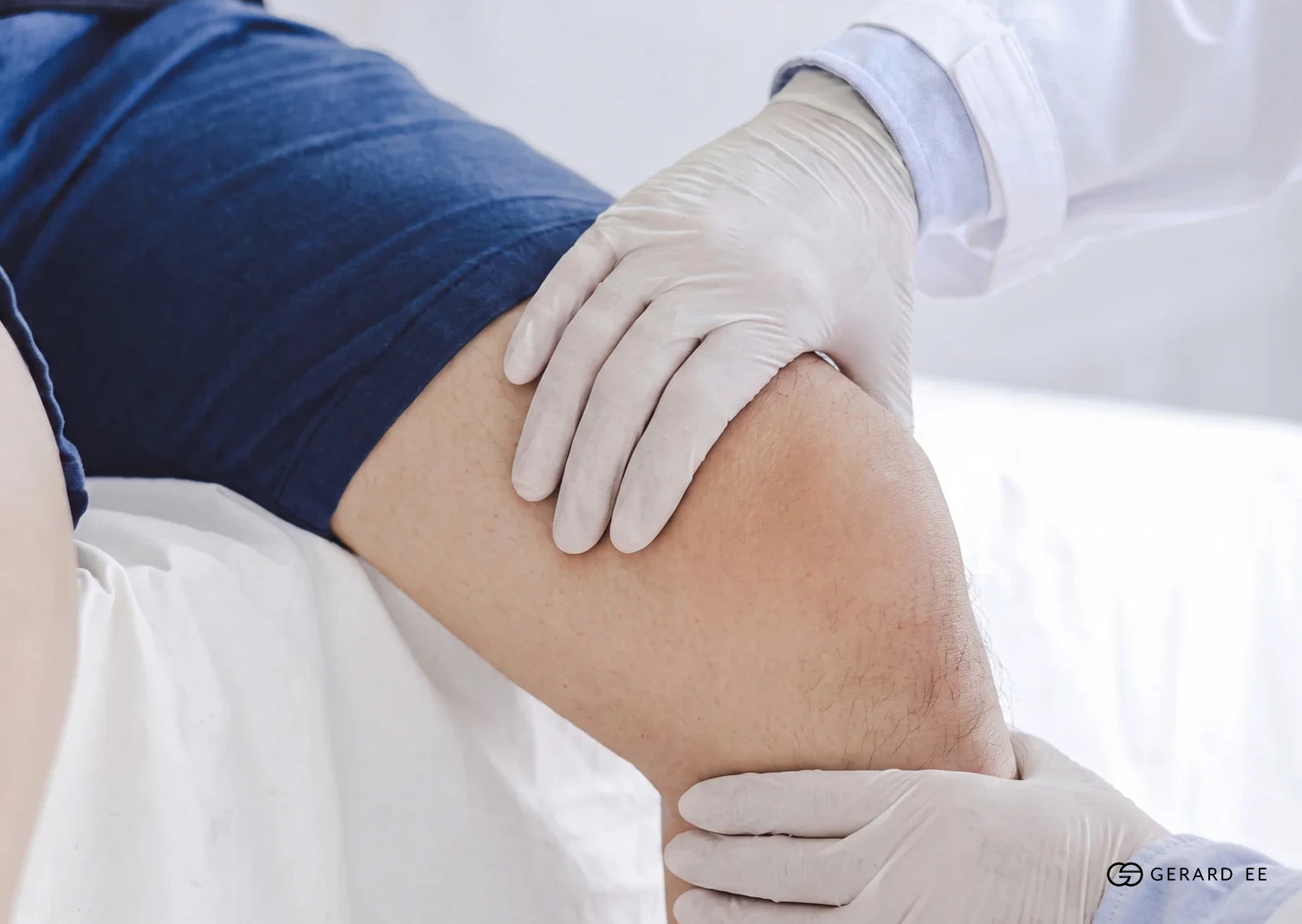
There are situations where a knee injection is not the right solution, even if the patient wants one.
- The diagnosis is not confidently established. Reassessment and re-imaging should be done first.
- The imaging shows end-stage knee OA with major knee function loss. Such severe cases require knee surgery to treat.
- Presence of active local or systemic infection, recent skin infection over the knee, certain blood disorders or uncontrolled anticoagulation.
- The dominant problem is mechanical. A meniscus tear or true ligament instability typically needs orthopaedic surgery.
My opinion
“I often see patients make the mistake of getting stuck in a steroid-injection-only loop when trying to treat stair related knee pain. Cortisone shots provide fast relief when dealing with pain flares, but their effect is short lived. Getting repeated shots without a broader plan is not a maintenance strategy. If the knee needs a steroid injection every few months to stay functional, it means the underlying problem is not being addressed and the treatment plan needs to be re-evaluated, not repeated.”
Summary
Knee pain when using the stairs can be an indicator of problems with the knee joint. Most cases can be diagnosed clinically with a thorough knee examination and an optional X-ray. Most cases of knee pain can also be treated non-surgically if caught early.
For cases where the pain is mild and using the stairs is still manageable, weight management, muscle strengthening and load modification can be enough to stop the pain. For more serious cases where a knee injection is warranted, the type of injection used depends on the nature of the pain and whether or not the patient is aiming for longer term relief.
In general, I recommend a steroid injection first if the patient is suffering from a flare up. For mild to moderate osteoarthritis, I recommend a knee injection with the type customised to the knee pathology and severity. A viscosupplement strategy with HA or Conjuran can also be considered if necessary. As every patient’s situation and knee condition is different, a proper consultation is always needed to match the right treatment to the patient’s underlying issue.
Related Reading
Speak to Dr Gerard Ee About Your Knee Pain

If you have been experiencing knee pain while using the stairs for than a few weeks or if the pain is starting to become debilitating, a proper assessment to identify the cause of the pain and match a treatment to it is highly recommended.
Knee joint injections at The Clifford Clinic and Surgery are performed in an MOH-approved day surgery centre, which makes them claimable through Medisave and hospitalisation insurance. The clinic’s team will advise on eligibility and what a specific insurance plan covers the treatment during consultation.
The Clifford Clinic and Surgery 50 Raffles Place, #01-01 Singapore Land Tower, Singapore 048623 (Exit B, Raffles Place MRT) Phone: (65) 6532 2048 | WhatsApp: (65) 8318 6332
About Dr Gerard Ee
Dr Gerard Ee, MBBS (UK), MRCS (Edinburgh), PGDip Practical Dermatology (Cardiff) is a Member of the Royal College of Surgeons and a senior physician in Singapore. He is trained as an orthopaedic doctor and has years of experience in both operative and non-operative care of knee osteoarthritis. His peer-reviewed orthopaedic research has been published in top-tier journals including The Knee, Knee Surgery, Sports Traumatology, Arthroscopy (KSSTA), the Journal of Bone and Joint Surgery (British) and Clinical Orthopaedics and Related Research. He now works as a director of The Clifford Clinic and The Clifford Surgery, treating primarily dermatology conditions but also provides longevity and orthopaedic treatments for non-surgical knee care for mild to moderate knee osteoarthritis with a clinical philosophy of using non-invasive treatments first and surgery as a last resort. He believes that treatment should be matched to evidence and to the individual patient.

Dr Gerard Ee, Aesthetic Doctor in Singapore
Dr Gerard Ee is an aesthetic doctor in Singapore and the Medical Director of his practice at 50 Raffles Place. He graduated from St George’s, University of London, trained in surgery at Singapore General Hospital and the National University Hospital, and holds the MRCS (Edinburgh) and a postgraduate diploma in practical dermatology from Cardiff University.
He has practised aesthetic medicine since 2012, is the author of sixteen peer-reviewed papers, and writes and medically reviews every article on this site. Read more about Dr Gerard Ee.

Book a consultation with Dr Gerard Ee at The Clifford Clinic
Dr Gerard Ee consults at The Clifford Clinic, 50 Raffles Place, Singapore. Consultations are by appointment. Message the clinic on WhatsApp, or call 6532 2048.
Frequently Asked Questions
Why does the knee hurt going down stairs but not when going up? Going down stairs loads the patellofemoral joint more than when going up. Pain in this pattern often suggests patellofemoral pain syndrome or early patellofemoral osteoarthritis.
Is stair pain a sign of arthritis? It can be. Knee osteoarthritis often shows itself first as activity related pain when using stairs. However, kneecap issues, tendon problems, meniscus tears and muscle weakness can also cause pain when using the stairs. It is thus important to get a professional diagnosis.
Should patients stop using the stairs if the knee hurts? No, patients are advised to modify rather than stop their activity. Patients can reduce frequency of activity, use the handrail, lead with the stronger leg when going down the stair, and work on strengthening their muscles. Complete avoidance of physical activity tends to weaken the knee further and make the pain worse.
Can a knee injection help with stair pain? If the underlying problem is osteoarthritis or significant joint inflammation, a knee injection can reduce pain enough to rebuild strength and make using the stairs more tolerable or comfortable. The type of injection used depends on the diagnosis.
When should patients see a knee doctor? It is worth getting assessed if the pain has lasted more than a few weeks, is limiting activity, comes with swelling or locking, or is the result of an injury.
This page is written from published research and from clinical experience in Singapore since 2012. It is for general education, not medical advice. Whether a treatment suits you, what it may achieve and what it may risk can only be established at a consultation. Dr Gerard Ee is the Medical Director of The Clifford Clinic, a private clinic in Singapore, and treatments discussed on this site are provided commercially.