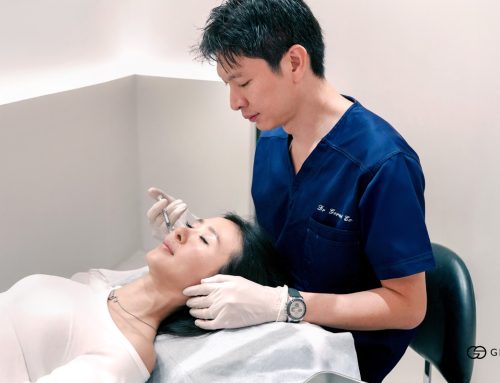
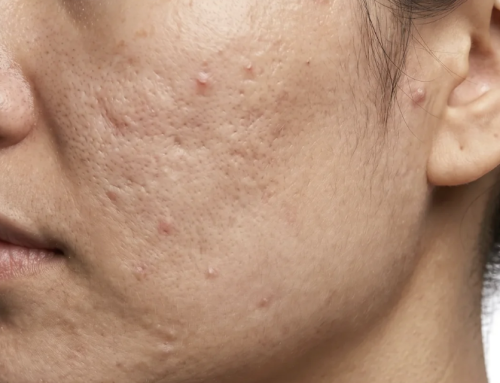
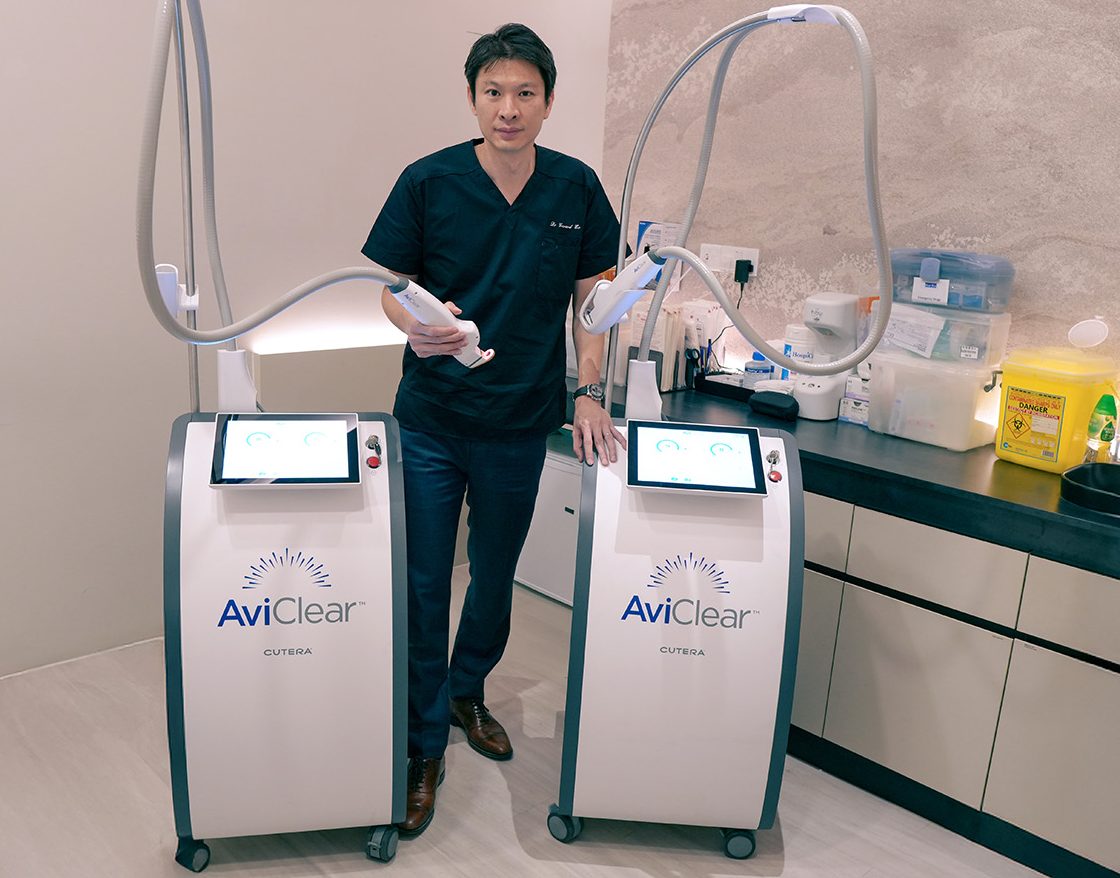
AviClear has generated enormous interest because it is the first FDA cleared 1726 nm laser designed specifically for acne. Unlike conventional acne treatments that rely on daily creams, antibiotics, or oral medications, AviClear is built around a very focused idea: target the sebaceous gland by using a wavelength that is selectively absorbed by sebum, create controlled thermal injury in the gland, and reduce oil production without causing widespread damage to the surrounding skin. The FDA clearance describes the system as a 1726 nm diode laser for mild to severe inflammatory acne vulgaris, with a contact cooling window that protects the epidermis while energy is delivered to the target at depth.
That mechanism is elegant, and the clinical data are genuinely promising. In the well known prospective multicenter study, patients underwent three treatments spaced two to five weeks apart, and improvement continued to build over time. The proportion of patients who achieved at least a 50 percent reduction in inflammatory lesions rose from 79.8 percent at 12 weeks to 91.5 percent at 52 weeks, while the proportion rated clear or almost clear increased from 36.0 percent to 66.2 percent over the same period. In other words, AviClear is not a treatment that peaks immediately. It is a treatment that often improves slowly and progressively after the treatment course is completed.
But that still leaves the most important real world question: if the technology is so promising, why did it not work for you?
The answer, in many cases, is not that AviClear is ineffective. The answer is that AviClear is often used for the wrong acne pattern, with the wrong expectations, or without the additional treatments that are needed to make it work properly.
The Biggest Reason AviClear Did Not Work for You
The biggest mistake is treating AviClear as though it should replace the rest of acne medicine.

AviClear can be effective as a procedure, but many patients do not do best when it is used as a stand-alone treatment. A recent expert consensus on the contact cooled 1726 nm laser states that although the device can be effective as monotherapy, most patients benefit from combination regimens that include topical and or oral therapies. The same consensus specifically recommends topical retinoids for all patients, either alone or in combination with benzoyl peroxide or antibiotics, ideally beginning before laser treatment and continuing afterward to optimize and maintain results. The 2024 American Academy of Dermatology acne guideline also strongly recommends topical benzoyl peroxide, topical retinoids such as tretinoin, and combination topical therapy as foundational treatment.
That is the point many patients miss. AviClear is not always a substitute for prescription acne creams. In fact, one of the common reasons it underperforms is that the patient stops thinking about acne as a disease that needs full pathway control. Acne is not caused by sebum alone. It also involves follicular plugging, inflammation, bacterial overgrowth, and in some patients a strong hormonal component. If you only reduce sebaceous activity but do not treat the follicular and inflammatory side of acne, you may get partial improvement, but not the level of clearance you expected.
Dr Gerard Ee Clinical Preference on Stand Alone AviClear
Dr Gerard Ee clinical preference: AviClear should not be used as a stand alone treatment in nodular cystic acne or pustular acne. In these patients, topical prescription treatment remains essential, and the baseline routine should usually include benzoyl peroxide and tretinoin unless there is a specific reason not to use them.
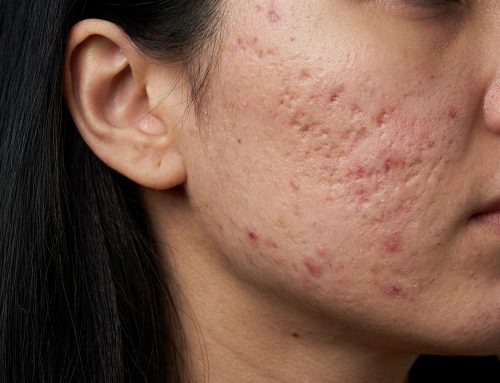
This is a very practical clinical point. Nodular cystic acne and pustular acne are not simply oily skin problems. They are deeper, more inflammatory, more destructive forms of acne. They are the acne types most likely to scar, recur, and frustrate patients who have already tried many things. In that setting, relying on a sebaceous gland selective laser alone is often not enough. The 2024 American Academy of Dermatology guideline strongly recommends isotretinoin for severe acne and for patients who have failed standard oral or topical treatment. Hence if a patient with nodular cystic or pustular acne undergoes AviClear alone and then says the treatment failed, the more accurate explanation may be that the acne was undertreated from the beginning.
Why Benzoyl Peroxide and Tretinoin Still Matter
Patients are sometimes drawn to energy based devices because they want a treatment that feels cleaner, simpler, and more elegant than multiple creams. I understand that. But there is a reason topical therapy remains the backbone of acne care.
Benzoyl peroxide helps reduce acne causing bacteria and can lower inflammatory load on the skin. Tretinoin and other topical retinoids help normalize follicular turnover, reduce microcomedone formation, and improve inflammation. The AAD guideline specifically recommends combining different topical treatment types because results are better when more than one acne pathway is treated at the same time. That is why AviClear often needs support from prescription creams. The laser addresses oil production. The creams address pore blockage and inflammatory activity. Remove one arm of that strategy, and the whole result becomes weaker.
Hence if you had AviClear and were not using benzoyl peroxide, tretinoin, or another rational prescription topical plan, that may be one of the main reasons your result disappointed you.
Why Deep Acne Often Needs More Than One Device
Another mistake is assuming that any device which targets the sebaceous gland should behave the same way in every kind of acne. It does not.
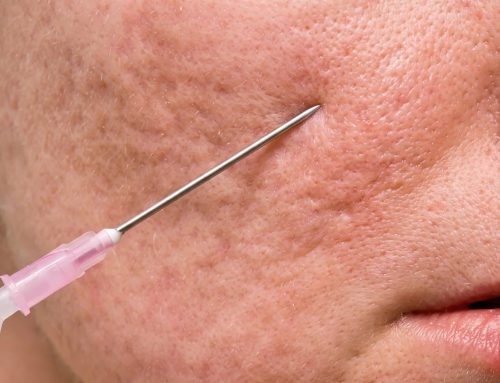
AviClear treats acne through selective photothermolysis of sebaceous glands. That is useful, especially in inflammatory acne with a significant sebum component. But deep recurrent acne often behaves in a more localized and stubborn manner. Some lesions recur in the same exact hot spots because the gland, pore, and inflammatory environment in that unit remain highly active. That is where targeted intralesional or single needle strategies can become more useful than broad surface treatment alone.
A randomized controlled study of single microneedle radiofrequency for moderate to severe facial acne showed statistically significant improvement of inflammatory acne at 12 weeks compared with control treatment. Importantly, the authors note that this method targets active and recurrent acne spots exclusively rather than every pilosebaceous unit on the face. That concept matters because recurrent chin lesions, jawline breakouts, and repeat offender inflammatory spots often need focused destruction of the problem unit, not just generalized reduction in facial oil activity.
Chin Acne Often Needs AGNES RF
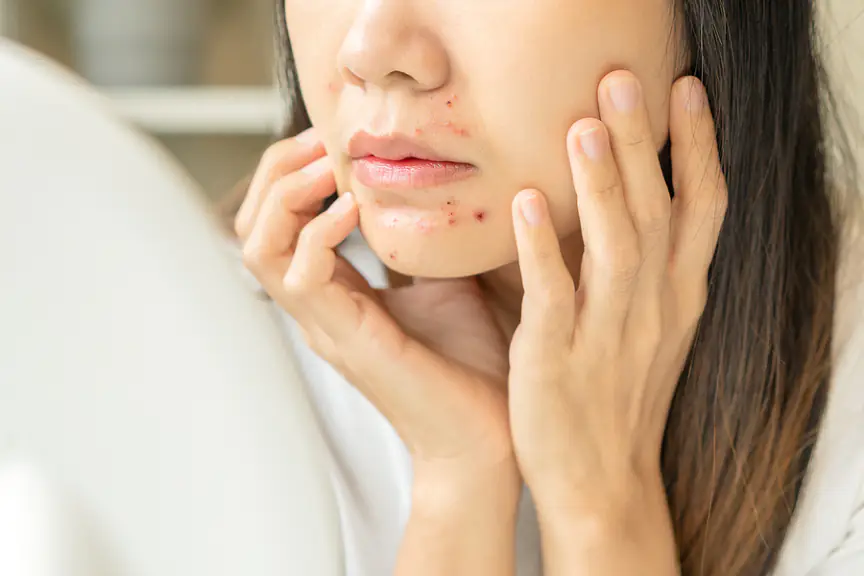
Dr Gerard Ee clinical preference: If acne is located mainly over the chin, AGNES RF is often required. AviClear can help in the background, but it should not be the only treatment if the disease is concentrated in the chin region, especially when lesions are deep, recurrent, and inflammatory.
This is one of the most clinically useful distinctions. Chin acne behaves differently from diffuse cheek acne in many patients. It is often recurrent, hormonal, deep, and slow to clear. Even when there is a global oiliness component, the chin may contain a cluster of glands and follicles that keep reactivating. In those patients, Dr Gerard Ee prefers AGNES RF because it is a more targeted way of treating the exact problem unit. The published single microneedle radiofrequency literature supports the broader concept that focused sebaceous gland electrothermolysis can improve inflammatory acne and can be especially useful for active recurrent lesions.
If your acne is almost exclusively on the chin, AviClear may still have a role, but Dr Gerard Ee does not recommend using it in isolation. His clinical preference is to combine AviClear with AGNES RF to improve clearance and reduce recurrence, rather than depending on a face wide laser approach alone.
Nose Acne Is a Poor Fit for AviClear in Clinical Practice
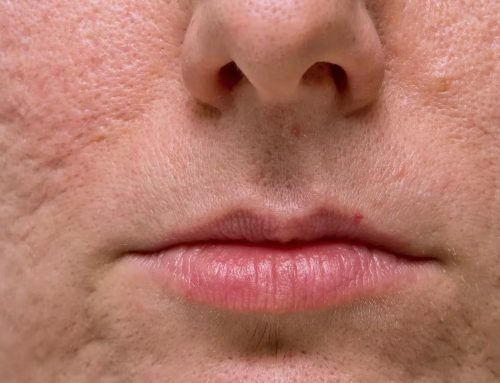
Dr Gerard Ee clinical preference: AviClear is not the treatment I rely on for nose acne. The cooling plate does not sit properly enough over the contour of the nose to make it a dependable treatment area, so I do not treat nose dominant acne with AviClear as though it should be a primary solution.
This point is not about the biology of sebum. It is about practical delivery. AviClear depends on effective contact and cooling during treatment. In Dr Gerard Ee’s clinical view, the contour of the nose makes that less reliable, which is why nose acne may respond poorly if AviClear is used as the main strategy. When patients say AviClear did not work on their nose, that does not surprise him. It is often a poor anatomical match for the device.
Why Gold PTT Also Often Disappoints in the Same Patients
Patients who are disappointed with AviClear sometimes move quickly to another sebaceous gland targeted treatment such as Gold PTT. The assumption is that if one gland targeting treatment failed, another one will automatically succeed. That is not always true.

There is published literature showing that gold microparticles or nanoparticles can localize within sebaceous follicles and can be used for selective photothermolysis of sebaceous structures. There are also reports describing gold nanoparticle mediated photothermal therapy as a safe and potentially effective acne treatment. So Gold PTT is not biologically absurd. The concept is real.
However, that does not mean Gold PTT is a dependable answer for nodular cystic acne or pustular acne. Deep inflammatory acne is difficult to treat because it is not only about getting energy near a gland. It is also about lesion depth, repeated inflammation, follicular architecture, and the extent of the disease. In Dr Gerard Ee’s clinical preference, Gold PTT should not be relied upon as the main treatment for nodular cystic or pustular acne, especially when the patient already needs a stronger, multi pathway approach.
Dr Gerard Ee clinical preference: Gold PTT also must not be treated casually. If Gold PTT is used, I prefer it with Bellasonic because I want a dedicated delivery step to improve penetration of gold particles into the follicular and sebaceous unit. I do not consider passive application alone or any random LDM out there to be reliable enough for deep inflammatory acne.
That statement is best understood as a clinical protocol preference. It reflects how Dr Gerard Ee chooses to perform the treatment. The published literature supports the idea that gold particle delivery into sebaceous follicles is important to for the treatment to be effective. Bellasonic is essential when Gold PTT is chosen in practice.
AviClear Can Work for the Right Patient
All of this does not mean AviClear is a poor treatment. It means patient selection matters.
AviClear makes the most sense in patients with inflammatory acne who want to reduce sebaceous activity without taking systemic medication, in patients who cannot tolerate or do not want oral agents, and in patients who understand that the result is usually progressive rather than immediate. The FDA indication covers mild to severe inflammatory acne, and the treatment has shown durable outcomes through one year in published multicenter data.
But the best patient for AviClear is not always the same as the most difficult acne patient. If your acne is severe, scarring, nodular, cystic, pustular, heavily concentrated on the chin, or problematic on the nose, then AviClear may not be the correct solo answer. In those settings, the treatment should be part of a broader strategy, not mistaken for a full replacement of established acne therapy.
Another Reason Patients Think AviClear Failed
Timing matters. Many patients expect the treatment to look impressive after one session, or even within a few weeks. That is not how AviClear usually behaves. The one year data show a pattern of continued improvement after the final session. So a patient can feel underwhelmed early, declare the treatment a failure, and stop supporting the result with topical care, when in fact the treatment needed more time and better adjunctive therapy.
This is why proper counseling is so important. If you undergo AviClear with the expectation of rapid isotretinoin like clearance, you may end up disappointed even if the treatment is biologically active. If instead you understand that it is one part of a combination plan, with progressive improvement and maintenance through topical treatment, the result is often much stronger.
What To Do If AviClear Did Not Work for You
The first step is not to repeat the same thing again and hope for a different result. The first step is to diagnose why it failed.
- Was your acne actually nodular cystic or pustular acne from the start
- Were you given AviClear without benzoyl peroxide and tretinoin
- Was the acne concentrated over the chin, where AGNES RF would have been a better partner treatment
- Was the acne mainly on the nose, where AviClear is a poor practical fit in Dr Gerard Ee’s clinical view
- Did you stop treatment support too early because results were slower than expected
- Or were you a patient who needed isotretinoin level intensity from the beginning
When those questions are answered honestly, the next step becomes clearer. Some patients need better topical therapy. Some need AGNES RF. Some need a different device for the specific region involved. Some need isotretinoin. And some need combination treatment rather than a search for the perfect stand alone technology. The AAD guideline supports combination topical therapy as core care and reserves isotretinoin for severe acne or acne that has failed standard therapy.
The Bottom Line
AviClear is a real advance in acne treatment. Its FDA cleared 1726 nm wavelength targets sebum within sebaceous glands, and the published clinical data show meaningful and durable improvement in many patients. But when AviClear does not work, the reason is often not that the technology is fake. The reason is that the treatment was asked to do a job it was never meant to do alone.
If you have nodular cystic acne or pustular acne, AviClear should not be treated as a stand alone cure. If you are not on a rational topical prescription plan that includes agents such as benzoyl peroxide and tretinoin, that is a major treatment gap. If your acne is concentrated over the chin, AGNES RF may be essential in Dr Gerard Ee’s clinical practice. If your acne is mainly on the nose, AviClear is not the tool he relies on because of the difficulty of proper handpiece contact and cooling on that anatomy. And if Gold PTT is being considered instead, Dr Gerard Ee’s view is that it also should not be relied on as the main answer for deep inflammatory acne, and that Bellasonic is essential when Gold PTT is used in clinic.
Hence if AviClear did not work for you, the most useful question is not whether AviClear is good or bad. The real question is whether AviClear was used in the right patient, on the right areas, with the right supporting therapy, and with the right expectations. When those details are corrected, results usually improve.
References
-
U.S. Food and Drug Administration. AviClear Laser System 510k Summary. 2022.
-
Scopelliti MG, Kothare A, Karavitis M. A Novel 1726 Nm Laser System for Safe and Effective Treatment of Acne Vulgaris. Lasers in Medical Science. 2022.
-
Alexiades M, Kothare A, Goldberg D, Dover JS. Novel 1726 Nm Laser Demonstrates Durable Therapeutic Outcomes and Tolerability for Moderate to Severe Acne Across Skin Types. Journal of the American Academy of Dermatology. 2023.
-
Goldberg D, Ronan S, Bhatia A, et al. Safe and Effective Acne Treatment Across Skin Types With a 1726 Nm Sebum Selective Laser: One Year Data From a Prospective Multicenter Study. Journal of the American Academy of Dermatology. 2025.
-
Reynolds RV, Yeung H, Cheng CE, et al. Guidelines of Care for the Management of Acne Vulgaris. Journal of the American Academy of Dermatology. 2024.
-
Tanghetti EA, Sierra R, Estes M, et al. Treatment of Acne With a 1726 nm Laser, Air Cooling, and Real Time Temperature Monitoring, Software Assisted Power Adjustment to Achieve a Temperature Endpoint With Selective Sebaceous Gland Photothermolysis. Lasers in Surgery and Medicine. 2025.
-
Metelitsa A, Batra RS, et al. Consensus Panel Recommendations for Optimizing Use of a Contact Cooled 1726 nm Laser for the Treatment of Acne. Journal of Cosmetic Dermatology. 2026.
-
Eichenfield DZ, Sprague J, Eichenfield LF. Management of Acne Vulgaris: A Review. JAMA. 2021.
-
Ahn GR, Kim JM, Park SJ, Li K, Kim BJ. Selective Sebaceous Gland Electrothermolysis Using a Single Microneedle Radiofrequency Device for Acne Patients: A Prospective Randomized Controlled Study. Lasers in Surgery and Medicine. 2020.
-
Jean Pierre P, Tordjman L, Ghodasara A, Nwosu C, Nouri K. Emerging Lasers and Light Based Therapies in the Management of Acne: A Review. Lasers in Medical Science. 2024.
-
Ishii L, Deoghare S, Boen M. Light and Laser Based Therapy in Treatment of Acne Vulgaris: A Clinical Review. Journal of the American Academy of Dermatology. 2025.
-
Seo J, et al. Gut Microbiota Modulation and Gold Nanoparticle Mediated Photothermal Therapy for Treatment of Recalcitrant Acne. Clinical Case Reports. 2022.
-
Paithankar DY, Sakamoto FH, et al. Acne Treatment Based on Selective Photothermolysis of Sebaceous Follicles With Topically Delivered Light Absorbing Gold Microparticles. Journal of Investigative Dermatology. 2015.
-
Pulumati A, Jaalouk D, Algarin YA, et al. Targeting Sebaceous Glands: A Review of Selective Photothermolysis for Acne Vulgaris Treatment. Archives of Dermatological Research. 2024.