Tweakments Singapore is now one of the most searched topics among adults who want subtle, natural-looking improvements without surgery. The word describes small aesthetic procedures that can refresh the skin, soften lines, improve pigmentation, support collagen and refine facial balance without making the face look overdone.
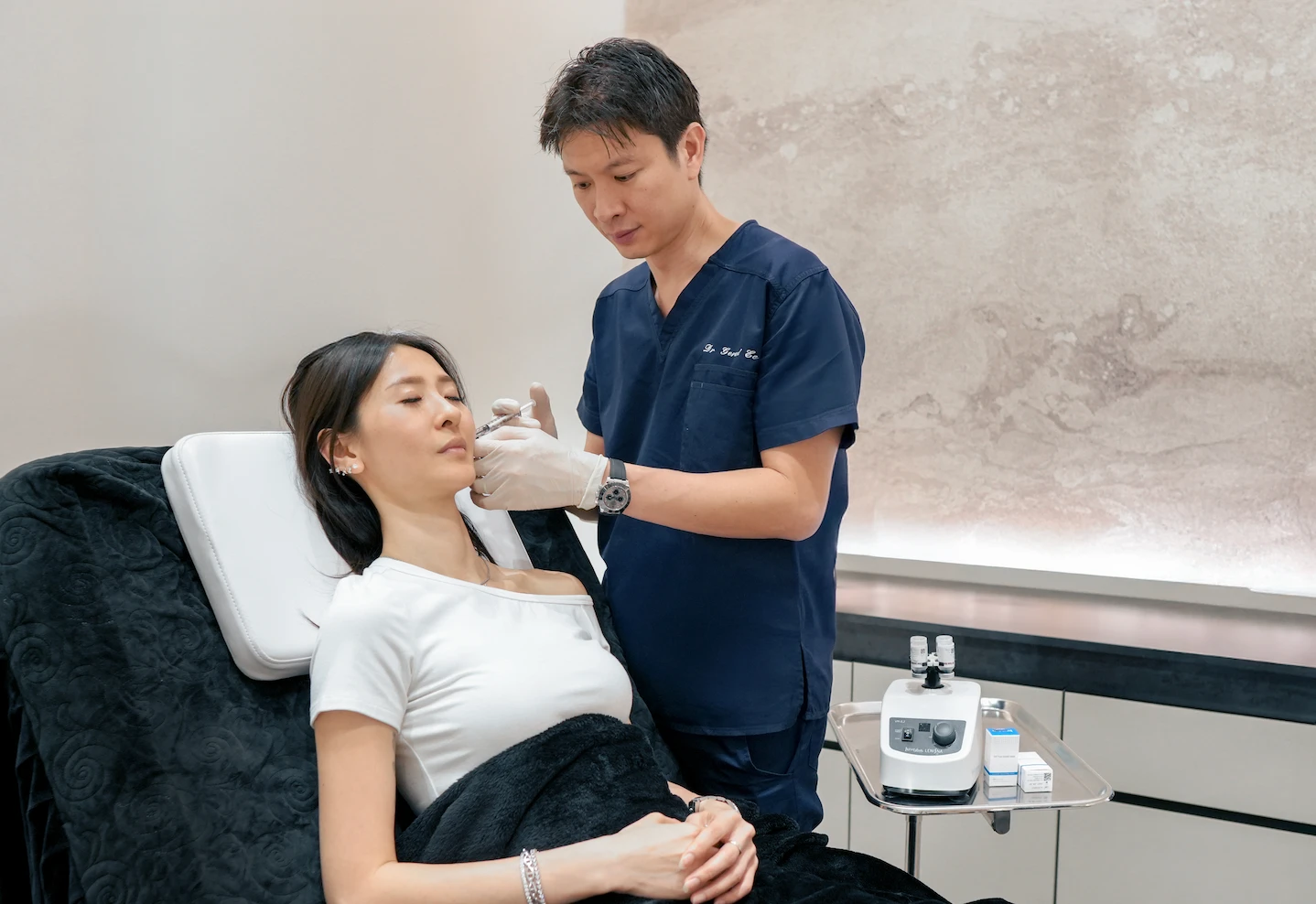
Dr Gerard Ee consults at The Clifford Clinic, 50 Raffles Place, Singapore.
The best tweakments are not about chasing a younger face. They are about keeping the skin healthy, stable and well supported as it changes with age. A thoughtful plan should respect facial identity, skin type, pigmentation risk, downtime, budget and long-term maintenance.
In Singapore, this matters even more. Strong ultraviolet exposure, humidity, acne-prone skin, pigmentation tendency and Asian skin biology all influence treatment choices. A plan that works well for one patient may not suit another patient with melasma, sensitive skin, active acne or a history of post-inflammatory pigmentation.
This guide looks at tweakments in your 20s, 30s, 40s and 50s from a doctor-led point of view. It also explains popular treatments such as Botox, skin boosters, Rejuran, ECM skin boosters, Pico laser, Fraxel, Thermage, HIFU, Emface, and PLLA.
Expert Perspective: Dr Gerard Ee And Doctor-Led Tweakment Planning
A good tweakment plan should begin with a medical assessment, not with a trending treatment name. This is especially important in Singapore, where pigmentation tendency, acne-prone skin, humidity, sun exposure and Asian skin biology can affect how the skin responds to lasers, injectables and energy-based devices.
Dr Gerard Ee, founder and medical director of The Clifford Clinic, brings a doctor-led and minimally invasive perspective to aesthetic planning. With a wealth of experience and obtaining a Membership of the Royal College of Surgeons, Edinburgh, as well as a Postgraduate Diploma in Dermatology from Cardiff, his background is relevant because modern tweakments often sit between dermatology, facial anatomy, collagen science and minimally invasive procedures. The Clifford Clinic’s own description emphasises natural-looking, minimally invasive and non-surgical aesthetic treatments, with its doctors tailoring treatment plans according to patient needs, goals and safety.
The Clifford Clinic, which was founded in 2014, supports its positioning as a clinic with more than a decade of experience in Singapore aesthetic medicine as of 2026.
What Are Tweakments?
Tweakments are minimally invasive aesthetic treatments that create gradual and refined changes. They may include botulinum toxin injections, dermal fillers, skin boosters, ECM skin boosters, Rejuran, Pico laser, Fraxel, radiofrequency microneedling, Thermage, HIFU, Emface and other skin rejuvenation treatments.
A good tweakment should not announce itself. The skin may look clearer, firmer or more rested, but facial expression should still feel natural. The best results usually come from accurate diagnosis and careful treatment sequencing rather than doing every treatment at once.
Tweakments are different from a facial. They work more deeply and should be selected after a medical assessment. Skin thickness, facial anatomy, pigment tendency, active inflammation and treatment history should all be reviewed before deciding what is suitable.
Why Age Matters In Tweakment Planning
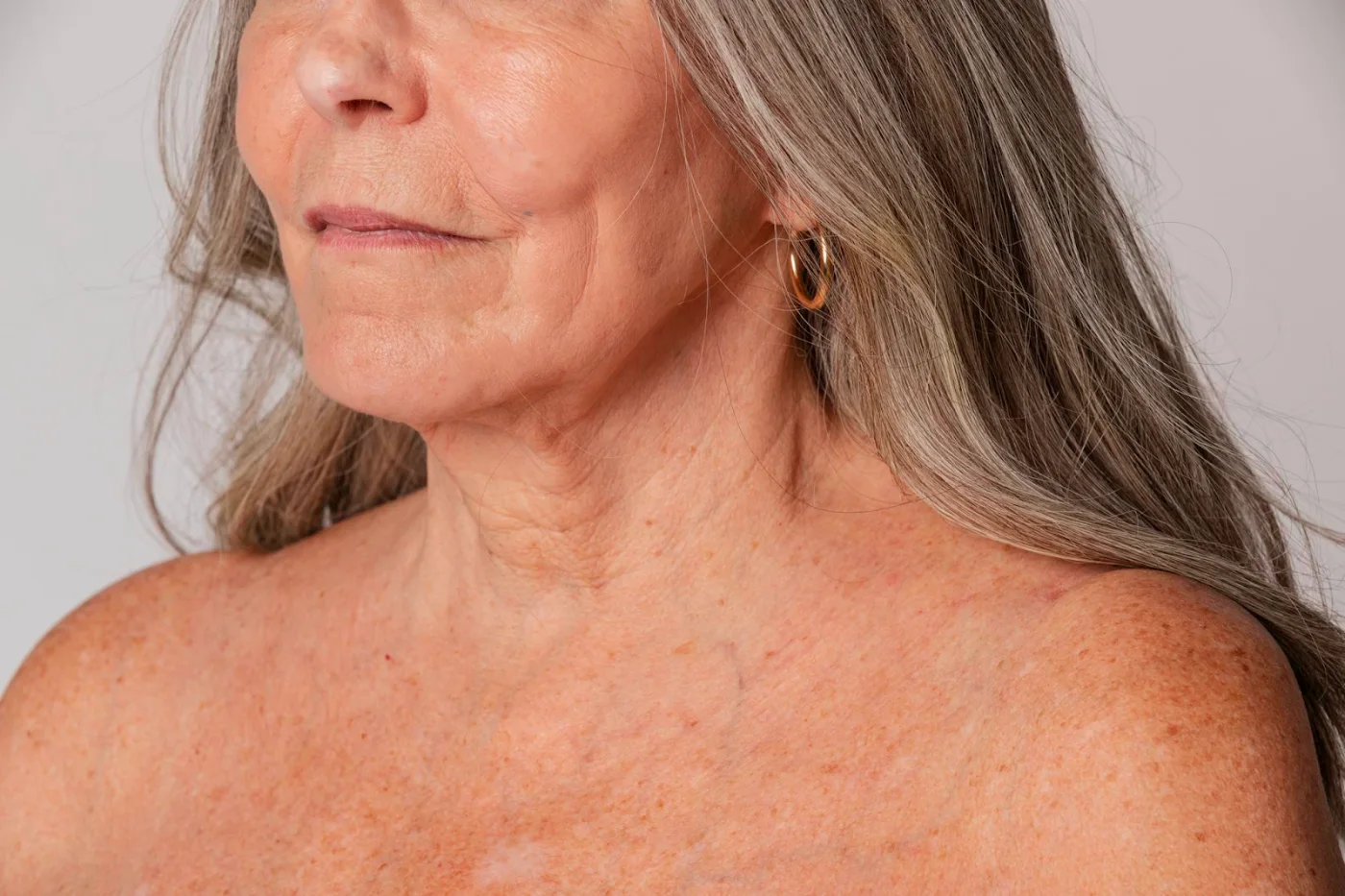
The skin changes in stages. In the 20s, the main concerns are often acne, post-acne marks, early pigmentation, pores and uneven texture. In the 30s, fine lines, dullness, early collagen decline and pregnancy-related pigmentation may become more noticeable.
In the 40s, collagen loss, volume changes, skin laxity and deeper expression lines often become more obvious. In the 50s, dryness, thinning, laxity, pigmentation and lower face heaviness tend to need more structured support.
Age is only a guide. A 35-year-old with heavy sun exposure may have more pigmentation than a 50-year-old with consistent sunscreen use. A 45-year-old with strong bone structure may need less filler than a 32-year-old with early volume loss.
This is why tweakments Singapore should not be planned by decade alone. The better approach is to combine age, skin biology, lifestyle, facial anatomy and patient goals.
The Foundation Before Any Tweakment
Before lasers or injectables, the skin barrier should be stable. Irritated skin is less predictable after procedures. Over-exfoliation, harsh actives, untreated acne and unstable pigmentation can make even good treatments behave badly.
Sunscreen is also non-negotiable. Ultraviolet exposure contributes to pigmentation, premature ageing, collagen breakdown and skin cancer risk. In Singapore, daily broad-spectrum sunscreen is one of the simplest ways to protect the results of any aesthetic treatment.
A doctor-led plan should also ask whether the patient truly needs a procedure now. Sometimes the right answer is skincare, acne control, pigment stabilisation or barrier repair before moving to lasers or injectables. This restraint is often what separates elegant tweakments from rushed treatment.
Popular Tweakments In Singapore: Thermage, HIFU, Emface, Skin Boosters, Rejuran, ECM Skin Boosters, Pico Laser, Fraxel, PDLLA Volume, PLLA And Botox
Not all tweakments work in the same layer of the skin or face. Some treatments improve hydration. Some relax muscles. Some stimulate collagen. Some tighten tissue with energy-based devices. Others resurface damaged skin or target pigmentation.
This is why treatment choice should not begin with the product name. It should begin with a diagnosis. A doctor should first decide whether the main issue is pigmentation, texture, acne scarring, collagen loss, facial movement, laxity, volume loss or overall skin quality.
Botox
Botox is one of the most widely searched tweakments in Singapore. It is used to temporarily relax selected muscles that create dynamic lines. Common treatment areas include forehead lines, frown lines and crow’s feet. Botox Cosmetic is FDA-approved for the temporary improvement of moderate to severe frown lines, crow’s feet and forehead lines in adults.
Botox is not a skin booster, filler or laser. It works on muscle activity. This makes it useful for expression lines, but less useful for pigmentation, skin laxity or volume loss.
In the 20s and 30s, Botox is often used conservatively when expression lines remain visible even after the face relaxes. In the 40s and 50s, it may be part of a more complete plan with skin boosters, collagen biostimulators, lasers or tightening devices.
The goal should not be to freeze the face. A careful Botox plan should soften excessive movement while preserving natural expression.
Skin Boosters
Skin boosters are injectable treatments designed to improve skin hydration, texture, elasticity and overall skin quality. They are different from dermal fillers because they are not mainly used to create facial shape or obvious volume.
Skin boosters may be suitable for patients who feel their skin looks dull, dry, tired or less resilient. They may also be considered when fine lines are related to poor hydration or reduced skin quality rather than muscle movement alone.
In the 30s, skin boosters are often used for early hydration and glow. In the 40s and 50s, they may support thinner, drier or more crepey skin. They can also be combined with lasers, Botox or collagen stimulators when the treatment sequence is planned carefully.
ECM ECM Skin Boosters
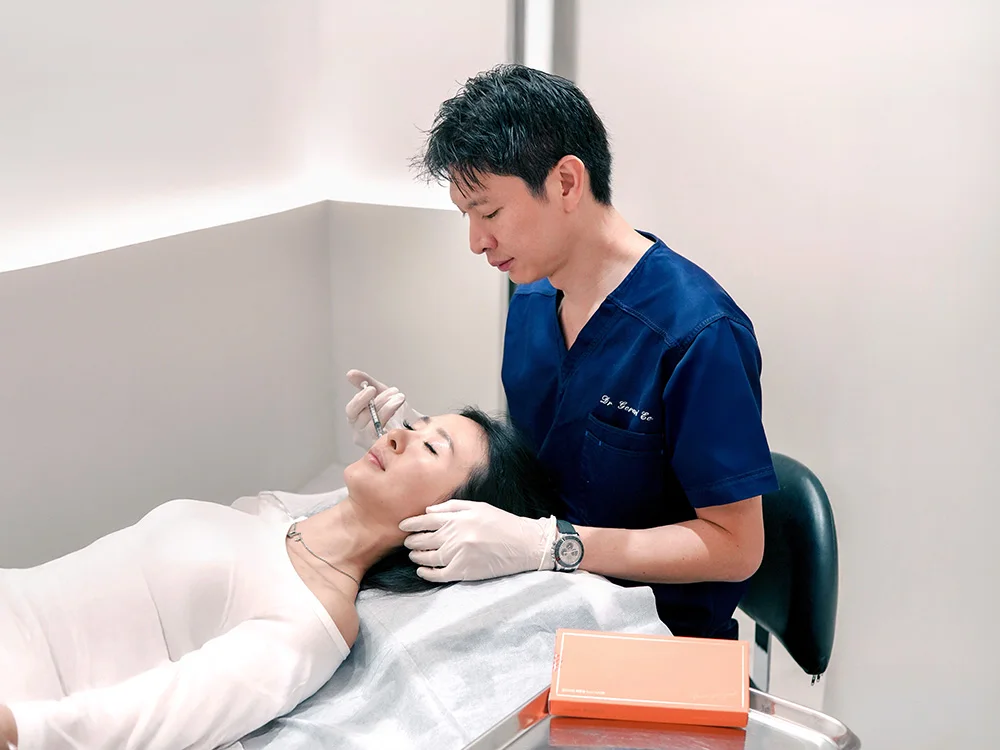
ECM booster which is the latest trend in Korea right now for ECM skin boosters. ECM stands for extracellular matrix, which refers to the supportive environment within the skin that helps maintain tissue structure and support skin cells.
The Clifford Clinic describes its ECM Skinbooster as a treatment that focuses on supporting the skin’s structural environment rather than only surface glow. The ECM Skinbooster is also described as part of a doctor-led injectable protocol for improving skin texture, radiance and resilience, with plans tailored to the patient’s skin needs and downtime tolerance.
ECM skin boosters are different from traditional hyaluronic acid skin boosters. Traditional HA skin boosters mainly focus on hydration and glow, while ECM skin boosters are positioned as supporting the deeper structural environment of the skin. The Clifford Clinic describes ECM Skinbooster as using micronised human acellular dermal matrix, or hADM, in powder form, made up of extracellular matrix components derived from human skin.
ECM skin boosters may be considered for patients with dullness, rough texture, enlarged pores, fine lines, early laxity, reduced bounce, uneven tone or skin that feels less resilient. It should not be presented as a filler, because the goal is not to change facial shape dramatically. It sits more naturally in the skin-quality category.
In a tweakment plan, ECM ECM skin boosters may be considered alongside Rejuran, skin boosters, Pico laser, Fraxel, RF microneedling or collagen biostimulators, depending on the diagnosis. As with all injectables, doctor assessment, technique, aftercare and patient suitability matter.
Rejuran
Rejuran is commonly discussed as a polynucleotide or PDRN-based skin repair injectable. It is often grouped with skin boosters because it is used for skin quality, texture, fine lines, repair and resilience.
Rejuran should not be confused with Botox or fillers. Botox relaxes muscles. Fillers restore shape or volume. Rejuran is more focused on skin quality and repair.
Rejuran may be useful in the 30s, 40s and 50s, depending on the skin condition. In younger adult patients, it may be considered only when there is a clear skin quality concern, such as acne marks, compromised texture or poor resilience.
Pico Laser
Pico laser is often used for pigmentation, uneven skin tone, post-acne marks, dullness and selected textural concerns. It delivers energy in very short pulses, which can break down pigment while limiting unnecessary heat spread when used correctly.
In Singapore, Pico laser is commonly considered because pigmentation is a frequent concern in Asian skin. Melasma, sun spots, freckles and post-inflammatory hyperpigmentation must be diagnosed properly before treatment. Different pigment conditions respond differently.
Pico laser can be useful in the 20s and 30s for post-acne marks and early pigmentation. In the 40s and 50s, it may be part of a broader plan for pigmentation, dullness and uneven skin tone.
It is not a lifting treatment, and it should not be used as a generic facial substitute. The pigment diagnosis matters.
Fraxel
Fraxel is a fractional laser treatment used for resurfacing and collagen remodelling. Fraxel’s official information explains that it treats only a fraction of tissue at a time while leaving surrounding tissue intact, which helps support healing.
Fraxel may help with acne scars, pores, rough texture, fine lines, pigmentation and sun-damaged skin, depending on the specific Fraxel system and settings.
It is especially relevant when texture is the main concern. Patients with acne scars, enlarged pores or rough skin may benefit from fractional resurfacing when suitable.
However, fractional laser treatment requires careful assessment in Asian skin because excessive inflammation can increase the risk of post-inflammatory pigmentation. The treatment plan should include proper pre-care, sun protection and aftercare.
Thermage
Thermage is a radiofrequency skin-tightening treatment. Thermage’s official information describes it as a non-invasive radiofrequency treatment that can smooth, tighten and contour skin without surgery or needles.
Thermage may be considered for mild to moderate skin laxity, softer jawline definition, loose skin around the eyes, early sagging and general skin firmness.
It does not replace a facelift, and it does not create volume. Its role is usually skin firming and collagen support.
In a tweakment plan, Thermage may be more relevant in the 40s and 50s when skin laxity becomes more visible. In selected patients, it may also be used earlier for maintenance.
HIFU stands for high-intensity focused ultrasound. It uses focused ultrasound energy to heat selected tissue layers beneath the skin. HIFU is commonly discussed for the lower face, jawline, cheeks, brow area and neck.
HIFU may suit patients with mild to moderate laxity who want a non-surgical lifting approach. Ultherapy, a branded microfocused ultrasound system, is described by its official website as an FDA-cleared non-invasive lifting device with real-time imaging.
The key difference between HIFU and Thermage is the type of energy used. HIFU uses focused ultrasound. Thermage uses radiofrequency. Both can support collagen remodelling, but they are not identical treatments.
The correct choice depends on skin thickness, laxity pattern, comfort level, downtime preference and the tissue layer being targeted.
Emface
Emface is different from traditional skin tightening devices because it combines synchronised radiofrequency with HIFES, or high-intensity facial electromagnetic stimulation. BTL describes Emface as using synchronised RF and HIFES technologies to target skin and facial muscles.
This makes Emface useful for patients who want a non-injectable approach to facial rejuvenation. It is often discussed for facial toning, lifting support, brow support and mid-face rejuvenation.
Dr Gerard Ee has also discussed Emface in relation to facial ageing and muscle support. A 2026 Tatler Asia article describes his view that facial rejuvenation may need to move beyond surface-level tightening and consider deeper structural and muscle-related ageing.
Emface does not work like Botox, fillers or skin boosters. Botox relaxes selected muscles. Fillers restore volume. Skin boosters improve skin quality. Emface works through energy and muscle stimulation.
PDLLA Volume
PDLLA Volume is a collagen-stimulating injectable that contains poly-D, L-lactic acid and sodium hyaluronate. The PDLLA product information describes these as hybrid biostimulators made with PDLLA and hyaluronic acid.
PDLLA Volume is used as a biostimulator rather than a simple filler. This means its purpose is not only immediate support, but gradual collagen stimulation over time.
It may be considered for patients with collagen loss, skin laxity, facial thinning, texture changes or early structural ageing. It may be used where gradual improvement is preferred over obvious volumisation.
PDLLA Volume is usually more relevant in the 30s, 40s and 50s, especially when the goal is skin quality and collagen support rather than a dramatic filler effect. Treatment planning should account for injection depth, dilution, facial anatomy and collagen reserve.
PLLA
PLLA is a PLLA collagen biostimulator. Galderma describes PLLA as working with the body to stimulate collagen production and rebuild the skin’s structural foundation.
PLLA is not the same as a hyaluronic acid filler. Fillers usually provide more immediate shape or volume. PLLA works more gradually by supporting collagen production.
It may be considered for facial volume loss, skin laxity, facial hollowing and collagen decline. It is often used when the goal is broader structural support and gradual rejuvenation rather than immediate contouring.
Patients in their 40s and 50s may benefit from PLLA when collagen loss and facial hollowing become more visible. It may also be suitable for selected patients in their 30s with early volume loss or poor collagen support.
The main advantage of PLLA is subtle, progressive improvement. The main limitation is that results are not instant and technique is important.
Tweakments In Your 20s
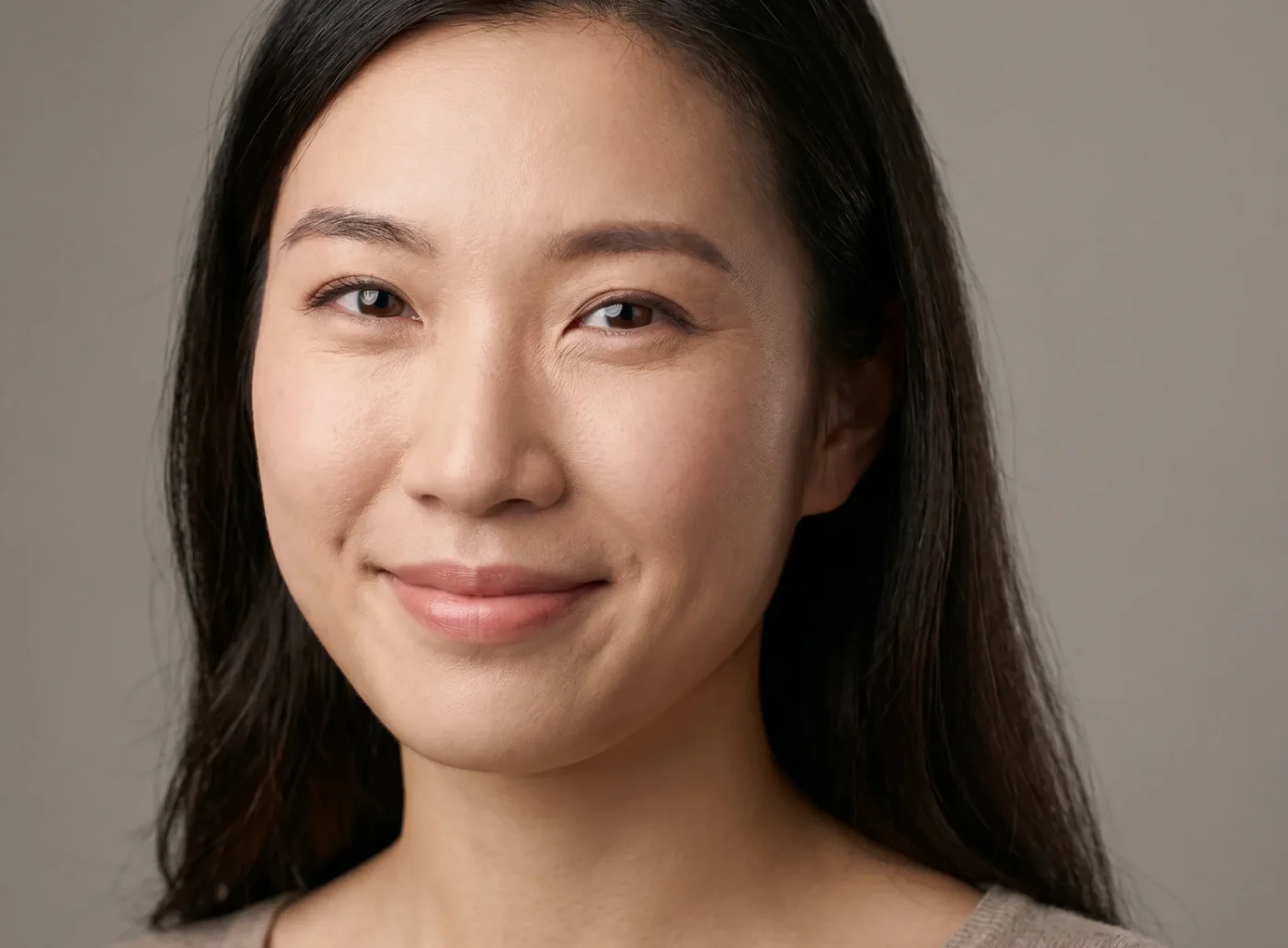
The 20s are usually about prevention, acne control and texture refinement. This is not the decade for heavy correction. Most patients benefit more from building good habits than from aggressive aesthetic procedures.
Common concerns include acne, clogged pores, post-acne marks, acne scars, dullness, early pigmentation and uneven skin tone. Hormones, stress, sleep, skincare habits and sun exposure all play a role.
A careful plan should first reduce inflammation and protect the skin from avoidable damage.
Useful tweakments in the 20s may include medical acne treatment, Pico laser for selected pigmentation, vascular laser for redness, gentle chemical peels, RF microneedling for acne scars, and low-dose Botox only when expression lines are already forming.
The goal is cleaner skin, healthier texture and prevention of deeper problems.
Botox In The 20s
Botox Singapore searches are common among younger adults, but the treatment should be used conservatively. Botulinum toxin works by relaxing selected muscles that create dynamic wrinkles, such as forehead lines, frown lines and crow’s feet.
In the 20s, the goal is usually not to freeze the face. It is to soften excessive movement patterns when lines remain visible even after the face relaxes.
The dose should be light, precise and tailored to expression.
Pico Laser, Peels And Fraxel In The 20s
Lasers in the 20s should be diagnosis-driven. Pico laser can be useful for selected pigmentation, post-acne dark marks, dullness, uneven tone and certain acne scar textures when a fractional handpiece is used.
Fraxel or other fractional laser resurfacing treatments may be considered when acne scars, rough texture or enlarged pores are the main concerns. This is usually not a first-line treatment for active acne. Active inflammation should be controlled first.
Chemical peels may help with clogged pores, dullness and mild pigmentation when used correctly. However, aggressive peeling can worsen irritation and pigmentation in reactive skin.
A gentle plan done consistently is often better than an intense treatment done too early.
Tweakments In Your 30s
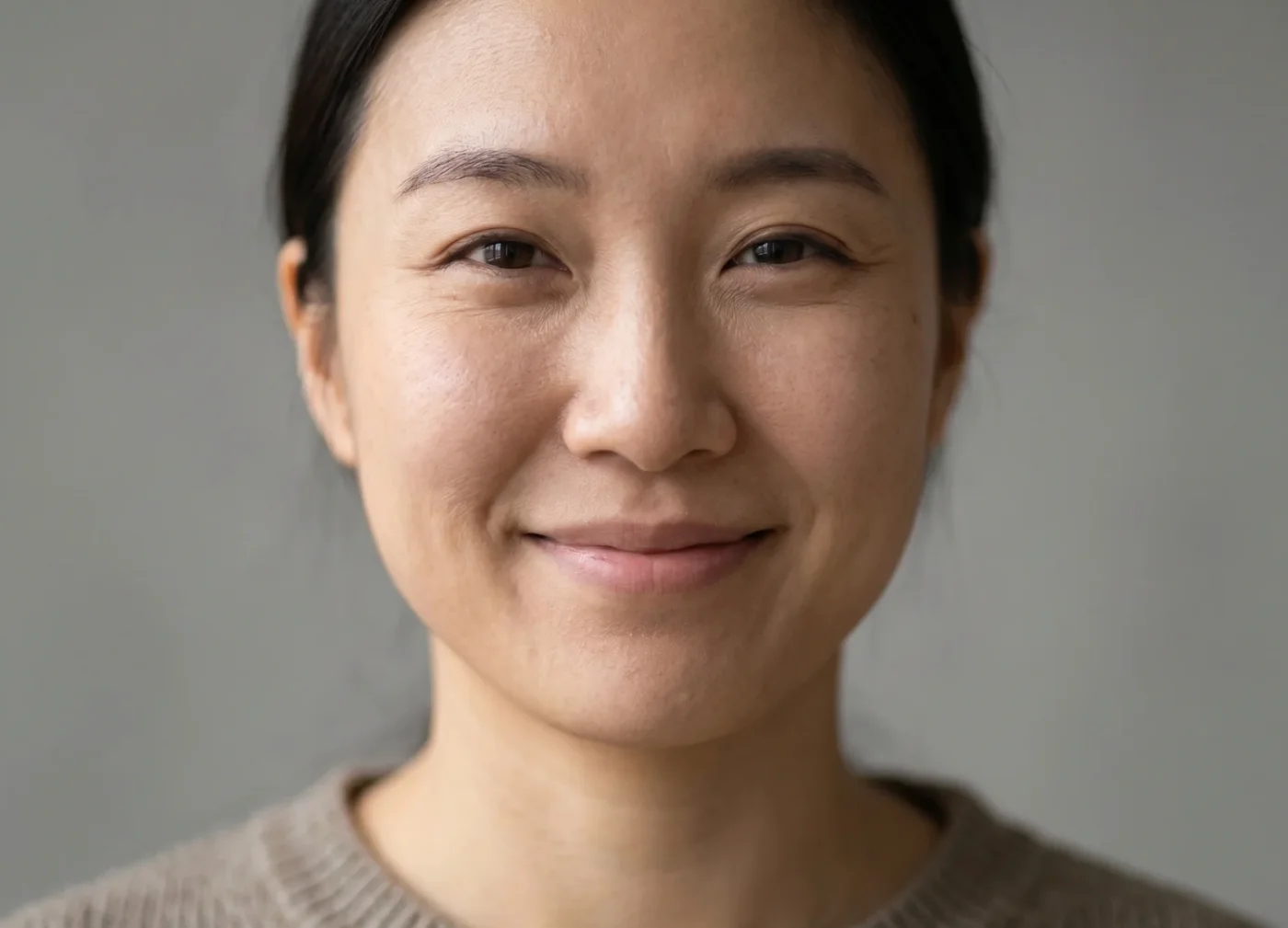
The 30s are often when early ageing becomes visible. Fine lines may appear around the forehead, eyes and mouth. Pigmentation may deepen, pores may look larger and the skin may recover more slowly after late nights, stress or travel.
This is the decade where combination planning becomes more useful. A single treatment may help one concern, but it may not address skin tone, hydration, collagen support and facial movement together.
Useful tweakments in the 30s may include Botox for expression lines, Pico laser for pigment, fractional laser for texture, skin boosters for hydration, Rejuran for skin repair, ECM ECM skin boosters for structural skin quality support, PDLLA Volume for collagen support and RF microneedling for pores or acne scars.
These treatments should be spaced sensibly so the skin has time to respond.
Skin Boosters, Rejuran and ECM Skin Boosters In The 30s
Skin boosters Singapore is a strong supporting keyword because hydration is a common concern in this decade. Skin boosters are injectable treatments that improve skin hydration and texture from within. They are not the same as facials or moisturisers.
Rejuran may be considered when repair, texture and skin resilience are priorities. It may suit patients whose skin looks tired, thin, dull or less able to recover from stress, inflammation or previous breakouts.
ECM ECM skin boosters may be considered when the goal is to support the skin’s structural environment, not just hydration. This makes the keyword useful for patients researching newer skin-quality injectables beyond traditional HA skin boosters.
Skin boosters, Rejuran and ECM skin boosters can be combined with lasers, RF microneedling, Botox or other injectables when planned properly.
The key is sequencing. The skin should not be overloaded with too many procedures at once.
PDLLA And Emface In The 30s
PDLLA Volume may be considered in selected patients in their 30s who are starting to show early collagen loss, facial thinning or changes in skin firmness.
Emface may appeal to patients in their 30s who want facial rejuvenation without injections. It can be considered when the concern is early facial heaviness, reduced tone or mild lifting support.
Neither treatment should be presented as a universal solution. The right choice depends on anatomy, skin quality, laxity pattern and patient goals.
Tweakments In Your 40s

The 40s are often about structure, collagen and definition. The face may begin to look heavier at the lower cheeks and jawline. Fine lines can become deeper, and pigmentation may become more stubborn.
This is the decade where patients often notice that skincare alone cannot fully address laxity, volume change or deeper wrinkles.
That does not mean they need surgery. It means tweakments should be chosen with more attention to anatomy.
Useful tweakments in the 40s may include Botox for dynamic lines, fillers for selected volume support, PLLA or PDLLA Volume for collagen stimulation, skin boosters, Rejuran or ECM skin boosters for skin quality, RF microneedling for firmness and texture, HIFU for lifting, Thermage for tightening, Emface for non-injectable toning support and Fraxel for resurfacing.
Botox And Fillers In The 40s
In the 40s, expression lines may be deeper and more visible at rest. Botox can still help when muscle movement is a major contributor.
However, not every line should be treated with Botox alone. If the skin is thin, dehydrated or sun-damaged, Botox may need to be combined with skin boosters, Rejuran, ECM skin boosters, lasers or collagen stimulators.
Fillers Singapore is one of the key treatment searches in this age group. Dermal fillers can restore facial balance when volume loss affects the temples, cheeks, tear troughs, folds, chin or lips. The nose is a separate decision again, because there the choice is between nose filler and threads, which I have compared in nose threads vs nose fillers.
The aim should be support, not overfilling.
PLLA, PDLLA Volume and ECM Skin Boosters In The 40s
Collagen biostimulators are increasingly important for patients in their 40s. They do not work like simple volumising fillers. They support gradual collagen remodelling over weeks to months.
PLLA may suit patients who need broader collagen support, facial hollowing improvement and gradual structural rejuvenation.
PDLLA Volume may be considered when the goal is collagen stimulation with a hybrid injectable approach involving PDLLA and hyaluronic acid.
ECM ECM skin boosters may be considered when skin quality, texture, pores, early laxity and skin resilience are the priorities. It can be positioned as part of the skin-quality category rather than the volumising filler category.
Thermage, HIFU and Emface In The 40s
Thermage and HIFU are often considered when laxity becomes more noticeable but the patient is not ready for surgery.
Thermage uses radiofrequency energy and is often chosen for skin tightening, firmness and collagen support.
HIFU uses focused ultrasound energy and may target deeper tissue layers for lifting and tightening support.
Emface may be useful when facial tone, mild lifting support and non-injectable rejuvenation are priorities.
Some patients may be better suited to Thermage. Others may be better suited to HIFU, Emface or a layered plan. The decision depends on skin thickness, laxity pattern, facial volume and treatment goals.
Tweakments In Your 50s
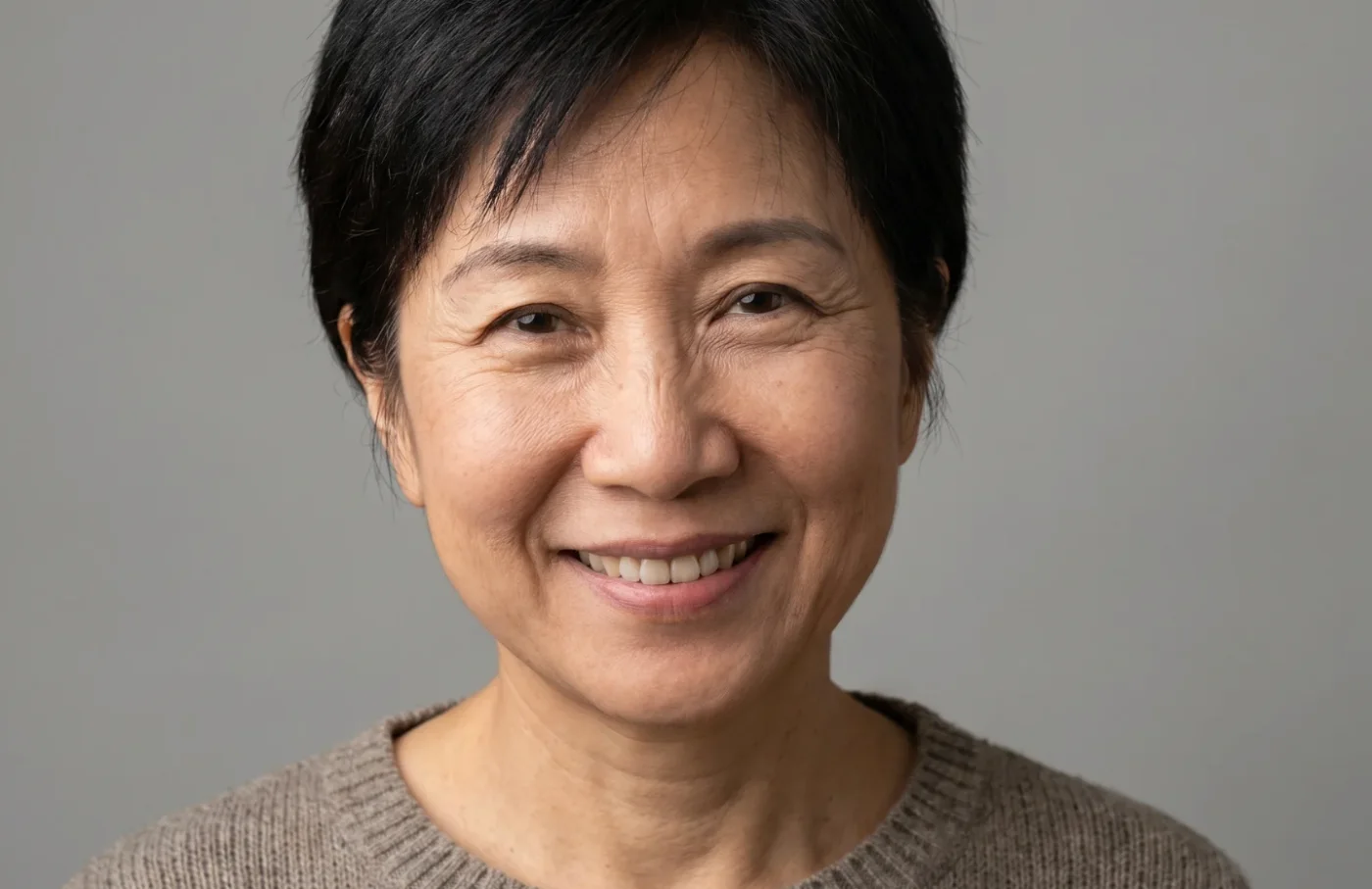
The 50s often require the most personalised planning. Skin may become drier, thinner and more reactive. Pigmentation may be more persistent, and laxity around the cheeks, jawline, neck and eyelids may become more visible.
This is not the decade for random treatment shopping.
A strong plan should decide what needs structural support, what needs skin quality improvement and what should be left alone. It should also identify whether the skin is healthy enough for energy-based treatment.
Useful tweakments in the 50s may include skin boosters, Rejuran, ECM skin boosters, collagen biostimulators, fillers, Botox, HIFU, Thermage, Emface, RF microneedling, Fraxel, Pico laser and medical skincare.
The priority is often a layered result that looks refreshed rather than altered.
Skin Tightening In The 50s
Skin tightening Singapore is a key search term for patients who notice sagging but are not ready for surgery.
HIFU, Thermage, RF microneedling and Emface are often discussed in this category. Each technology works differently, so the choice should depend on the tissue problem.
HIFU focuses ultrasound energy at depth. Thermage uses radiofrequency heat to support collagen-related tightening. RF microneedling delivers heat through needles into the dermis and can help texture, pores, fine lines and scars. Emface combines RF with facial muscle stimulation.
Skin tightening results are gradual. They are also limited by skin thickness, laxity severity, facial volume and collagen reserve.
A realistic plan may combine tightening devices with injectables and skin quality treatments for a more complete result.
Skin Boosters, Rejuran And ECM Skin Boosters In The 50s
Skin boosters, Rejuran and ECM skin boosters may be useful when the skin feels dry, crepey, thin or less resilient.
They do not lift the face like surgery, and they do not replace fillers when structural volume is needed. Their role is skin quality.
In the 50s, these treatments may be combined with Botox, PLLA, PDLLA Volume, Thermage, HIFU, Emface, Pico laser or Fraxel depending on the patient’s concerns.
The best results often come from improving skin health before doing more aggressive procedures.
Pico Laser And Fraxel In The 50s
Pico laser may help with selected pigmentation and uneven tone. Fraxel may help with resurfacing, texture, fine lines, pores and sun damage.
These treatments require careful planning in the 50s because the skin may be thinner or slower to heal.
Patients with melasma, sensitive skin or a history of post-inflammatory pigmentation should be assessed carefully before laser treatment.
A conservative laser plan is often safer than an aggressive one.
Laser Skin Rejuvenation By Age
Laser skin rejuvenation Singapore remains one of the strongest keyword themes because lasers can treat many visible skin concerns. These include pigmentation, dullness, pores, scars, redness and texture depending on the laser type.
Pico laser is often chosen for pigmentation and selected texture concerns. Fraxel and other fractional resurfacing lasers are stronger options for texture, acne scars, pores and wrinkles. Vascular lasers may help reduce redness and visible vessels when the target is vascular rather than pigment.
Laser treatment should not be treated like a facial menu. The doctor should diagnose the problem first, then choose wavelength, energy, pulse duration, interval and aftercare.
This is especially important for Asian skin, where pigment risk can be higher after excessive heat or inflammation.
Botox, Fillers, Skin Boosters, ECM Skin Boosters And Biostimulators Work Differently
Many patients confuse Botox, fillers, skin boosters, ECM skin boosters and collagen biostimulators because they may all involve injectables. They are very different.
- Botox relaxes muscle movement.
- Fillers restore shape and volume.
- Traditional skin boosters improve hydration and skin quality.
- Rejuran supports skin repair and resilience.
- ECM ECM skin boosters support the skin’s extracellular matrix environment and are positioned as structural skin-quality boosters.
- PLLA and PDLLA Volume stimulate collagen gradually.
This difference matters. Forehead lines caused by repeated muscle movement usually need botulinum toxin, not filler. Flat cheeks or temples may need filler or collagen support. Dry crepey skin may need skin boosters, Rejuran, ECM skin boosters or regenerative injectables.
The most natural results often come from choosing less treatment but choosing it accurately.
A small dose in the right layer can look better than a large dose in the wrong area.
Thermage, HIFU and Emface: What Is The Difference?
Thermage, HIFU and Emface are often grouped under skin tightening, but they are not the same.
Thermage uses radiofrequency energy. It is often considered for skin firmness, tightening and collagen support.
HIFU uses focused ultrasound energy. It is often considered for lifting and tightening in deeper tissue layers.
Emface combines radiofrequency with facial muscle stimulation. It is often considered for non-injectable facial toning and lifting support.
The best choice depends on the patient’s anatomy. A patient with thin skin, volume loss and lower face heaviness may need a different plan from a patient with thicker skin and mild laxity.
These devices should not be chosen only because they are trending. They should be chosen because they match the tissue problem.
Dr Gerard Ee’s Layered Approach To Tweakments
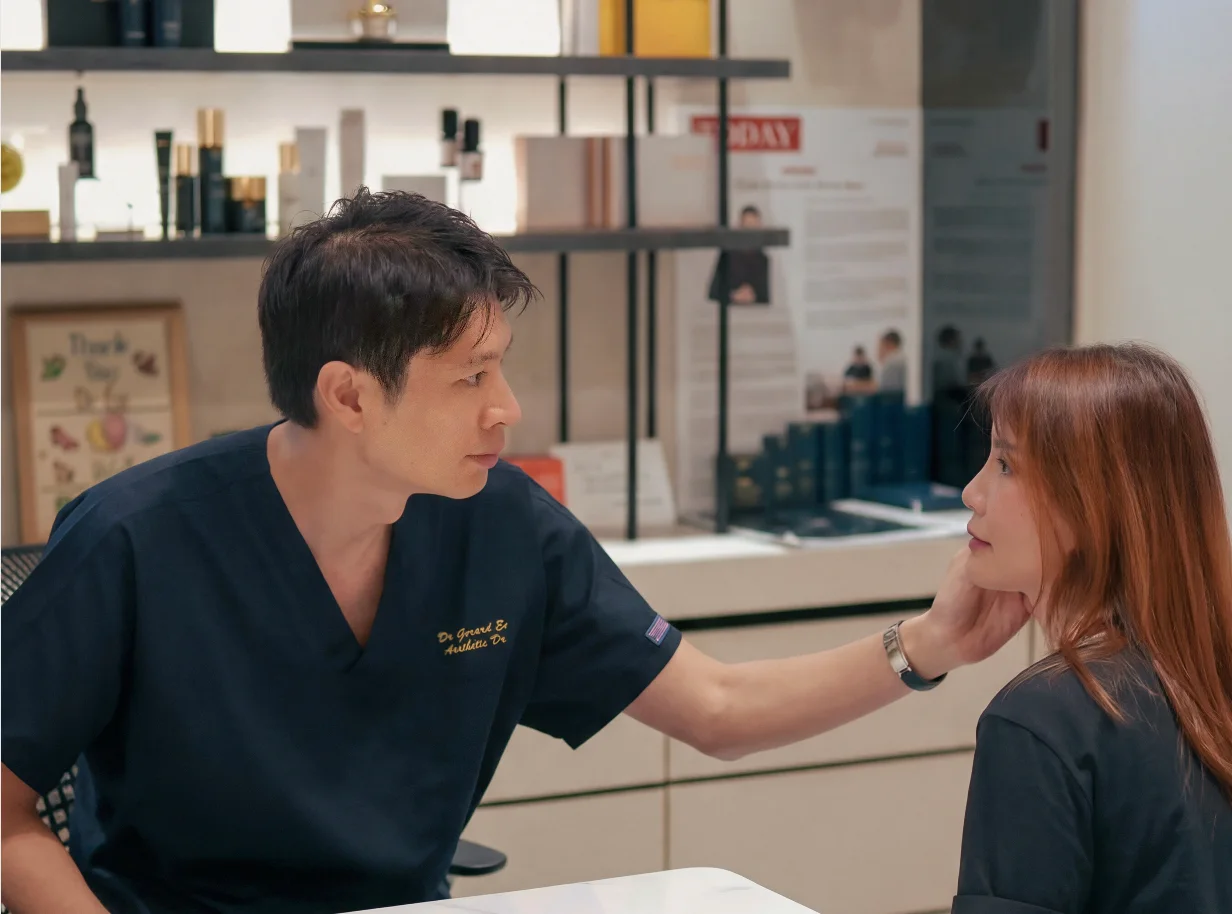
A useful way to understand tweakments is to think in layers. The face is not only skin. It includes muscle, fat, ligaments, bone support, dermis and the surface layer of the skin.
This layered way of thinking is reflected in Dr Gerard Ee’s discussion of Emface and facial ageing, where the focus moves beyond surface tightening alone and considers deeper muscle support as part of facial rejuvenation.
A patient with pigmentation may need Pico laser and pigment control.
A patient with rough texture or acne scarring may need Fraxel, RF microneedling or fractional co2 resurfacing.
A patient with dry, thin or tired-looking skin may need skin boosters, Rejuran or ECM skin boosters.
A patient with early laxity may need Thermage, HIFU or Emface.
A patient with collagen loss or facial hollowing may need PLLA, PDLLA Volume or carefully selected fillers.
This is why a doctor-led consultation matters. The treatment should match the problem, not the trend.
A Practical Tweakment Plan By Decade
In the 20s, focus on acne control, sunscreen, barrier health, pigment prevention and gentle texture improvement. The best tweakments are those that prevent future problems rather than aggressively changing the face.
In the 30s, add early collagen and skin quality support. Botox, Pico laser, skin boosters, Rejuran, ECM skin boosters, PDLLA Volume, Fraxel and RF microneedling may be considered based on skin condition.
In the 40s, look at structure, movement and firmness. Fillers, PLLA, PDLLA Volume, Botox, Thermage, HIFU, Emface, ECM skin boosters and Fraxel may become more relevant, but restraint is still essential.
In the 50s, think in layers. Skin quality, collagen support, pigment control, tightening and volume restoration may all matter, but they should be sequenced carefully for safety and natural-looking results.
Quick Comparison Of Popular Tweakments In Singapore
| Treatment | Main role | Common concerns | Often considered in |
|---|---|---|---|
| Botox | Muscle relaxation | Forehead lines, frown lines, crow’s feet, masseter bulk | 20s to 50s |
| Skin boosters | Hydration and skin quality | Dryness, dullness, fine lines, texture | 30s to 50s |
| Rejuran | Skin repair and resilience | Thin skin, texture, fine lines, under-eye skin quality | 30s to 50s |
| ECM ECM skin boosters | ECM and structural skin-quality support | Dullness, pores, texture, fine lines, early laxity, resilience | 30s to 50s |
| Pico laser | Pigment and tone | Pigmentation, post-acne marks, dullness | 20s to 50s |
| Fraxel | Fractional resurfacing | Acne scars, pores, fine lines, rough texture | 20s to 50s |
| Thermage | Radiofrequency tightening | Mild laxity, firmness, jawline support | 40s to 50s |
| HIFU | Focused ultrasound lifting | Mild lifting, lower face and neck laxity | 40s to 50s |
| Emface | RF plus facial muscle stimulation | Non-injectable facial toning and lifting support | 30s to 50s |
| PDLLA Volume | PDLLA and HA collagen stimulation | Collagen loss, laxity, subtle support | 30s to 50s |
| PLLA | PLLA collagen biostimulation | Volume loss, hollowing, collagen decline | 40s to 50s |
How To Avoid Overdone Tweakments
Overdone results usually happen when treatments chase trends instead of diagnosis.
Too much filler can distort facial proportions. Too much Botox can reduce expression. Too much laser can irritate the skin and worsen pigmentation. Too many collagen stimulators or energy-based treatments done too close together can also make the plan harder to control.
A good aesthetic doctor should be willing to say no.
Not every concern needs immediate correction. Some patients need skincare repair, acne control, pigment stabilisation or time between procedures.
The best tweakments should make the patient look healthier, fresher and still recognisably like themselves.
Choosing An Aesthetic Clinic In Singapore
The right clinic should not sell one treatment for everyone. It should begin with a consultation, diagnosis and explanation of why each option is being recommended.
The doctor should also discuss downtime, risk, aftercare and what the treatment cannot do.
Look for a clinic that understands Asian skin, pigmentation risk, facial anatomy and long-term maintenance. Aesthetic work should look good today, but it should also age well.
Dr Gerard Ee’s background in surgery, dermatology training and minimally invasive aesthetic procedures gives a useful frame for this kind of planning. His profile notes accreditation in aesthetic procedures such as Botox, fillers, lasers and light therapies, as well as ongoing involvement in medical education and conferences.
A strong consultation should answer questions such as:
- What is the main concern?
- Is it caused by pigment, texture, laxity, volume loss or muscle movement?
- Which treatment is most suitable?
- Which treatment should be avoided?
- How much downtime is expected?
- How many sessions may be needed?
- What are the risks for this skin type?
- What maintenance is realistic?
This kind of planning helps patients avoid unnecessary treatment and choose tweakments more safely.
What the published evidence on Botox, PLLA and PDLLA skin booster shows
Only papers whose article title itself contains the requested brand name are included below. Product names mentioned only in the abstract, keywords or methods were excluded.
For crow’s feet, a randomised split-face trial in 25 women found that Botox combined with a hyaluronic acid skin booster (Skinvive) gave lower wrinkle severity at three and six months and higher satisfaction than Botox alone. [1]
Eyelid ptosis after Botox is the complication patients fear most; a published case of full eyelid ptosis after forehead and glabella treatment resolved within two weeks, which is why placement above the brow and dose matter in the 20s and 30s when the muscle is strong. [2]
For the 40s and 50s, PLLA has a randomised controlled trial showing a 71.6% responder rate for cheek wrinkles at 12 months against 26.1% untreated, and PDLLA skin booster has a 40-patient study showing sustained skin-quality improvement at 24 weeks. [3] [4]

Dr Gerard Ee, Aesthetic Doctor in Singapore
Dr Gerard Ee is an aesthetic doctor in Singapore and the Medical Director of his practice at 50 Raffles Place. He graduated from St George’s, University of London, trained in surgery at Singapore General Hospital and the National University Hospital, and holds the MRCS (Edinburgh) and a postgraduate diploma in practical dermatology from Cardiff University.
He has practised aesthetic medicine since 2012, is the author of sixteen peer-reviewed papers, and writes and medically reviews every article on this site. Read more about Dr Gerard Ee.

Book a consultation with Dr Gerard Ee at The Clifford Clinic
Dr Gerard Ee consults at The Clifford Clinic, 50 Raffles Place, Singapore. Consultations are by appointment. Message the clinic on WhatsApp, or call 6532 2048.
Frequently Asked Questions
What are the best tweakments in Singapore?
The best tweakments in Singapore depend on the concern. Botox helps expression lines, fillers support volume, Pico laser helps selected pigmentation, Fraxel helps resurfacing and texture, Thermage and HIFU help selected laxity concerns, Emface supports non-injectable facial toning, and skin boosters, Rejuran or ECM skin boosters improve skin quality.
What is an ECM skin booster?
An ECM skin booster is a booster built around extracellular matrix. ECM stands for extracellular matrix, which is the supportive environment in the skin that helps maintain tissue structure.
Unlike traditional HA skin boosters that mainly focus on hydration, ECM ECM skin boosters are positioned as supporting the skin’s structural environment, texture, radiance and resilience.
Is ECM booster the same as Rejuran?
No. ECM ECM skin boosters and Rejuran are not the same. Rejuran is usually discussed as a polynucleotide or PDRN-based skin repair injectable. ECM ECM skin boosters are positioned around extracellular matrix support.
Both may sit within the broader skin-quality category, but they work differently and should be selected based on skin diagnosis.
What tweakments should I consider in my 20s?
The 20s should focus on acne control, sunscreen, pigmentation prevention, pores and texture. Gentle peels, Pico laser, medical acne care, RF microneedling and selected fractional laser treatments may be considered when suitable.
Botox should be conservative and only considered when expression lines are already becoming visible.
What tweakments should I consider in my 30s?
The 30s often benefit from Botox for early lines, Pico laser for pigmentation, skin boosters for hydration, Rejuran for repair, ECM skin boosters for structural skin quality support, and Fraxel or RF microneedling for pores or texture.
PDLLA Volume or other collagen-supporting injectables may be considered for selected patients with early collagen loss.
What tweakments should I consider in my 40s?
The 40s often need more attention to collagen, structure and laxity. Botox, fillers, PLLA, PDLLA Volume, Thermage, HIFU, Emface, RF microneedling, ECM skin boosters and Fraxel may be useful when selected properly.
The treatment plan should focus on anatomy rather than trends.
What tweakments should I consider in my 50s?
The 50s usually need a layered plan. Skin boosters, Rejuran, ECM skin boosters, collagen biostimulators, fillers, Botox, lasers and skin tightening devices may be combined to improve skin quality, structure and firmness.
The goal should be refreshed and believable, not overcorrected.
Is Thermage better than HIFU?
Thermage and HIFU work differently. Thermage uses radiofrequency energy, while HIFU uses focused ultrasound energy. Thermage is often considered for skin tightening and firmness. HIFU is often considered for lifting and tightening support at selected deeper layers.
One is not automatically better than the other. The better option depends on skin thickness, laxity, facial structure and treatment goals.
Is Emface the same as HIFU?
No. Emface combines radiofrequency with facial muscle stimulation. HIFU uses focused ultrasound energy.
Emface is often discussed for non-injectable facial toning and lifting support, while HIFU is usually discussed for ultrasound-based tightening and lifting.
Is Rejuran the same as a skin booster?
Rejuran is often grouped with skin boosters because it is used to improve skin quality. However, it is commonly described as a polynucleotide or PDRN-based skin repair injectable, while many skin boosters focus mainly on hydration.
Both may improve skin quality, but they are not identical.
Is Fraxel better than Pico laser?
Fraxel and Pico laser are used for different concerns. Pico laser is often chosen for pigmentation, post-acne marks and uneven tone. Fraxel is usually more relevant for resurfacing, acne scars, pores, rough texture and fine lines.
Some patients may benefit from both, but the sequence should be planned carefully.
Is PLLA the same as PDLLA Volume?
No. PLLA is a PLLA collagen biostimulator. PDLLA Volume is a PDLLA and hyaluronic acid hybrid biostimulator.
Both are used for collagen support, but they are different products and should be selected based on anatomy, goals, technique and doctor assessment.
Are tweakments safe?
Tweakments can be safe when performed by trained doctors after proper assessment. Risks still exist, especially with injectables, lasers and energy devices, so treatment choice and technique matter.
Patients should ask about suitability, downtime, side effects, aftercare and alternatives before proceeding.
How often should tweakments be done?
Treatment frequency depends on the procedure. Botox may need maintenance every few months, while lasers, skin boosters, ECM skin boosters and collagen biostimulators may be planned in courses or spaced over months.
Thermage, HIFU and Emface maintenance schedules vary depending on the device, treatment plan and patient response.
A good maintenance plan should be realistic and not excessive.
Conclusion
Tweakments Singapore should not be about doing more. It should be about doing what makes sense for the skin, face and decade of life.
In the 20s, the focus is prevention, acne control, sunscreen and texture refinement.
In the 30s, early collagen support, hydration, pigmentation control and skin quality become more important.
In the 40s, structure, movement, laxity and firmness require more attention.
In the 50s, skin health, tightening, pigmentation, volume and collagen support often need to be planned together.
Treatments such as Botox, skin boosters, Rejuran, ECM ECM skin boosters, Pico laser, Fraxel, Thermage, HIFU, Emface, PDLLA Volume and PLLA can all play a role, but only when selected for the right concern.
With an expert-led approach, such as the doctor-led planning associated with Dr Gerard Ee and The Clifford Clinic, tweakments can be understood less as isolated procedures and more as a layered, long-term skin and facial rejuvenation strategy.
The best tweakments are the ones that still let patients look like themselves. They should make the skin healthier, the face fresher and the result believable.
References
Sources cited on this page
- Neves MLBB, Thome C, da Silva Junior SV, Machado T, Sánchez-Ayala A, Câmara-Souza MB, et al. Efficacy and Durability of the Association of Botox and Skinvive in the Treatment of Moderate/Severe Wrinkles in the Periorbital Region: A Randomized, Controlled, Double-Blind, Split-Face Clinical Study. J Cosmet Dermatol. 2025;24(8):e70403. doi:10.1111/jocd.70403. PMID 40814769.
- Musharbash IJ, Chakra RJ. Treatment of Full Eyelid Ptosis Following Botox Injection: A Case Report. Cureus. 2024;16(3):e55970. doi:10.7759/cureus.55970. PMID 38476507.
- Fabi S, Hamilton T, LaTowsky B, Kazin R, Marcus K, Mayoral F, et al. Effectiveness and Safety of Sculptra Poly-L-Lactic Acid Injectable Implant in the Correction of Cheek Wrinkles. J Drugs Dermatol. 2024;23(1):1297-1305. doi:10.36849/JDD.7729. PMID 38206151.
- Seo SB, Wan J, Yoon SE, Wong IKJ, Lee KWA, Chua D, et al. The Effective Delivery of Poly(D,L-lactic Acid) (Juvelook) via Needle-Free Injection (CUREJET) for Facial Rejuvenation. Aesthetic Plast Surg. 2026;50(9):3382-3388. doi:10.1007/s00266-025-05434-2. PMID 41389157.
This page is written from published research and from clinical experience in Singapore since 2012. It is for general education, not medical advice. Whether a treatment suits you, what it may achieve and what it may risk can only be established at a consultation. Dr Gerard Ee is the Medical Director of The Clifford Clinic, a private clinic in Singapore, and treatments discussed on this site are provided commercially.